Best Paint for Bathroom Walls and Ceilings: UK Buyers' Guide
Bathroom paint has one job that ordinary emulsion cannot do: survive steam, splashes and the damp that hangs in the air every time someone showers. Use a standard matt on bathroom walls and you will usually see the first black mould spots within a winter or two, especially around the shower and near the ceiling. The right paint is formulated to shrug all of that off, and choosing it well is far cheaper than repainting every year.
This guide covers which bathroom paints hold up in UK homes, the correct finish for walls, ceilings and woodwork, and how to apply it so it actually lasts.
Why ordinary emulsion fails in a bathroom
Standard matt emulsion has no biocides to resist mould, no water-repellent binder and no wipeable surface. In a room that gets showered, bathed and steamed up several times a day, that combination spots with mould and streaks quickly. Bathroom-specific paint solves three problems at once: it adds anti-fungal protection, a moisture-resistant film, and a surface tough enough to wipe clean without rubbing the colour off.
If you are weighing a bathroom refresh against a full refit, our interior design cost per room guide puts paint in context. Repainting is one of the highest-impact, lowest-cost jobs you can do.
The best bathroom paints in the UK
These are the products decorators reach for, all widely available in the UK:
- Dulux Easycare Bathroom Soft Sheen is the most widely stocked option. It contains anti-fungal additives and Dulux backs its mould resistance with a multi-year guarantee when it is applied correctly to a prepared surface with two coats. The soft sheen finish wipes down easily. Check the current guarantee terms on the Dulux product page.
- Crown Clean Extreme Kitchen & Bathroom is the one many professional decorators prefer for family bathrooms. It carries silver-ion anti-microbial protection and an extremely high scrub rating, so it stands up to steam and repeated cleaning without fading or streaking.
- Johnstone’s Kitchen & Bathroom is a solid trade-quality alternative that is moisture and steam resistant, often at a friendlier price point.
- Farrow & Ball Modern Emulsion is the choice if you want a designer colour: it is moisture-resistant and wipeable, unlike the brand’s chalky Estate Emulsion, which is not suitable for bathrooms.
Whichever you pick, buy the “kitchen and bathroom” version of the range. The standard emulsion in the same colour will not have the biocide or the wipeable film.
The right finish for each surface
Sheen matters as much as the formula, because shinier finishes shed water better but show every imperfection in the wall:
- Walls: soft sheen or satin. This is the sweet spot: enough sheen to repel moisture and wipe clean, without the mirror-like glare of gloss. Use satin in and around the shower recess where water hits directly.
- Ceiling: a scrubbable, moisture-resistant matt. Never use gloss on a ceiling, as it reflects every light fitting and highlights every ripple in the plaster. A dedicated bathroom matt resists the mould that loves to form on the coolest surface in the room.
- Woodwork, panelling and vanity units: eggshell. It is hard-wearing, wipeable and forgiving on skirtings, bathroom wall panelling and cabinet doors.
How to apply it so it lasts
Bathroom paint only performs if the surface underneath is sound:
- Kill existing mould first. Treat any black spots with a proper fungicidal wash and let it dry. Painting over live mould traps it, and it will bleed back through.
- Prepare and prime. Fill, sand and prime bare or patched areas so the paint bonds evenly.
- Two coats, always. Manufacturer guarantees almost always depend on a full two-coat application. One thin coat voids the protection and looks patchy.
- Ventilate while it cures. Run the extractor and open a window so the film dries properly rather than sitting in humid air.
- Give it time before first use. Let the paint cure fully before the room gets its first hot shower, so the moisture-resistant film has set.
Good ventilation is the quiet partner to good paint. Even the best bathroom paint struggles in a room with no working extractor fan, so fixing airflow protects your work.
Frequently asked questions
What is the best paint for a bathroom in the UK? For most homes, Dulux Easycare Bathroom Soft Sheen or Crown Clean Extreme Kitchen & Bathroom are the strongest all-round choices. Both add anti-fungal protection and a wipeable, steam-resistant finish that ordinary emulsion lacks.
Can I use normal emulsion in a bathroom? It is not advisable. Standard matt emulsion has no biocide and no water-resistant film, so it tends to spot with mould and streak within a winter or two. Always use a dedicated kitchen and bathroom paint.
What finish should bathroom walls be? Soft sheen or satin. It repels moisture and wipes clean while avoiding the harsh glare of gloss. Use satin directly around the shower, and a scrubbable moisture-resistant matt on the ceiling.
How do I stop mould coming back after painting? Treat existing mould with a fungicidal wash before you paint, use an anti-fungal bathroom paint, apply two full coats, and above all improve ventilation with a working extractor fan. Paint alone cannot fix a room with no airflow.
How many coats of bathroom paint do I need? Two. Manufacturer mould and durability guarantees almost always require a full two-coat application on a prepared surface. A single coat looks patchy and can void the protection.
The bottom line
The best bathroom paint is the “kitchen and bathroom” version of a trusted range, applied in soft sheen or satin on the walls, a scrubbable moisture-resistant matt on the ceiling and eggshell on the woodwork. Kill any mould first, apply two coats, and pair it with proper ventilation. Do that and a bathroom repaint will look fresh for years rather than blooming with mould by the following winter.
The Folio
Want more like this in your inbox?
One considered idea for your London home, every Thursday.
SubscribeMore from KDS London
All guides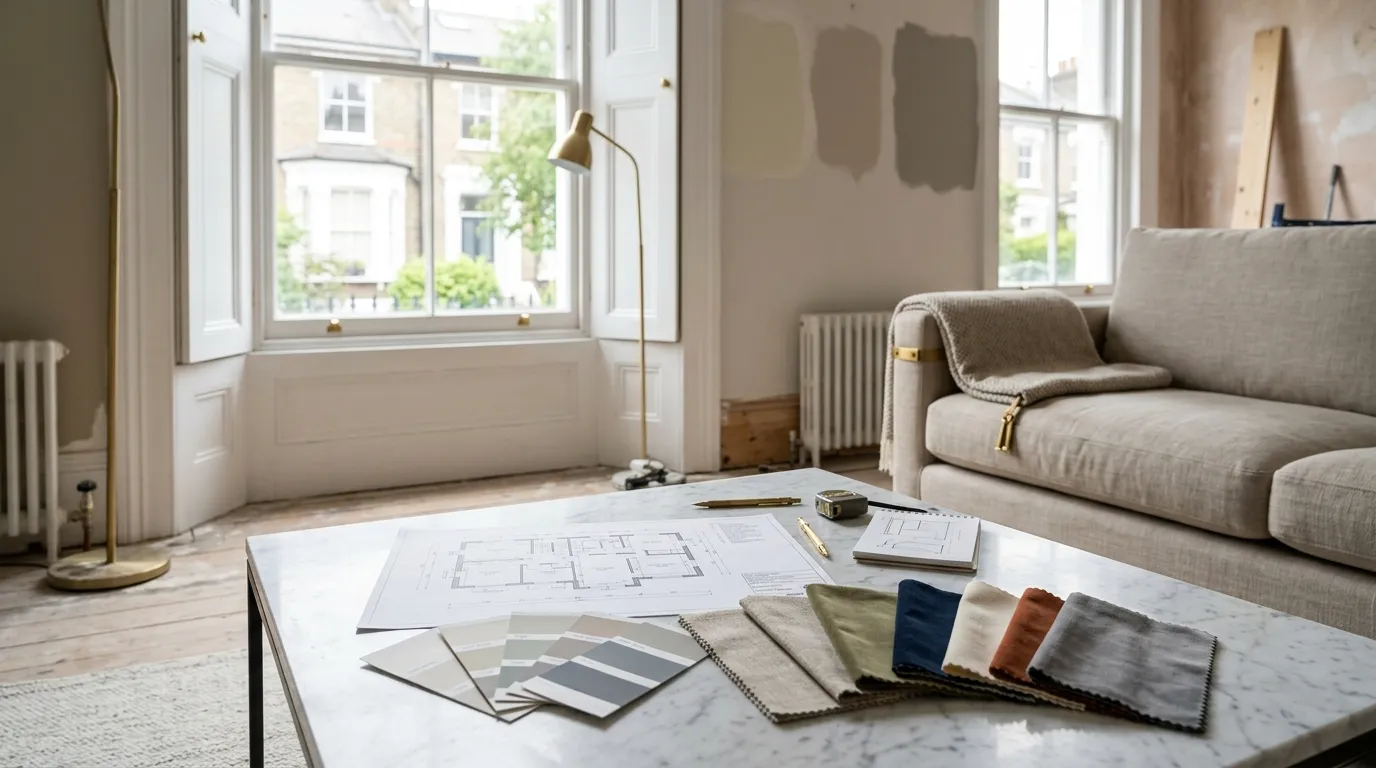
How Much Does an Interior Designer Cost in London in 2026?
What interior designers charge in London in 2026: hourly rates, day rates, per-room fees and percentage models, with real figures and what each one buys you.
Read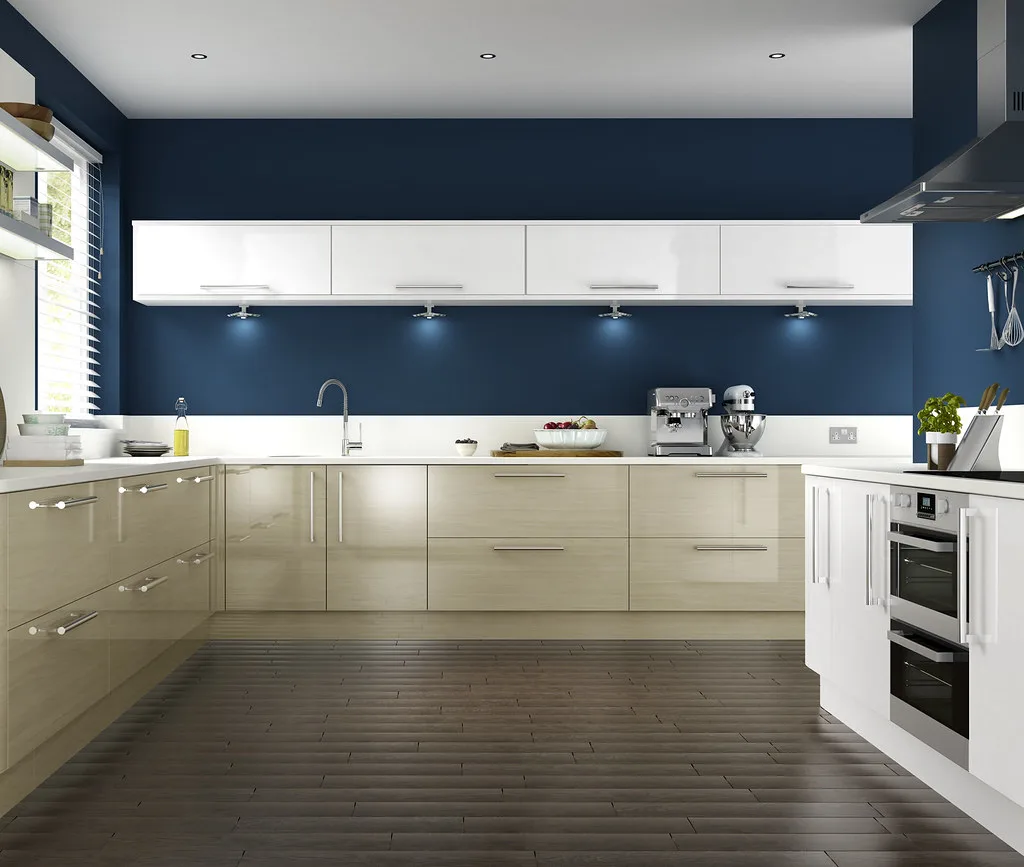
Navy Kitchen Ideas: Blue, Teal and Cobalt Cabinet Designs
Navy kitchen ideas that work: the best blue cabinet shades, worktop and hardware pairings, and how to use navy, teal and cobalt without dating the room.
Read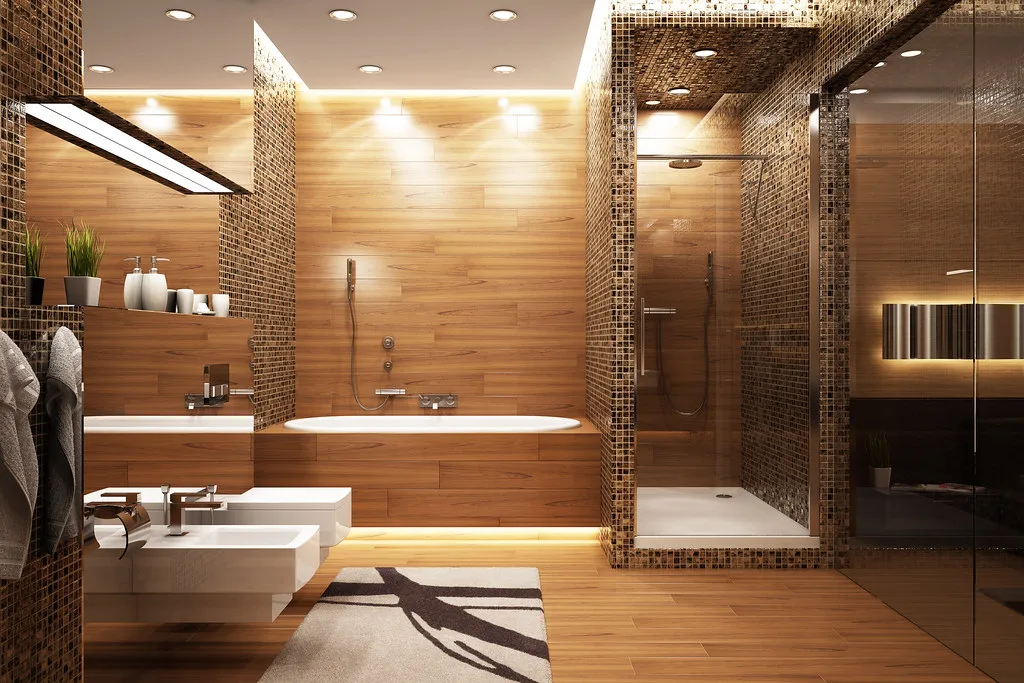
Gold and Brass Bathroom Accessories: How to Style Warm Metallics
How to choose and style gold bathroom accessories and brass fittings, from brushed vs polished finishes to mixing metals and avoiding tarnish.
Read