Gold and Brass Bathroom Accessories: How to Style Warm Metallics
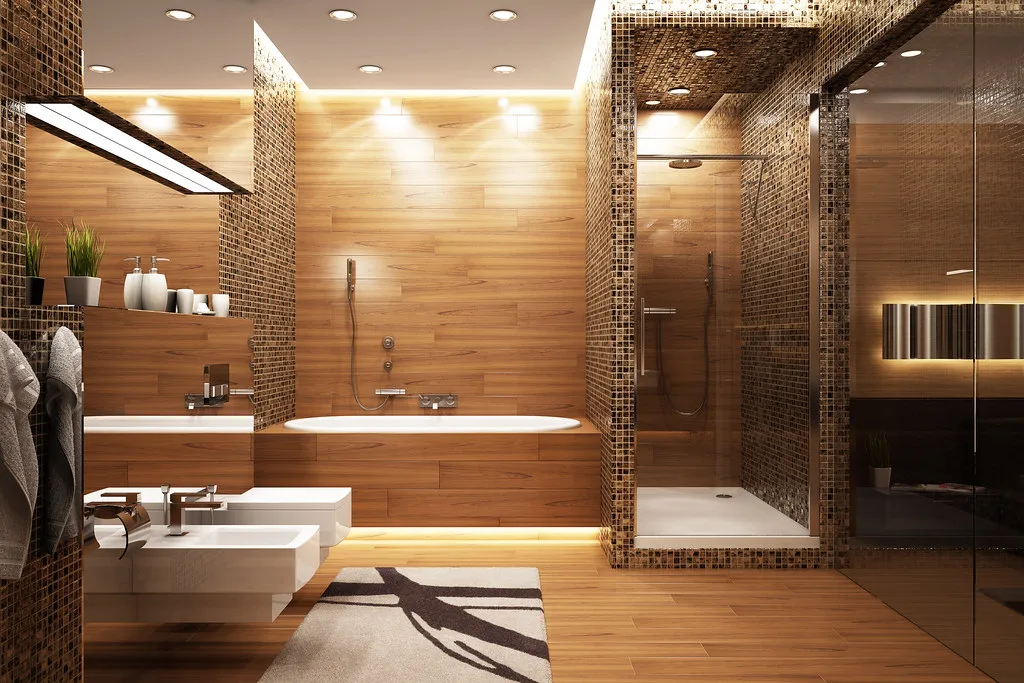
Gold bathroom accessories have quietly become the default upgrade for anyone tired of chrome. Warm metallics, whether you call them gold, brass or brushed gold, add a richness that cold silver finishes never manage, and they flatter almost every colour scheme. The catch is that “gold” covers several very different finishes, and getting the tone and the mix right is what separates a considered bathroom from a Pinterest board that fights itself. This guide explains the finishes, how to style them, and how to keep them looking good.
If you are planning taps and larger fittings as well as accessories, read this alongside our bathroom taps guide, because the finish decision needs to run across both.
The gold and brass finishes explained
There is no single “gold”. The finishes you will meet in UK bathroom ranges are:
- Polished brass (or polished gold): bright, shiny and reflective. It reads as glamorous and slightly vintage, and it makes the strongest statement. It also shows fingerprints and water spots most.
- Brushed brass and brushed gold: the most popular choice by far. A soft, textured surface cuts glare and gives a muted golden tone that looks modern and understated. Crucially, brushed finishes hide fingerprints and watermarks far better than polished ones, which matters on things you touch constantly like taps and handles.
- Matt or satin gold: flatter still, with almost no shine. Contemporary and calm.
- Antique or aged brass: deliberately darkened and uneven, for a period or industrial look.
Brushed gold tends to be a slightly cooler, more neutral yellow, while brushed brass leans warmer and more coppery. In a small bathroom, hold samples against your tiles and paint before committing, because the same finish can look quite different under warm and cool lighting.
Do gold and brass fittings tarnish?
This is the question everyone asks, and the honest answer is: modern ones generally do not. Bare, untreated solid brass will dull and tarnish over time, but almost all current bathroom fittings are finished specifically to prevent that, most commonly with a PVD (physical vapour deposition) coating that is highly resistant to tarnishing and scratching. When you are shopping, look for the words PVD or “tarnish resistant” in the specification.
Genuine unlacquered solid brass, sometimes sold as “living finish”, is the exception: it is designed to patinate and change tone with use. That can be beautiful, but only buy it if you actively want that ageing, not by accident.
To keep any warm metallic looking its best, wipe it with a soft damp cloth and dry it, and avoid abrasive creams or anything acidic like limescale removers on the finish itself.
How to mix metals without it looking like a mistake
Mixing finishes is fashionable but easy to get wrong. The reliable rule is to choose one dominant metal and allow yourself one accent at most. Brass as the hero with a touch of matt black is one of the strongest, most current combinations, and it stops a scheme feeling like a jewellery box.
Keep each finish consistent in its role. For example, make all the “wet” fittings (taps, shower, waste) brass, and use black for the frame of a mirror or a set of hooks, rather than scattering both finishes randomly. If in doubt, keep everything you touch daily in a single finish and reserve the second metal for one deliberate feature.
Which accessories to do in gold
You do not have to commit the whole room to warm metal at once. Accessories are the low-risk way in, and the easiest to change later:
- towel rails and heated towel rails
- robe and towel hooks
- toilet roll holders and toilet brush holders
- soap dispensers and tumblers
- mirror frames
- shelf brackets and grab rails
- cabinet and drawer handles on vanity units
Starting with hooks, a roll holder and a mirror frame gives you the gold accent for a modest outlay. If it works, you can extend to taps and a towel rail later. For storage pieces that carry the finish, see our bathroom storage cabinets and shelves guide.
Colours that flatter gold and brass
Warm metallics are flexible, but a few pairings are foolproof:
- White and off-white: clean and bright, letting the gold be the only warmth in the room.
- Deep green and navy: these rich, moody backdrops make brass glow, which is why they dominate current bathroom schemes.
- Matt black: high contrast and contemporary, the classic partner discussed above.
- Marble and natural stone: the veining picks up the metallic and reads as timeless.
- Warm neutrals and terracotta: for a softer, more Mediterranean feel.
For the paint side of this, our guide to the best bathroom paint in the UK covers durable finishes in these shades, and if you like a period look, Victorian bathroom ideas leans naturally on polished and antique brass.
For a deeper reference on gold finishes from a heritage British maker, Samuel Heath publishes useful guidance on characteristics and styling.
Frequently asked questions
Do gold bathroom accessories tarnish? Modern ones usually do not. Most current fittings have a PVD coating that resists tarnishing and scratching, so look for “PVD” or “tarnish resistant” on the spec. The exception is unlacquered solid brass, a “living finish” designed to patinate over time, which you should only buy if you want that ageing.
What is the difference between brushed brass and polished brass? Polished brass is bright, shiny and reflective, with a glamorous, slightly vintage look, but it shows fingerprints and water spots. Brushed brass has a soft, textured surface that is muted and modern and hides marks far better, which is why it is the most popular choice for bathrooms.
Can you mix gold and chrome in a bathroom? You can, but do it deliberately. Pick one metal as the dominant finish and use the other as a single accent, keeping each consistent in its role. Mixing more than two finishes, or scattering them randomly, usually looks unplanned.
What colours go with gold bathroom accessories? White, deep green, navy, matt black, marble and warm neutrals all flatter gold and brass. Dark green and navy in particular make brass glow, which is why they feature in so many current bathroom schemes.
Is brushed gold the same as brushed brass? They are close but not identical. Brushed gold tends to be a slightly cooler, more neutral yellow, while brushed brass is warmer and more coppery. Always compare physical samples against your tiles and lighting, as tone shifts noticeably under different light.
The Folio
Want more like this in your inbox?
One considered idea for your London home, every Thursday.
SubscribeMore from KDS London
All guides
How Much Does an Interior Designer Cost in London in 2026?
What interior designers charge in London in 2026: hourly rates, day rates, per-room fees and percentage models, with real figures and what each one buys you.
Read
Navy Kitchen Ideas: Blue, Teal and Cobalt Cabinet Designs
Navy kitchen ideas that work: the best blue cabinet shades, worktop and hardware pairings, and how to use navy, teal and cobalt without dating the room.
Read
Green Bedroom Design Ideas: Shades, Furniture, and Styling
Green bedroom design ideas for a calm, grounded room: choosing sage, olive or forest shades, pairing furniture and metals, and styling green that lasts.
Read