Fitted Bathroom Furniture: Built-In vs Freestanding, and What to Buy
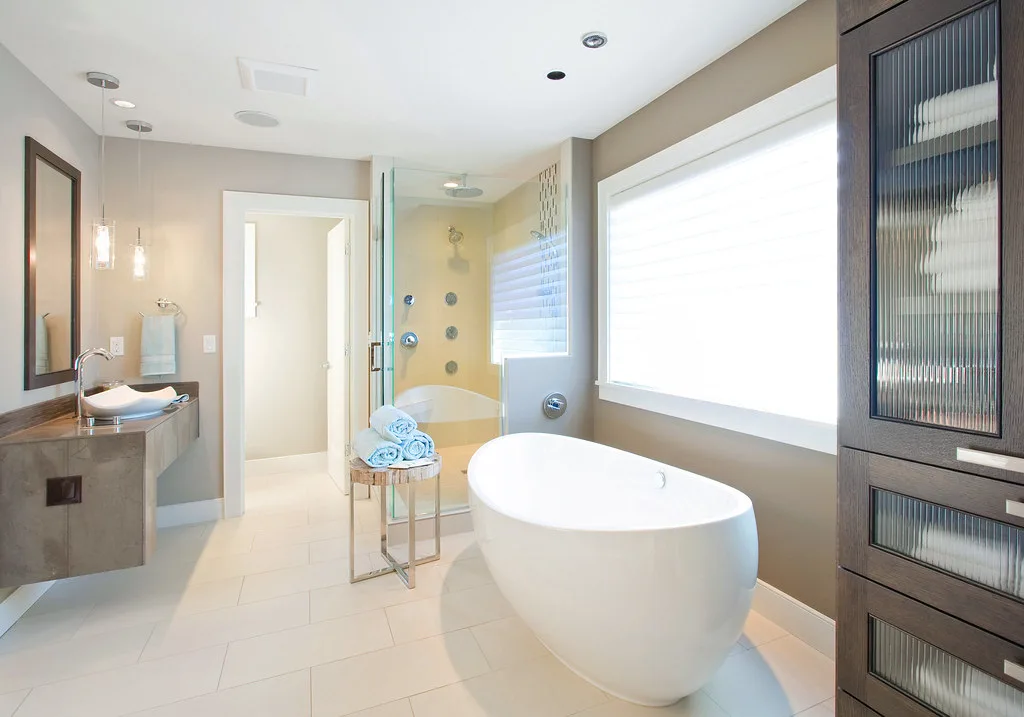
Fitted bathroom furniture is the run of built-in units, vanity, WC unit, tall storage and worktop, designed to sit together and hide the pipework and cistern behind clean panels. It is the single biggest decision in a bathroom refit after the suite itself, because it sets the storage, the sightlines and how expensive the room looks. This guide explains how fitted furniture compares with freestanding pieces, which suits which bathroom, and what to check before you order.
What “fitted” actually means
Fitted (or built-in) furniture is a coordinated set of units installed as a continuous run, usually with a shared worktop and matching doors. The soil pipe, the cistern and the trap disappear behind removable panels, so the room reads as tidy and seamless. Freestanding furniture, by contrast, is individual pieces, a standalone vanity, a mirrored cabinet, a floor cupboard, that you place rather than build in.
Most real bathrooms end up mixing the two: a fitted vanity-and-WC run down one wall, plus a freestanding tall cabinet or an open shelf for character.
Fitted furniture: the pros and cons
In its favour:
- Storage and worktop. A built-in run gives noticeably more usable storage and counter space than a freestanding vanity of the same footprint, which is why it wins in family and main bathrooms.
- A tidy, high-end look. Boxing in the cistern and pipes gives the flush, cohesive finish that reads as a professionally designed room and can help resale.
- Space efficiency. Because it is built to your exact wall, fitted furniture uses awkward corners and full wall lengths that off-the-shelf pieces waste.
- Stability. Units are anchored to the wall and floor, so nothing rocks or shifts.
Against it:
- Cost and installation. Fitted schemes usually need proper design and a skilled fitter, so the installed cost is higher than dropping in a freestanding vanity.
- Hard to change. Once in, a fitted run is difficult to move or update. If one section is damaged you may have to disturb the whole run to fix it.
- Commitment. You are locking in a layout, so it needs planning up front.
Freestanding furniture: the pros and cons
Freestanding pieces are typically cheaper, quicker to fit, and easy to swap when you fancy a change. In a small bathroom, a wall-hung or leggy freestanding vanity that shows the floor beneath it can make the room feel bigger. The trade-off is storage: a freestanding vanity is usually shorter and shallower than a built-in one, so you lose cupboard and worktop space, and a standalone piece rarely uses a wall as efficiently.
Which should you choose?
A useful rule of thumb:
- Small bathrooms and cloakrooms often benefit from fitted furniture, precisely because it squeezes storage out of every centimetre and hides the cistern in a room where clutter shows. A slimline fitted vanity-and-WC unit is the classic small-bathroom solution. Our downstairs loo design ideas show this in the tightest spaces.
- Larger bathrooms can carry freestanding pieces as a feature: a statement vanity or a beautiful cabinet becomes the focal point, with the space to show it off.
- Main and family bathrooms usually want the storage and durability of a fitted run, softened with one freestanding or open element.
For a wider view of storage across both approaches, see our guide to bathroom storage cabinets and shelves.
Wall-hung or floor-standing?
Within fitted furniture, the next choice is whether units sit on the floor or hang off the wall. Wall-hung units show the floor beneath, which lifts a small room and makes cleaning easier, but they must be fixed to a solid or properly reinforced wall to carry the load. Floor-standing units are simpler to install, hide the floor junction, and suit period rooms. If you have a stud wall, check it can be strengthened before committing to wall-hung.
Materials and finishes that survive a bathroom
Bathroom furniture lives in humidity, so the carcass matters as much as the door. Look for moisture-resistant MDF or marine-grade board, a quality laminate or painted finish, and soft-close hinges and runners. Solid timber and veneers look beautiful but need to be properly sealed. Our guide to wooden bathroom cabinets covers timber options, and bathroom worktops covers the surface that ties a fitted run together.
For colour and finish, a fitted run is a chance to commit to one look. Sage green, navy and warm neutrals all wear well; see our bathroom colour ideas and, for the surrounding walls, the best bathroom paint.
Planning and budgeting a fitted scheme
Measure the wall, note the position of the soil pipe and any window, and decide the run before you shop, because fitted furniture is sold as coordinated modules. Allow for a skilled fitter and, if you are moving the WC or basin, a plumber. Fitted work is a bigger outlay than freestanding, so it belongs in the same budgeting exercise as the rest of the room; our guide to how much a new bathroom costs in the UK puts furniture in context, and small bathroom design ideas helps you plan a tight layout.
For technical standards on bathroom electrics and zones near water, the NICEIC and the Bathroom Manufacturers Association publish reliable UK guidance worth checking before work starts.
Frequently asked questions
Is fitted bathroom furniture worth it? In most main and small bathrooms, yes. It gives more storage and worktop than freestanding pieces of the same size, hides the cistern and pipes for a high-end finish, and uses awkward walls efficiently. The trade-off is a higher installed cost and a layout you cannot easily change.
What is the difference between fitted and freestanding bathroom furniture? Fitted furniture is a built-in run of coordinated units installed against the wall, hiding pipework behind panels. Freestanding furniture is individual, movable pieces you place in the room. Fitted maximises storage and looks seamless; freestanding is cheaper, quicker and easy to change.
Is fitted furniture better for a small bathroom? Usually. Fitted units squeeze storage from full wall lengths and awkward corners, and boxing in the cistern keeps a small room tidy. A slimline fitted vanity-and-WC unit is a common small-bathroom solution.
Should I choose wall-hung or floor-standing units? Wall-hung units show the floor beneath, making a small room feel larger and easier to clean, but they need a solid or reinforced wall. Floor-standing units are simpler to fit and suit period rooms. Check your wall can take the load before choosing wall-hung.
What material should bathroom furniture be made from? Look for moisture-resistant MDF or marine-grade board with a quality laminate or painted finish, plus soft-close hinges and runners. Solid timber and veneers look excellent but must be properly sealed against humidity.
Can I mix fitted and freestanding furniture? Yes, and most well-designed bathrooms do. A fitted vanity-and-WC run for storage, paired with one freestanding tall cabinet or open shelf for character, gets you the storage of fitted with the personality of freestanding.
The Folio
Want more like this in your inbox?
One considered idea for your London home, every Thursday.
SubscribeMore from KDS London
All guides
How Much Does an Interior Designer Cost in London in 2026?
What interior designers charge in London in 2026: hourly rates, day rates, per-room fees and percentage models, with real figures and what each one buys you.
Read
Navy Kitchen Ideas: Blue, Teal and Cobalt Cabinet Designs
Navy kitchen ideas that work: the best blue cabinet shades, worktop and hardware pairings, and how to use navy, teal and cobalt without dating the room.
Read
Gold and Brass Bathroom Accessories: How to Style Warm Metallics
How to choose and style gold bathroom accessories and brass fittings, from brushed vs polished finishes to mixing metals and avoiding tarnish.
Read