Kitchen Window Ideas: Treatments, Sills, and Styling Tips
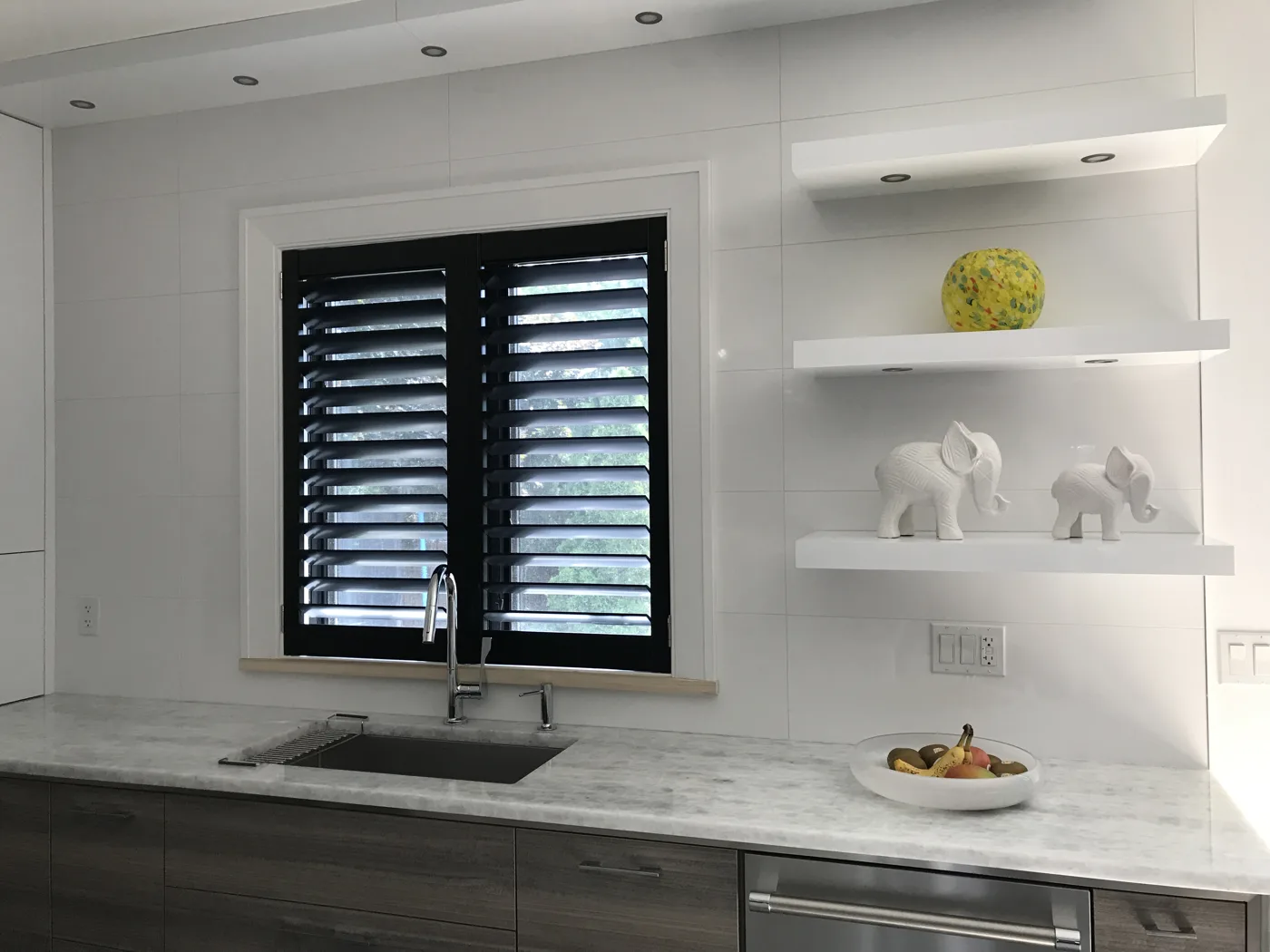
Good kitchen window ideas have to do two jobs at once: look considered and survive steam, splashes and grease. The window over the sink is the hardest one in the house to get right, which is why it so often ends up bare or hung with something that warps within a year. This guide covers the treatments that actually work in a working kitchen, how to style the sill without cluttering it, and simple fixes for awkward or overlooked windows.
Start with the window’s job, not the fabric
Before choosing a look, decide what the window needs to do:
- Over the sink: it will meet water, steam and splatter. Choose materials that wipe clean and do not hold damp.
- In a seating or dining zone: you have more freedom, and softer fabrics work.
- North-facing or dark: keep the treatment minimal so you do not lose precious light.
- Overlooked by neighbours: you need privacy without blacking the room out.
Get the function right and the styling follows easily.
The best treatments over a kitchen sink
This is the window most people ask about. The reliable options:
- Faux-wood blinds or shutters. They look like painted timber but shrug off moisture and wipe clean, which real wood over a sink will not. The single most practical choice for a sink window.
- Vinyl or PVC roller blinds. Inexpensive, wipeable and available in patterns; ideal where splashback is heavy.
- Sill-length (café) curtains. Short curtains that stop at the sill add softness without trailing into the sink or work area. Keep them in a washable cotton or linen blend.
- Window film. A frosted or patterned film gives privacy on an awkward or overlooked window with no fabric at all, so nothing to clean around the tap.
What to avoid over a sink: long floor-length curtains, delicate silks, and real wood blinds, all of which struggle with steam and get in the way.
Blinds vs curtains: how to choose
- Roman blinds give the tailored, layered look designers favour for 2026 and use far less fabric than curtains, so a more expensive fabric is affordable on a small window. Best kept away from the immediate sink splash zone.
- Roller blinds are the workhorse: cheap, wipeable, and neat when a window is close to worktops.
- Curtains suit larger windows in dining or garden-room ends of a kitchen, where they soften a hard, glossy scheme. Sill-length rather than floor-length near work areas.
- Layering a roller or Roman blind with light dress curtains gives flexibility: privacy from the blind, warmth from the fabric.
How to style a kitchen window sill
A sill is a shelf, so treat it like one, sparingly:
- A small run of potted herbs turns the sill into a working garden shelf and earns its place because you use it. A bright, non-scorching sill suits many culinary herbs; the RHS guide to growing herbs covers which cope indoors.
- The rule of odd numbers: group three items of different heights rather than lining up a row.
- Keep the tap zone clear. Anything within reach of splashing gets damp and grimy, so style the far end of the sill.
- One considered object, a plant, a candle, a favourite jug, reads calmer than a crowd of small things.
- Match the metals to your tap and handles so the sill feels part of the scheme, not an afterthought.
Fixes for awkward windows
- Very small window: skip fussy treatments; a plain roller blind or film keeps it from looking cramped.
- Window right behind the tap: frosted film or a fixed café curtain avoids anything you have to reach past.
- No privacy: bottom-up blinds or film on the lower pane keep the light while blocking the view in.
- Off-centre or odd shape: paint the frame the same colour as the walls to let it recede, rather than drawing attention with contrast.
Let the window shape the scheme
The window is also a design opportunity for the whole room. A deep sill can become a display ledge; a run of glazing can justify a darker cabinet colour because the light balances it. If you are planning colours around the window, our guides to kitchen colour ideas, white kitchen ideas and blue kitchen ideas show how light and cabinet tone work together. For bigger structural changes, kitchen extension ideas covers glazing and rooflights that transform how a kitchen feels.
If you want a scheme pulled together professionally, our guides to interior designer fees in the UK and hiring an interior designer in London explain what that costs and how it works.
Frequently asked questions
What is the best window treatment for over a kitchen sink? Faux-wood blinds or shutters, or a wipeable vinyl roller blind. They handle steam and splashes and clean easily, unlike real wood or long curtains. Frosted window film is best where you need privacy with nothing to clean around the tap.
Should a kitchen window have blinds or curtains? Blinds suit windows close to worktops and sinks because they are neat and wipeable. Curtains suit larger windows in dining or seating areas, ideally sill-length rather than floor-length near work zones. Layering a blind with light curtains gives you both.
What can I put on a kitchen window sill? A few potted herbs, one or two considered objects grouped in odd numbers, and nothing within the splash zone of the tap. Keep it sparse so it reads as styled rather than cluttered.
How do I get privacy on a kitchen window without losing light? Use frosted or patterned window film, a bottom-up blind, or a café curtain that covers only the lower pane. All keep daylight coming in while blocking the view from outside.
Are real wood blinds okay in a kitchen? Not over a sink or hob, where steam and moisture can warp them. Choose faux-wood instead, which looks the same but resists damp. Real wood is fine on a window well away from water and heat.
What kitchen window treatments are on trend for 2026? Tailored Roman shades, often layered with a roller blind or light curtains, and simple frosted film on awkward windows. The overall direction is understated and practical rather than heavily dressed.
The Folio
Want more like this in your inbox?
One considered idea for your London home, every Thursday.
SubscribeMore from KDS London
All guides
How Much Does an Interior Designer Cost in London in 2026?
What interior designers charge in London in 2026: hourly rates, day rates, per-room fees and percentage models, with real figures and what each one buys you.
Read
Navy Kitchen Ideas: Blue, Teal and Cobalt Cabinet Designs
Navy kitchen ideas that work: the best blue cabinet shades, worktop and hardware pairings, and how to use navy, teal and cobalt without dating the room.
Read
Gold and Brass Bathroom Accessories: How to Style Warm Metallics
How to choose and style gold bathroom accessories and brass fittings, from brushed vs polished finishes to mixing metals and avoiding tarnish.
Read