Whole House Interior Design Cost in London: What a Full Project Really Costs
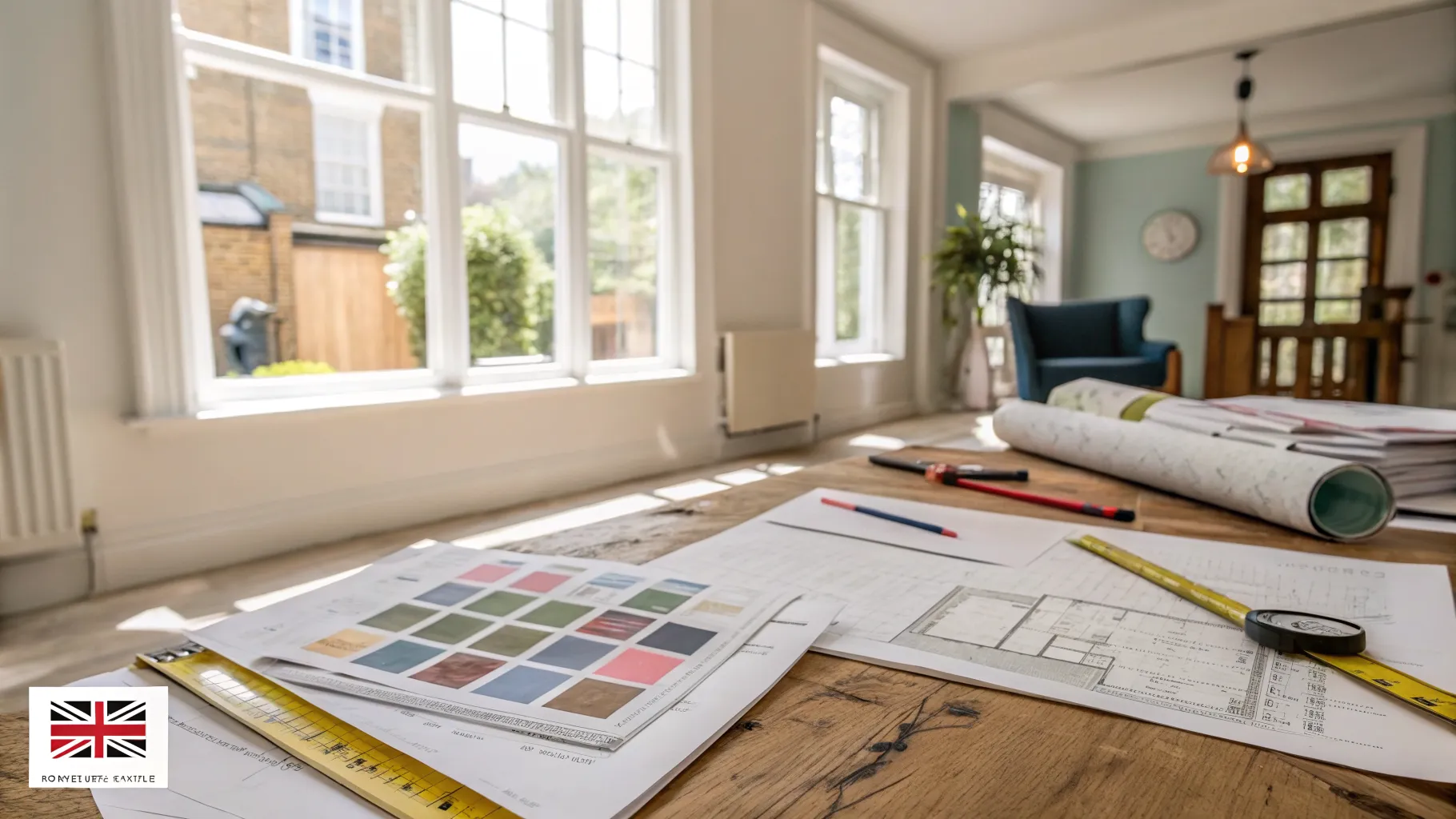
The single biggest reason London homeowners get a shock quote for a whole house project is that they confuse the designer’s fee with the total cost of the work. The fee is one bucket. The build is another. The furniture, lighting and finishes are a third. Lump them together and a designer’s quote can look outrageous; separate them and the same project makes complete sense. This page breaks a London whole house project into its real parts, shows where the money goes, and gives you the questions to ask before you sign anything.
The four buckets your budget splits into
Every whole house project in London resolves into a handful of cost categories. Most pages that rank for this search quote a single blended range and leave you guessing what it includes. Here is the cleaner way to think about it.
| Bucket | What it pays for | Rough share of total spend |
|---|---|---|
| Construction / build | Walls, wiring, plumbing, plastering, joinery installation, decorating | ~60% |
| FF&E (furniture, fixtures, equipment) | Sofas, beds, lighting, curtains, rugs, accessories | ~25% |
| Design fee, contingency, incidentals | The designer’s time and expertise, plus a buffer | ~15% |
That 60/25/15 split is a working framework, not a fixed rule. A decor-led refresh with no building work tilts heavily towards FF&E. A full structural renovation tilts towards construction. But it stops you assuming the design fee is the whole story, which it almost never is.
The FF&E bucket is the one homeowners underestimate most. Furnishing a whole house properly, sofas, beds, lighting, curtains, rugs and the dozens of smaller pieces that make a room feel finished, is a substantial line of its own and routinely runs into tens of thousands of pounds.
What the design fee actually is, and how it is charged
The design fee is payment for the designer’s expertise, drawings, specifications, procurement work and site coordination. It is separate from the build and the furniture. Designers in London charge for it in one of four ways.
- Fixed fee. A single agreed sum for a defined scope. Transparent, but it depends on a tight brief upfront; vague scope means vague pricing.
- Hourly or daily rate. Flexible and fair for smaller jobs, but it can spiral on a whole house. Always ask for an estimated total number of hours, not just the rate.
- Percentage of project value. The fee is a percentage of total spend. It scales with the size of the job; some clients worry it gives the designer an incentive to specify more expensive things.
- Combination. A consultation fee, then a fixed design fee, then a percentage on procurement, for example.
The combination model is the real-world norm. According to the British Institute of Interior Design’s fee research, 51% of designers use a mix of charging methods, 21% use a fixed fee, 18% charge hourly and 6% charge a straight percentage. So when a designer’s pricing does not slot neatly into one box, that is normal practice, not evasion.
For London work, percentage fees can sit higher than the national picture because the studios quote on total project spend, which on a substantial home is a large number. The same BIID research found that among designers who charge a percentage, just over half charged in the 6 to 10% band, while a third charged above 16%. London period-property and high-specification work tends to cluster at the upper end.
For a fuller breakdown of how London studios structure fees, see our guide to interior designer fees in the UK and the 2026 London designer cost guide.
Whole house ranges you will see quoted, and the catch
You will find whole house figures quoted across London studios that span a wide range: a one-bedroom apartment at the lower end, a two to three-bedroom home in the middle, and larger fully bespoke residences well into six figures. The broadest London spread runs from a modest apartment refresh up to a substantial townhouse or penthouse at the very top.
Here is the catch: most of those headline ranges blend the design fee with furnishings, and some exclude the build entirely. They are not design-fee-only numbers, even when they read that way. Never take a single “whole house” figure at face value. Ask for an itemised quote that separates the four buckets, so you can see exactly what you are paying for and compare studios like for like.
On a per-area basis, a comprehensive design service in London is commonly priced by the square foot, with high-end work involving interior architecture, custom millwork and full project management priced considerably higher per square foot than a standard full-service job. Treat per-square-foot figures as a sense check against a fixed fee rather than a quote in themselves.
VAT: the 20% you must factor in
Interior design is a standard-rated service, so a VAT-registered designer charges 20% VAT on the design fee. The threshold for compulsory VAT registration is £90,000 of taxable turnover in any rolling 12-month period, a figure unchanged since April 2024. If you see older guidance quoting £85,000, it is out of date; confirm the current figure directly on GOV.UK.
Two points catch London clients out:
- VAT applies not just to the fee but to furniture and materials the designer buys and recharges to you. If they procure on your behalf and recharge it, expect 20% on that too.
- For services tied to a specific UK property, the place of supply is the property itself. So even an overseas owner of a London flat pays UK VAT on the design service.
Always ask whether a quote is inclusive or exclusive of VAT before you compare numbers. On a large fee the 20% difference is significant, and it is a common reason two quotes that look similar are actually thousands of pounds apart. The BIID also publishes VAT guidance for designers covering registration and record-keeping.
A worked example: 3-bedroom Victorian terrace, zone 2/3
Numbers are easier to trust when they are attached to a real property type. Take a three-bedroom Victorian terrace in zone 2 or 3, a very common London project. Period stock means surprises behind the plaster, so the contingency goes up, not down.
Using the 60/25/15 framework against a realistic whole-project budget for this kind of home:
| Bucket | Share | What it covers here |
|---|---|---|
| Construction | ~60% | Rewiring, replumbing, replastering, new joinery, decorating, making good a period property |
| FF&E | ~25% | Whole-house furniture, lighting, soft furnishings, window treatments |
| Design fee + contingency | ~15% | Designer’s fee, plus a contingency buffer |
The contingency deserves its own line. For a sound property, budget a minimum of 15%. For anything built before 1920, push that to 20%, because London’s period terraces hide damp, failing joists, dated wiring and uneven floors that only reveal themselves once work starts. That buffer is not padding; on an older house it is the difference between finishing the project and stalling it.
London also carries a build and labour premium of roughly 25 to 40% over national averages, driven by labour rates, restricted site access, scaffold and parking permits, and stricter borough planning. That premium sits inside the construction bucket and is a large part of why London whole house projects cost what they do.
How long a whole house project takes
A decor and styling-led whole house project typically runs around five to eight months. A comprehensive renovation with structural changes runs eight to twelve months or longer. The phases are predictable.
- Consultation, brief and survey. Establishing what you want and measuring what you have.
- Concept design. Mood boards, 2D layouts and 3D renders.
- Technical design. Detailed drawings, joinery, specifications.
- Construction and implementation. The build itself.
- Installation and styling. The whole-house install, often a full team over several days.
The hidden timeline driver is furniture lead times. Several months is normal for made-to-order pieces, and it is why a project that “looks finished” on the drawings still takes months to land. If you are working to a deadline, ask about lead times early, because they often dictate the schedule more than the building work does.
This whole sequence maps onto the RIBA Plan of Work, the work-stage framework architects and designers use to structure fees against project phases.
When a whole house designer is worth it
For most whole house projects, a good designer earns the fee back. They save you time, reduce stress, and prevent expensive mistakes: the wrong sofa for a narrow Victorian hallway, lighting that fights the architecture, a kitchen layout you regret within a year. On a whole house, those avoided errors can exceed the fee, and coordinated specification plus trade discounts can claw back some of the cost too.
It is less obviously worth it if your project is small, your taste is settled, and you enjoy the hands-on work yourself. In that case, a consultation tier or a single-room engagement may serve you better than a full-service whole house contract. Our guides to cost per room and kitchen design cost in London cover those narrower routes.
Frequently asked questions
How much does an interior designer cost for a whole house in London? It depends almost entirely on which buckets you are counting. The design fee alone is usually a fraction of the total. Whole-house figures quoted by London studios often blend the design fee with furnishings, and sometimes exclude the build entirely. Always ask for an itemised quote that separates the design fee, construction, FF&E and contingency so you can see what you are actually paying for.
What is the difference between the design fee and the total project cost? The design fee pays for the designer’s expertise, drawings, specifications and coordination. The total project cost adds the build, the furniture and fittings, VAT and contingency on top. As a rough guide, the design fee and contingency together account for around 15% of the whole spend, construction around 60%, and furnishings around 25%.
Do interior designers charge VAT? Yes. Interior design is standard-rated at 20% VAT, and a VAT-registered designer charges it on both the fee and on furniture or materials they buy and recharge to you. Registration is compulsory above £90,000 of taxable turnover. Always confirm whether a quote is inclusive or exclusive of VAT before comparing.
Why won’t designers publish their prices? Because whole house, trade-managed work genuinely cannot be priced one-size-fits-all, and most designers do not list fees online. The BIID research found 80% of designers do not list fees on their websites. It is not evasion; it reflects how variable scope, property condition and procurement are from one job to the next.
How much contingency should I set aside? A minimum of 15% for a sound property, and 20% for anything built before 1920. London’s period terraces commonly hide damp, dated wiring and structural surprises that only appear once work begins, so the older the house, the bigger the buffer you need.
Do designers make money on the furniture? Many work with trade accounts that carry discounts. Some pass a share of that saving to you, others recharge furniture with a markup as part of their fee model. Neither is improper as long as it is disclosed; ask directly how procurement and any markup work, and request it in writing.
Can I just pay for a few hours of advice instead? Yes. Most studios offer a consultation tier for one-off advice on colour, layout or a single decision, and a design-only package that gives you concepts and a shopping list while you manage the buying and installation yourself. If you do not need full project management, these tiers cost far less than a whole house contract. See our guide to hiring an interior designer in London for how to scope the right level of service.
The Folio
Want more like this in your inbox?
One considered idea for your London home, every Thursday.
SubscribeMore from KDS London
All guides
How Much Does an Interior Designer Cost in London in 2026?
What interior designers charge in London in 2026: hourly rates, day rates, per-room fees and percentage models, with real figures and what each one buys you.
Read
Navy Kitchen Ideas: Blue, Teal and Cobalt Cabinet Designs
Navy kitchen ideas that work: the best blue cabinet shades, worktop and hardware pairings, and how to use navy, teal and cobalt without dating the room.
Read
Gold and Brass Bathroom Accessories: How to Style Warm Metallics
How to choose and style gold bathroom accessories and brass fittings, from brushed vs polished finishes to mixing metals and avoiding tarnish.
Read