Kitchen Drawer Units: Sizes, Styles, and Where to Buy
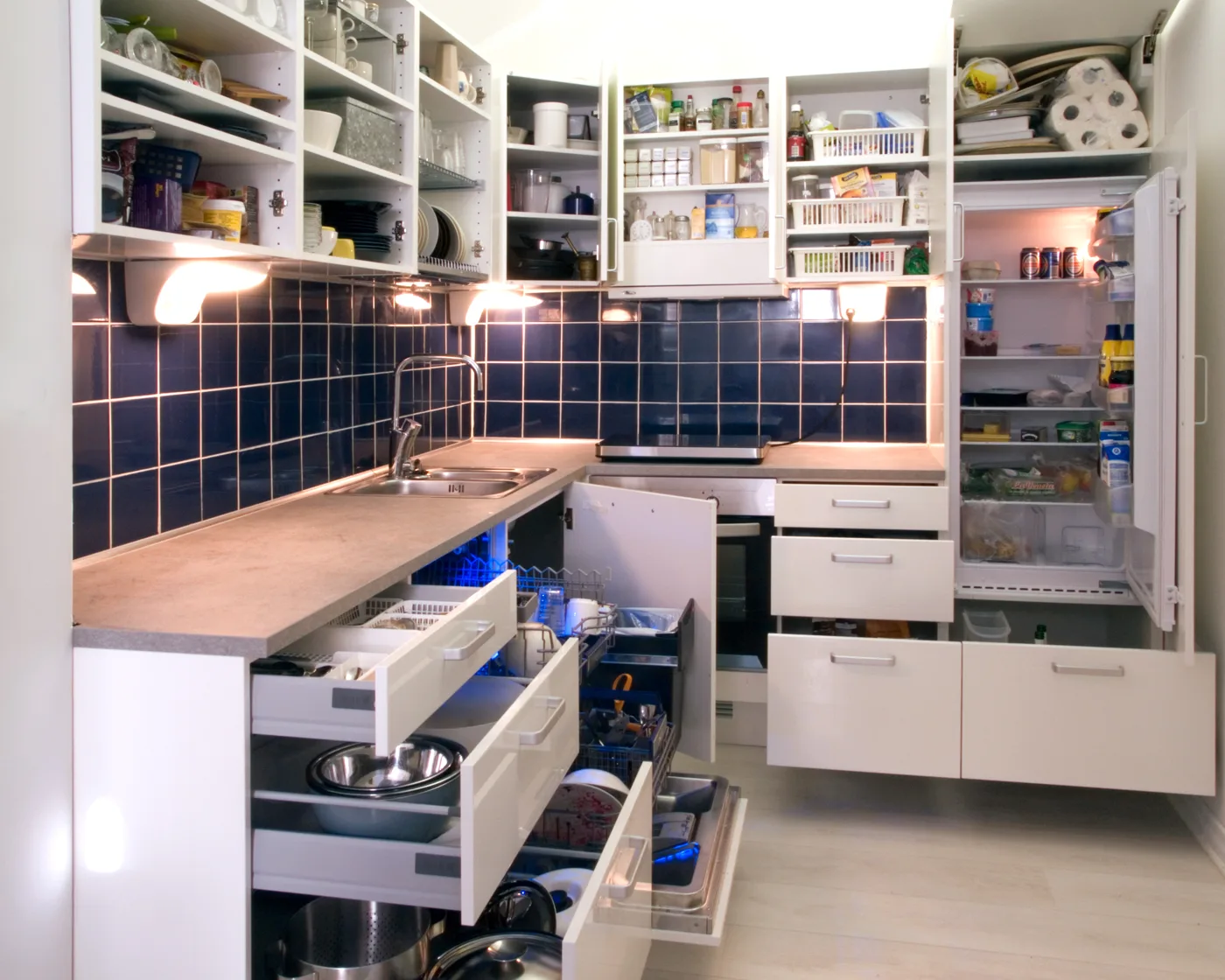
Kitchen drawer units are the storage most people underuse and later wish they had bought more of. A cupboard makes you crouch and reach into the dark; a deep drawer brings everything to you and lets you see it from above. If you are planning a kitchen, the single change that improves daily use the most is swapping some of your base cupboards for drawers. This guide covers the standard sizes UK kitchens are built to, the styles you can choose, the runners that make or break how a drawer feels, and where to buy them.
Standard kitchen drawer unit sizes in the UK
Almost every UK kitchen is built to the same grid, whether it comes from a trade supplier or a DIY shed, so drawer units follow the same standard widths as any other base unit: 300, 400, 500, 600, 800 and 1000mm. The 600mm width is by far the most common because it holds plenty while still fitting neatly between appliances. The 800 and 1000mm sizes are double-width units with two banks of drawers side by side.
The heights are standardised too. A base unit carcass is typically 720mm tall, sitting on 150mm adjustable legs, which brings the worktop to the familiar height of around 900mm once the worktop is added. Depth is usually 560mm for the carcass, or roughly 600mm once the drawer front is on. Knowing this grid matters because it means drawer units from most suppliers are interchangeable in the same layout, and you can plan around it before you ever pick a door style. Our kitchen cabinet dimensions guide sets out the full set of standard measurements.
Drawer configurations explained
Within that standard box, the number and depth of drawers is where the choice lies.
A two-drawer unit usually pairs one shallow drawer over one deep drawer, a simple, flexible option for cutlery on top and larger items below. A three-drawer unit typically has two shallow drawers over one deep drawer, which suits a mix of utensils, tea towels and pans. A drawer-line unit replaces the top drawer of a cupboard with a single shallow drawer above a cupboard door, a good way to add a cutlery drawer without giving up cupboard space.
Pan drawers are the ones worth planning deliberately. These are deep drawers, usually a set of two or three, built to hold pots, pans and oven trays, and they turn the most awkward low cupboard in the kitchen into the easiest storage you own. A 600mm or 800mm pan drawer unit next to the hob or oven is one of the best-value decisions in a kitchen. On many three-drawer units the bottom drawer is double depth for exactly this reason.
Runners: the part that decides how a drawer feels
Two drawers can look identical and feel completely different, and the reason is the runner underneath. Cheaper units use side-mounted metal runners that can rattle and sag over time. Better units use full-extension, soft-close runners, often from specialist makers like Blum or Hettich, which glide the whole way out so you can reach the back, carry heavy loads without complaint, and close themselves quietly.
If you are comparing units, ask what runners they use and whether they are full-extension and soft-close, because this single detail affects daily satisfaction more than the door finish. Blum’s drawer systems are the benchmark many quality kitchens are built around, and a unit specified with them will outlast the trends. For a deep pan drawer loaded with cast iron, full-extension soft-close runners are not a luxury, they are what stops the drawer failing early.
Freestanding and display drawer options
Not every drawer has to be a fitted base unit. Freestanding drawer units and dressers add storage to a kitchen without a full refit and can be moved or taken with you, which suits a rental or a kitchen you are not ready to replace. A glazed display cabinet does a similar job higher up, keeping crockery visible rather than buried. These are worth considering if you want more storage but are not doing a whole new kitchen, and they pair well with the fitted drawers you do have.
Where to buy kitchen drawer units in the UK
There are three broad routes. Trade suppliers such as Howdens and Benchmarx sell through a fitter or account and tend to offer robust carcasses and good runners, though you usually buy via a professional. Retail kitchen specialists like Wren, Magnet and DIY Kitchens sell direct to the public, with DIY Kitchens in particular known for rigid, pre-built units and quality runners at competitive prices. DIY and flat-pack options from IKEA, B&Q’s GoodHome and Wickes are the most affordable and available quickly; IKEA’s drawer system is well regarded for the money, though flat-pack carcasses need careful assembly to feel solid.
Which route suits you depends on budget, whether you are fitting yourself, and how long you want the kitchen to last. If drawers are where you spend most, prioritise the runners and carcass quality over the door finish, because the front can be changed later far more easily than the mechanism behind it. For the wider budget picture, see our new kitchen cost guide and our kitchen base units guide.
Frequently asked questions
What is the most useful size of kitchen drawer unit? A 600mm pan drawer unit, with two or three deep drawers, is the most useful single unit for most kitchens. It holds pots, pans and trays where you can see and reach them, and 600mm is the standard width that fits neatly into almost any layout. An 800mm version is worth it if you have the run of units for it.
Are pan drawers better than cupboards? For heavy and frequently used items, yes. Drawers bring contents to you and let you see everything from above, while a low cupboard forces you to crouch and reach into the dark. Cupboards still make sense for tall items and appliances, so most well-planned kitchens use a mix, with drawers around the hob and oven.
What are standard UK kitchen drawer unit dimensions? Widths follow the standard base-unit grid of 300, 400, 500, 600, 800 and 1000mm, with 600mm the most common. The carcass is typically 720mm tall on 150mm legs, giving a worktop height around 900mm, and about 560mm deep. This grid is shared across most UK suppliers, so units are broadly interchangeable.
What are the best drawer runners for a kitchen? Full-extension, soft-close runners are what to look for, ideally from established makers such as Blum or Hettich. Full extension lets you reach the very back of the drawer, and soft-close stops slamming and wear. They matter most on deep pan drawers carrying heavy loads, where cheap runners fail earliest.
Can I add drawer units to my existing kitchen? Often yes, because UK units are built to a standard grid. If your kitchen uses standard widths you can usually swap a base cupboard for a drawer unit of the same width, or add a freestanding drawer unit without any fitting. Measure the opening and check the worktop can be lifted or the unit slid in before buying.
Are flat-pack drawer units any good? They can be. IKEA’s drawer system in particular is well regarded for the price, and flat-pack is the cheapest and fastest route. The trade-off is that carcass rigidity depends on careful assembly, so they rarely feel as solid as a pre-built rigid unit from a specialist. If budget is tight, spend the extra on soft-close runners rather than the door finish.
The Folio
Want more like this in your inbox?
One considered idea for your London home, every Thursday.
SubscribeMore from KDS London
All guides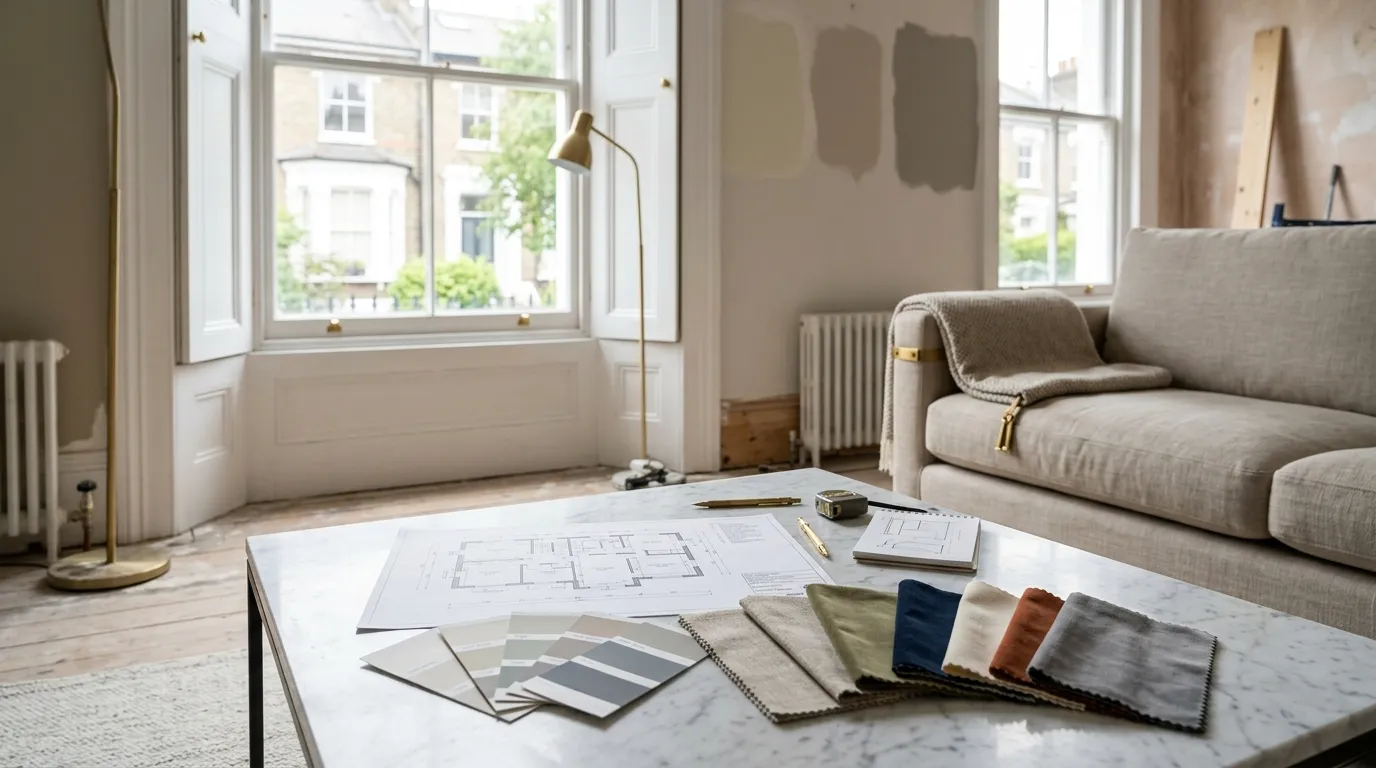
How Much Does an Interior Designer Cost in London in 2026?
What interior designers charge in London in 2026: hourly rates, day rates, per-room fees and percentage models, with real figures and what each one buys you.
Read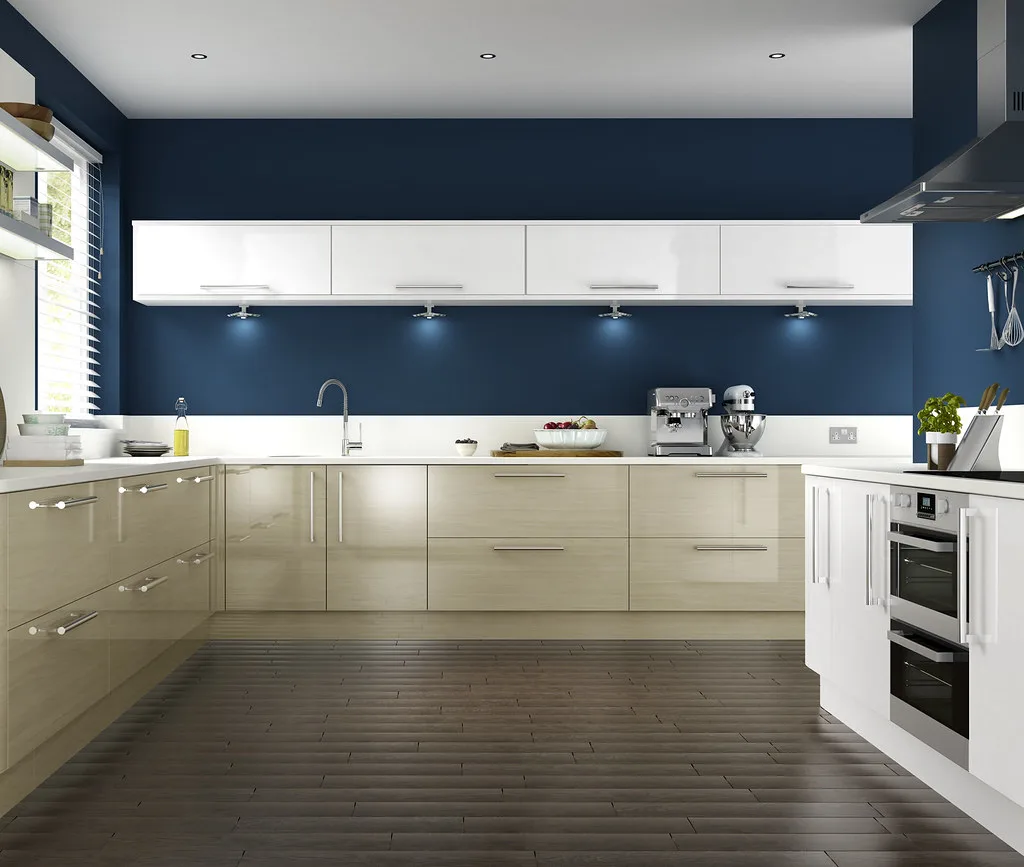
Navy Kitchen Ideas: Blue, Teal and Cobalt Cabinet Designs
Navy kitchen ideas that work: the best blue cabinet shades, worktop and hardware pairings, and how to use navy, teal and cobalt without dating the room.
Read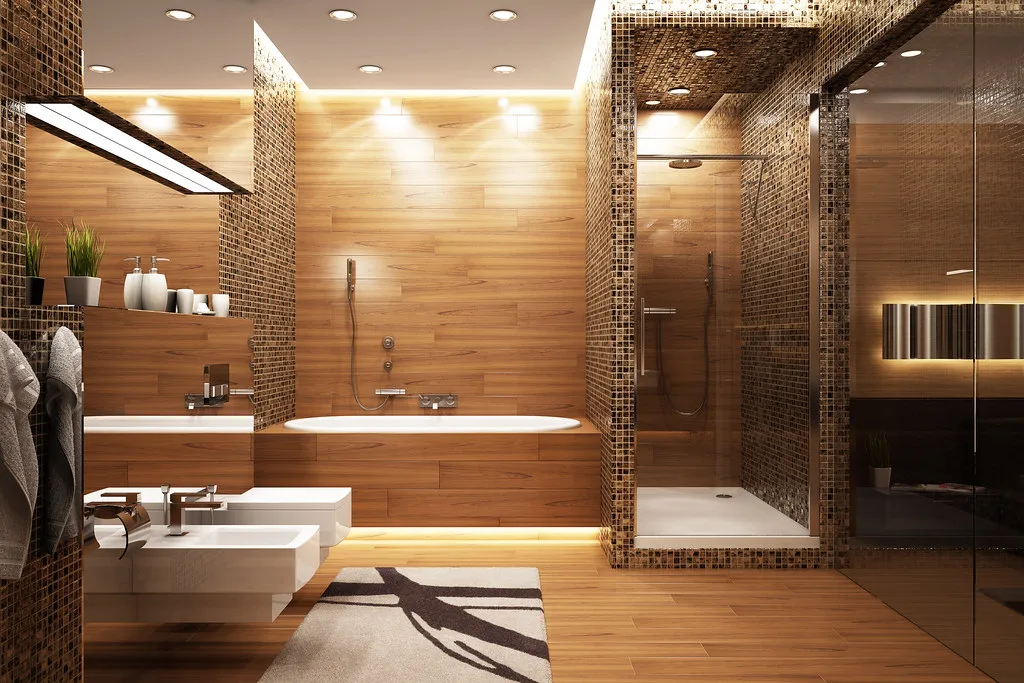
Gold and Brass Bathroom Accessories: How to Style Warm Metallics
How to choose and style gold bathroom accessories and brass fittings, from brushed vs polished finishes to mixing metals and avoiding tarnish.
Read