Interior Design Jobs UK: £23k Start, Unprotected Title
Interior design jobs are unusual among the building trades in one specific way: there is no licence, no register you must join, and no legal barrier to calling yourself an interior designer tomorrow morning. That freedom is why the field is crowded, why the pay range is wide, and why the people who do well in it work hard at proving competence that the law does not require of them.
This page sets out what the government’s own careers data says about the money and the hours, the four ways in, the professional ladder that employers and clients actually recognise, and one legal restriction that catches out a surprising number of people naming their studio.
What the pay actually is
The National Careers Service, which is the government’s own job profile service, gives interior designer pay as £23,000 for a starter and £45,000 for someone experienced, with typical hours of 37 to 42 a week, and notes you could work evenings and weekends attending events or appointments.
Two things to say about that range honestly.
First, it is narrower than the internet suggests. Recruitment sites quote much higher figures because they mix employed salaries with practice owners’ drawings and with fee income, which are different things. An employed mid-weight designer in a London studio sits inside that band. A studio principal is being paid out of project fees, which is a business, not a salary.
Second, the ceiling in the profile is the ceiling for employment, not for the work. Most of the earnings above it come from running a practice and charging fees, and the fee models are public: we set them out in interior designer fees explained and what an interior designer costs in London. If you are weighing a career, read the fee side before the salary side, because it explains where the money in this industry actually sits.
The rule that decides what you can call yourself
Anyone in the UK can trade as an interior designer. No qualification, no registration, no insurance requirement in law. The title is not protected.
One nearby title is, and this catches people out when they are naming a studio. Section 20 of the Architects Act 1997 says:
“A person shall not practise or carry on business under any name, style or title containing the word ‘architect’ unless he is a registered person.”
Subsection (2) then names the only exceptions: “naval architect”, “landscape architect” and “golf-course architect”. Interior architect is not on that list. Neither is any other combination. The Architects Registration Board keeps the public register, treats misuse of the title as its business, and publishes a table of prosecutions on its website. If you are not on the ARB register, “interior architect” is not a description you can trade under, however accurately it describes what you do.
The practical consequences run both ways:
- If you are building a career, use “interior designer”, “interior design assistant”, “spatial designer” or “interior architecture graduate”, the last being a description of a degree rather than a trading title. Do not put “architect” in a business name or a domain.
- If you are hiring one, the absence of a protected title is exactly why the professional bodies matter, and why our guide to hiring an interior designer in London leans on evidence rather than titles.
The four routes in
The National Careers Service lists four ways into the role, and they are not equally travelled.
University. A foundation degree, HND or degree in interior design, art and design, interior architecture or spatial design. Entry is typically 1 to 2 A levels for a foundation degree or HND, and 2 to 3 A levels for a degree. This is the standard route and the one most studios expect to see on a junior CV.
College. An interior design or art and design course, or the T Level in Craft and Design, which usually needs 4 or 5 GCSEs at grades 9 to 4 including English and maths. The service is honest that this route “may help you afterwards with applications for design assistant jobs or university courses”, which is to say it is a step towards the job rather than the job.
Apprenticeship. Here is the oddity worth knowing before you plan around it. There is no interior design apprenticeship standard. The route the government’s own profile points at is the Furniture Design Technician Level 3 Advanced Apprenticeship, which “may lead into an interior design assistant role”. At the time of writing the service also reports that it cannot find any apprenticeship vacancies in England for an interior designer. If somebody has told you to look for an interior design apprenticeship, that is why you have not found one.
Work. Start as an interior design assistant with a company and train up. In a field with no licensing, this remains a genuinely viable route, and it is how a lot of good designers over 40 got in.
The ladder that studios and clients recognise
Because the law provides no ranking, the British Institute of Interior Design provides one instead. The BIID describes itself as the UK’s only professional institute for interior designers, and it celebrated its 60th anniversary in 2025. Its membership grades are, in effect, the career map:
The grade that matters commercially is BIID Registered Interior Designer, which the institute describes as being for experienced working interior designers with a combined six years of experience and education. That is the closest thing the UK has to a recognised professional standard for the job, and it is the credential worth aiming a career at. There is also a Registered Design Practice grade for an established practice with an experienced designer as principal, plus Student, Affiliate, International Dual and Retired categories.
The Society of British and International Interior Design is the other body the government’s profile names, so a studio’s memberships are worth reading rather than skimming.
The jobs that actually exist
“Interior designer” is one line on a careers site and a dozen different jobs in practice. The ones you will meet on job boards:
- Interior design assistant / junior designer. Sourcing, sample libraries, schedules, drawing packages, supplier chasing. The genuine entry point, and the one route the government profile says you can reach without a degree.
- Middleweight and senior designer. Running rooms, then running projects. Client contact, specification, and responsibility for the drawings going to site.
- FF&E designer. Furniture, fixtures and equipment, specification-heavy, procurement-heavy, common in hospitality and in larger residential studios.
- Design and technical. Producing the construction information the contractor builds from, which needs the “knowledge of building and construction” the profile lists among the required skills.
- Studio and project management. Programme, budget, contract administration. Frequently the best-paid non-principal role in a studio, and often filled by a designer who liked the organising more than the drawing.
- Client-side and contract. Developers, hotel groups, retail and workplace teams. Steadier hours than a boutique studio, more process. Our page on office interior design covers what that end of the market involves.
The National Careers Service also lists the sideways moves that experience opens up: theatre set design, visual merchandising, exhibition design, lighting design, furniture design and ergonomics.
What the day looks like
The government profile’s own list of day-to-day tasks is a fair description and worth reading before you commit, because it is less glamorous than the portfolio suggests. Working with clients to understand what they want. Advising on space, colour, fabrics, fittings and furniture. Preparing detailed 2D and 3D plans in design software. Providing estimates for materials, work and timescales. Finding suppliers. Drawing up instructions for contractors, or project managing from start to finish.
Note how much of that is procurement, estimating and coordination. The skills the same profile asks for include customer service, the ability to accept criticism and work well under pressure, and confident computer use. Nobody puts those on a moodboard, and they are what the job is mostly made of.
Employed or self-employed
The fork most designers reach within five years.
Employed gives you a salary inside the £23,000 to £45,000 band, other people’s projects at a scale you could not win alone, and someone else carrying the professional indemnity insurance and the cash flow.
Self-employed gives you the fee models instead, and those are where the earnings ceiling lifts. It also gives you the parts of the job nobody trains you for: pricing, contracts, chasing payment, insurance, and the fact that you are now selling as well as designing. If you are heading this way, learn the pricing structures before you set a rate, because underpricing is the most common way a promising studio fails. Start with interior designer fees in the UK and interior design cost per room.
Whichever side you land on, the RIBA/BIID contracts exist for a reason. Working to a written agreement with defined stages is what separates a practice from a hobby, and it is the single strongest signal to a client that you know what you are doing.
Frequently asked questions
Do you need a qualification to be an interior designer in the UK? No. The title is not protected and there is no register you must join, so anyone can trade as an interior designer. In practice most studios expect a degree, foundation degree or HND for a junior role, and the recognised professional standard is BIID Registered Interior Designer, which asks for a combined six years of experience and education.
How much do interior designers earn in the UK? The National Careers Service gives £23,000 for a starter and £45,000 for an experienced designer, for a 37 to 42 hour week. Earnings above that generally come from running a practice and charging project fees rather than from a salary.
Can I call myself an interior architect? Not unless you are on the ARB register. Section 20 of the Architects Act 1997 bars practising or carrying on business under any title containing the word “architect”, and the only exceptions in the Act are naval architect, landscape architect and golf-course architect. “Interior architecture” as the name of a degree is a different matter from using the title in business.
Is there an interior design apprenticeship? There is no interior design apprenticeship standard. The government’s careers profile points instead at the Furniture Design Technician Level 3 Advanced Apprenticeship as a route that may lead to an interior design assistant role, and it currently reports no interior designer apprenticeship vacancies in England.
What software do interior design jobs require? Expect to be asked for CAD for the drawing packages, a 3D and visualisation tool, and the Adobe applications for presentation work. The profile puts it more plainly as being able to use a computer and the main software packages confidently, which in a studio means being fast rather than merely capable.
Is interior design a good career in the UK? It is a genuinely open field, because there is no licensing barrier, and a competitive one for the same reason. The people who build durable careers tend to do three things: get the technical and construction knowledge that most decorative-only designers lack, join a body such as the BIID and use the grades as a plan, and learn the commercial side early.
Next, see what the work is actually charged out at in interior designer fees explained, and what clients are told to look for in how to hire an interior designer in London.
Sources: the National Careers Service interior designer profile, section 20 of the Architects Act 1997 and the British Institute of Interior Design membership grades, all read on 28 August 2026.
The Folio
Want more like this in your inbox?
One considered idea for your London home, every Thursday.
SubscribeMore from KDS London
All guides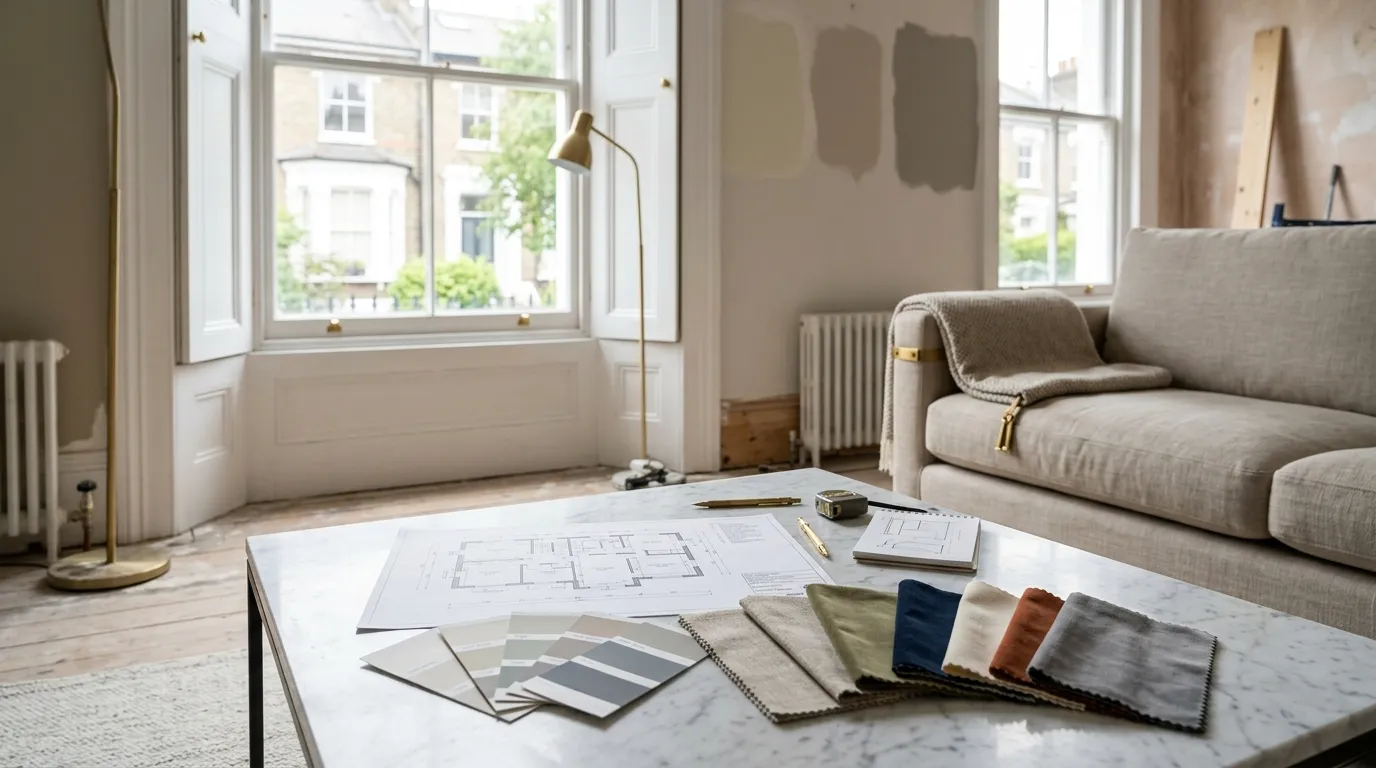
How Much Does an Interior Designer Cost in London in 2026?
What interior designers charge in London in 2026: hourly rates, day rates, per-room fees and percentage models, with real figures and what each one buys you.
Read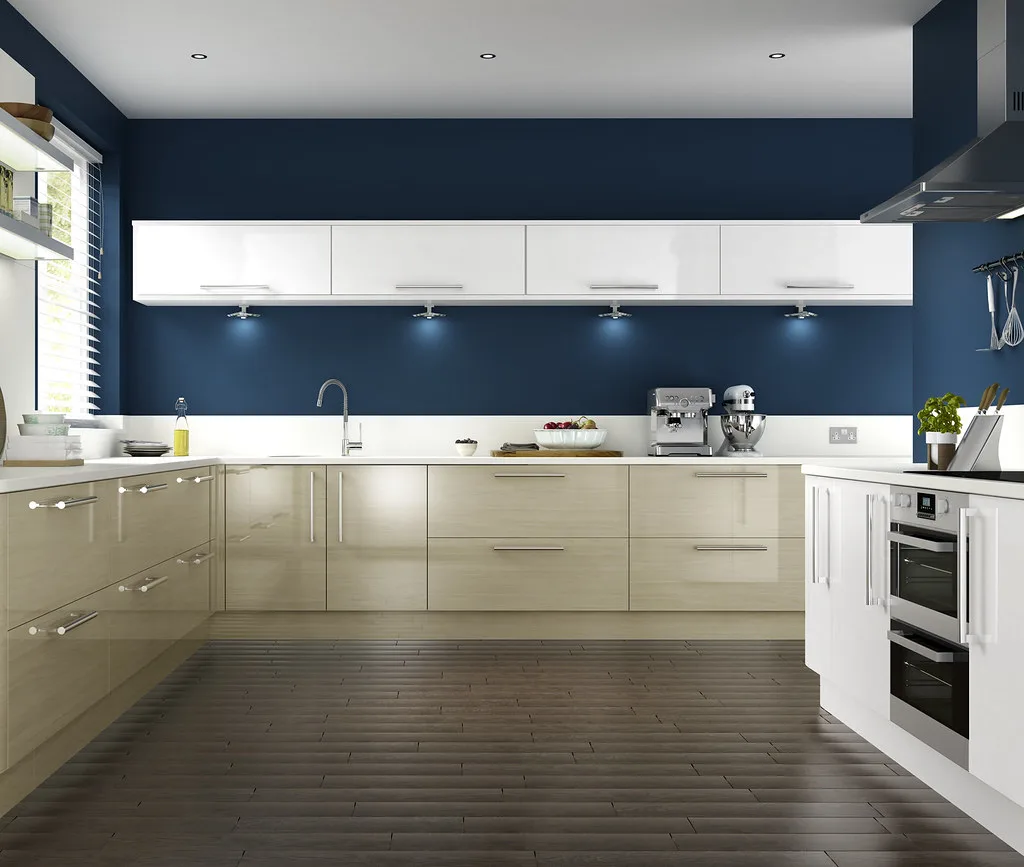
Navy Kitchen Ideas: Blue, Teal and Cobalt Cabinet Designs
Navy kitchen ideas that work: the best blue cabinet shades, worktop and hardware pairings, and how to use navy, teal and cobalt without dating the room.
Read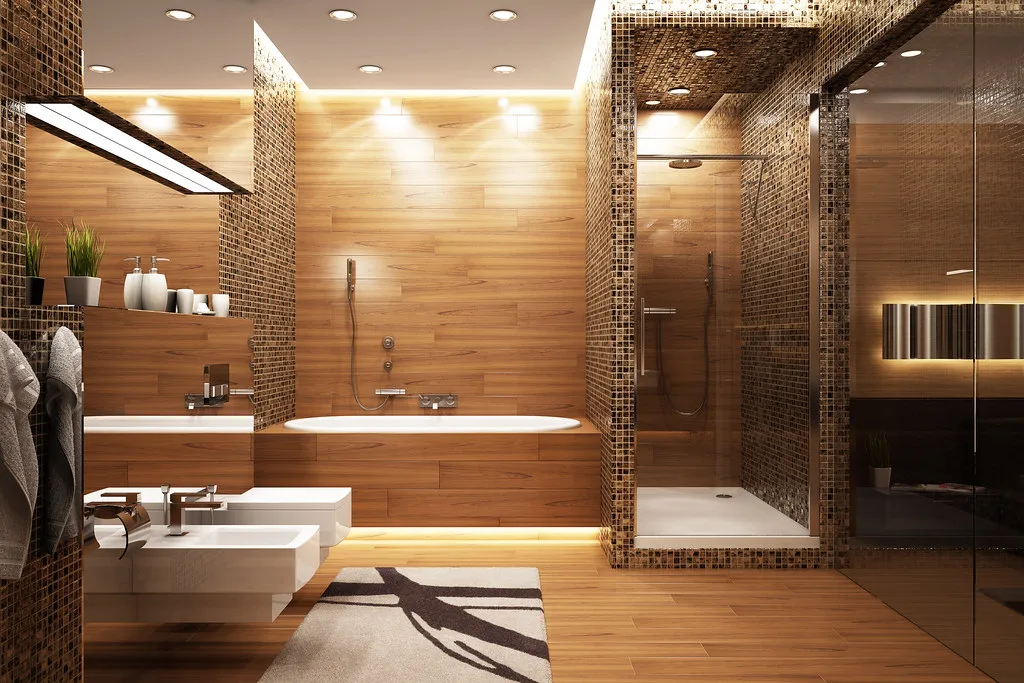
Gold and Brass Bathroom Accessories: How to Style Warm Metallics
How to choose and style gold bathroom accessories and brass fittings, from brushed vs polished finishes to mixing metals and avoiding tarnish.
Read