Luxury Bathroom Design: What It Takes to Create a High-End Feel
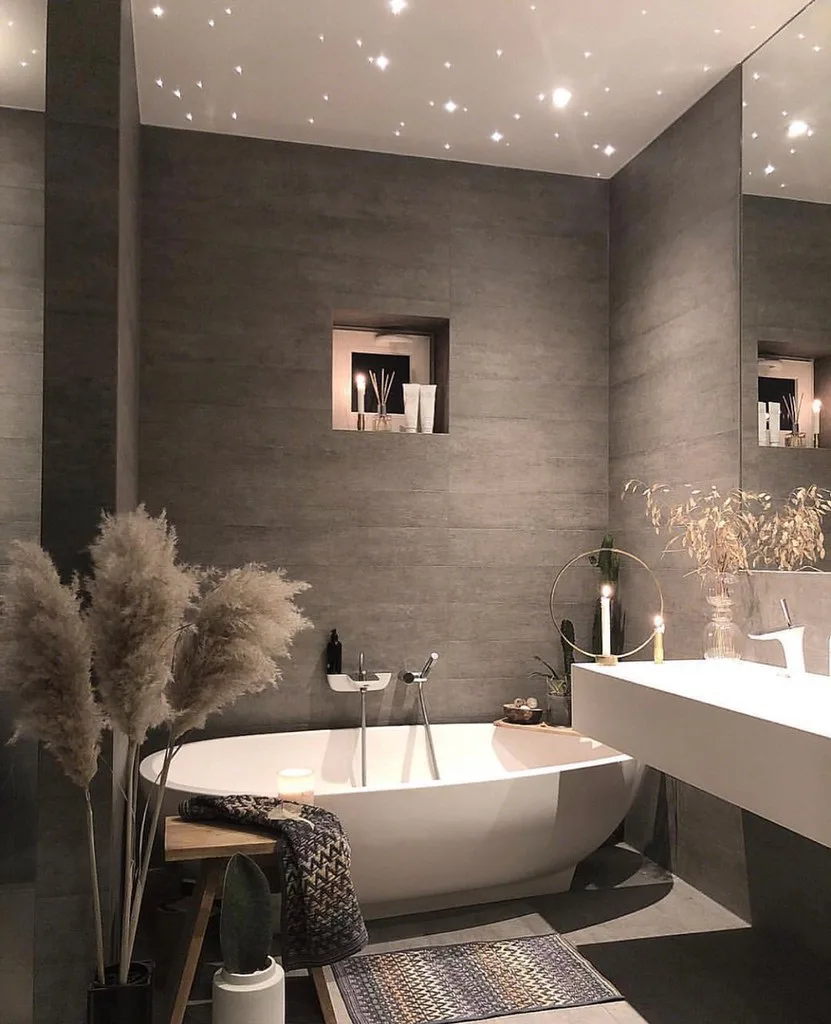
A luxury bathroom is not the one with the most expensive tap. It is the one that feels calm, considered and generous the moment you walk in, where every material, sightline and light source has been chosen to work together. That coherence is what separates a genuinely high-end bathroom from an ordinary one dressed up with a few pricey fittings. This guide sets out what actually creates that feeling, the materials and details that define luxury bathroom design in 2026, and where in a project the money is best spent.
Quiet luxury is the defining idea
The dominant direction in 2026 is what designers call quiet luxury: a space that reads as expensive without shouting about it. Think clean lines, solid-feeling pieces, and calm, restrained detailing rather than gloss and glitter. The mood is closer to a good spa or a boutique hotel bathroom than a showroom, and it is achieved through proportion and material quality, not decoration. The single most common mistake in a mid-range bathroom is trying to signal luxury with shiny finishes and busy patterns; the high-end look does the opposite.
That restraint is also why layout matters more than any product. A generous walk-in shower, a bath with breathing room around it, and clear runs of wall make a bathroom feel considered. If a plan feels cramped, no fitting will rescue it, which is where an experienced designer earns their fee. Our guide on what an interior designer costs in London sets out what that support involves.
Materials do most of the work
Luxury is read through surfaces, and 2026 leans firmly on natural materials. Warm, characterful stone is the headline: quartzites such as Taj Mahal, and bold marbles like Calacatta Viola and Arabescato, are the finishes designers reach for when they want a wall or vanity top to feel like the centrepiece. Where solid stone is not practical, large-format porcelain that convincingly mimics stone gives a similar sense of continuity with fewer maintenance worries.
The palette has warmed too. The cool grey bathroom has given way to browns, terracottas, soft greens and deep, darker blues, grounded by natural wood or wood-effect furniture that adds warmth underfoot and at eye level. This biophilic pull, bringing natural texture and colour indoors, is what gives a modern luxury bathroom its spa-like calm rather than a clinical edge.
One finish choice quietly signals quality: matt over gloss. Matt ceramics and brassware look softer, feel more refined, and have the practical advantage of hiding fingerprints and watermarks far better than high-gloss surfaces. It is a small decision that reads as expensive every day.
The spa details that separate high-end from ordinary
A handful of features do the heavy lifting in turning a bathroom into a retreat:
- A frameless glass shower. Frameless or minimal-framed enclosures keep sightlines clean and make even a modest room feel larger. It is one of the clearest markers of a considered bathroom.
- Underfloor heating. Warm stone or tile underfoot is the definition of everyday luxury, and it frees up wall space by removing the need for a large radiator.
- A freestanding bath. Given room to stand clear of the walls, it becomes a sculptural focal point rather than a fitting boxed into a corner.
- Layered lighting. A luxury bathroom is never lit by a single ceiling light. Task lighting at the mirror, a warm ambient layer, and a dimmer to shift the room from morning routine to evening soak is what creates the hotel-bathroom mood.
- Concealed storage. Clutter is the enemy of calm. Built-in niches, vanity storage and a place for everything keep surfaces clear, which is half of what makes a spa feel like a spa.
Get these right and the room feels resolved. Our roll-top bath ideas and bathroom taps guide go deeper on two of the pieces that most affect the final look.
Where the budget actually goes
It helps to know where money makes a visible difference and where it does not. The biggest gains come from the things you cannot easily change later: the layout, the shower and drainage, natural stone or quality porcelain, underfloor heating, and good lighting design. These are worth prioritising because they are structural and set the whole tone.
By contrast, accessories, coloured towels and decorative pieces are cheap to change and should never eat the budget early. A common and expensive error is spending on statement fittings while skimping on tiling, waterproofing or lighting, the very things that make those fittings look good. If you are planning the numbers, the renovation cost calculator and our note on interior design cost per room give a realistic starting point.
Finally, a genuinely high-end bathroom is also a well-built one. Waterproofing (tanking) behind tiles, correct falls to the drain in a wet-room shower, and proper ventilation are invisible when done well and ruinous when skipped. The trade body BEAMA and the wider guidance from the Bathroom Manufacturers Association is a useful reference point for standards. Luxury that leaks is not luxury.
Bringing it together
The through-line of luxury bathroom design is coherence: a warm, natural material palette, a layout with room to breathe, matt finishes, layered light and a few well-chosen spa features, all pulling in the same direction. Buy fewer things, buy them better, and spend where it cannot be undone. That is what creates a bathroom that feels high-end for years, not just on the day it is finished. If you want it planned properly, our guide to hiring an interior designer in London explains how that process works.
Frequently asked questions
What makes a bathroom look luxurious? Coherence rather than expensive fittings: a considered layout with room to breathe, natural materials like stone or quality porcelain, a warm restrained palette, matt finishes, layered lighting and a few spa features such as a frameless shower or freestanding bath. It is the combination, not any single item.
What are the luxury bathroom trends for 2026? Quiet luxury with clean lines, warm natural stone such as Taj Mahal quartzite and Calacatta Viola marble, a warmer palette of browns, terracottas, greens and deep blues, matt over gloss finishes, biophilic wood elements, frameless glass showers and underfloor heating.
How do I make my bathroom feel like a spa? Focus on calm and comfort: warm underfloor heating, soft matt finishes, layered and dimmable lighting, natural materials, plenty of concealed storage to keep surfaces clear, and a walk-in shower or freestanding bath. Reducing clutter and visual noise does most of the work.
Where should I spend the budget in a luxury bathroom? On the things you cannot change later: layout, the shower and drainage, natural stone or good porcelain, underfloor heating and lighting design, plus proper waterproofing and ventilation. Accessories and decorative pieces are cheap to change, so they should never take priority early.
Is natural stone worth it in a bathroom? It gives a genuinely high-end look that porcelain can only imitate, but it needs sealing and more care. Where practical, feature stone on a vanity top or a single wall; use large-format stone-effect porcelain elsewhere for a similar feel with less maintenance.
The Folio
Want more like this in your inbox?
One considered idea for your London home, every Thursday.
SubscribeMore from KDS London
All guides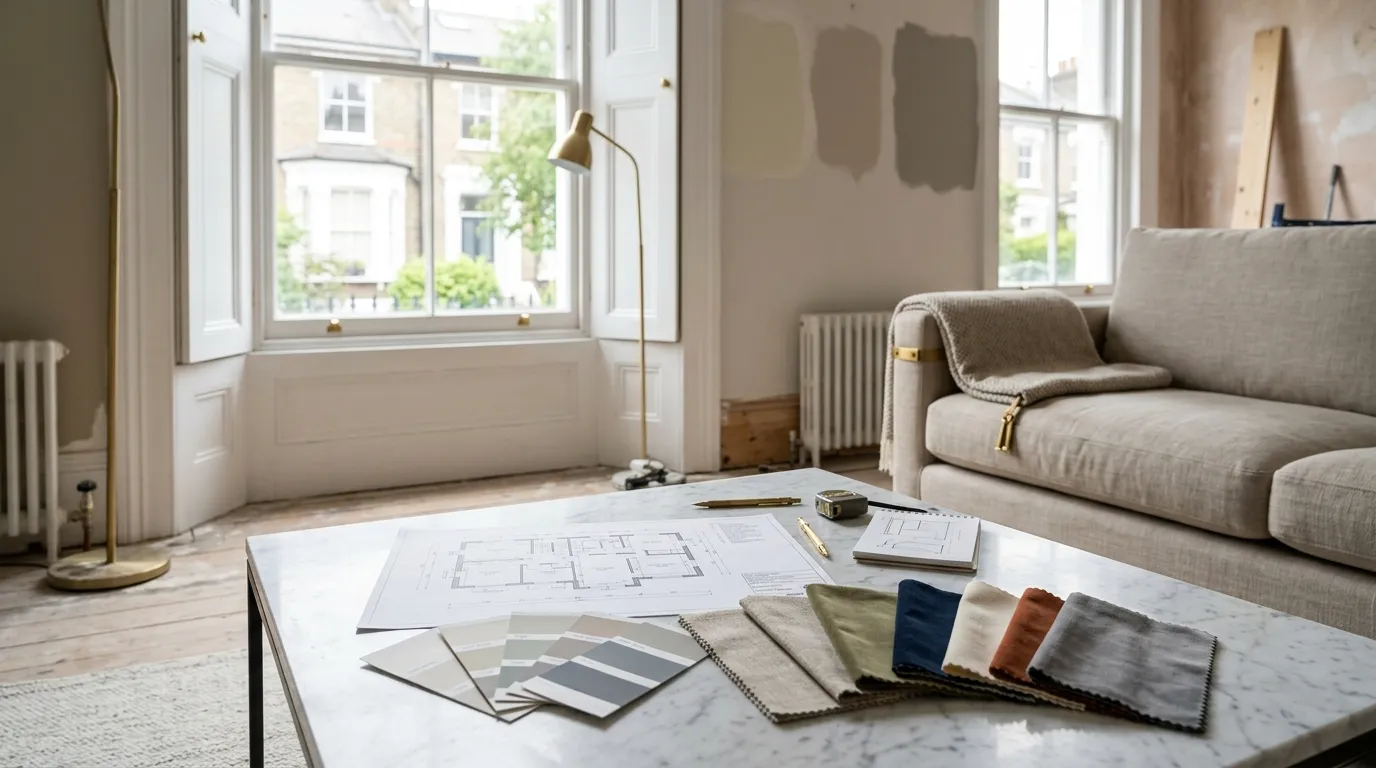
How Much Does an Interior Designer Cost in London in 2026?
What interior designers charge in London in 2026: hourly rates, day rates, per-room fees and percentage models, with real figures and what each one buys you.
Read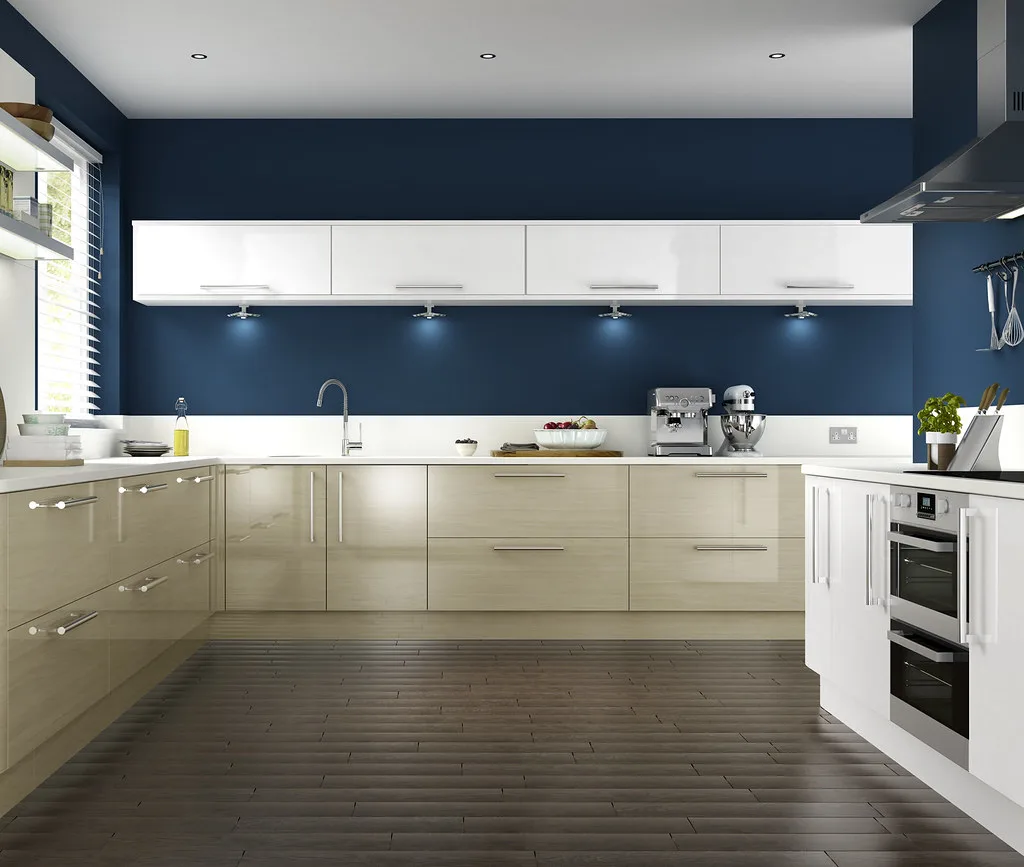
Navy Kitchen Ideas: Blue, Teal and Cobalt Cabinet Designs
Navy kitchen ideas that work: the best blue cabinet shades, worktop and hardware pairings, and how to use navy, teal and cobalt without dating the room.
Read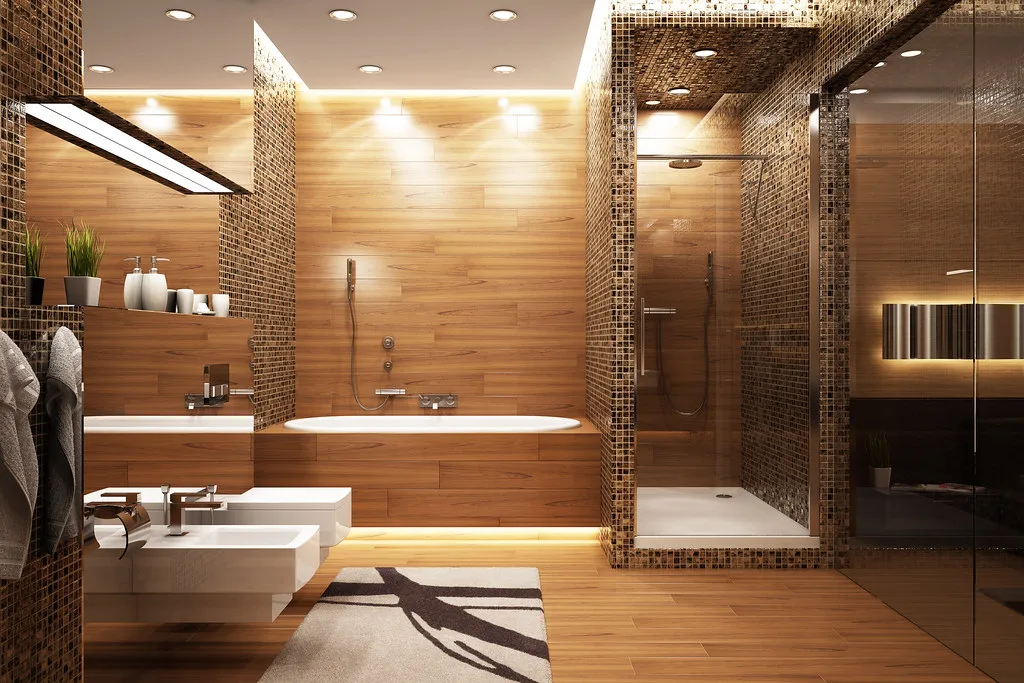
Gold and Brass Bathroom Accessories: How to Style Warm Metallics
How to choose and style gold bathroom accessories and brass fittings, from brushed vs polished finishes to mixing metals and avoiding tarnish.
Read