Bathroom Renovation Cost 2026: £7,000, £8,500 in London
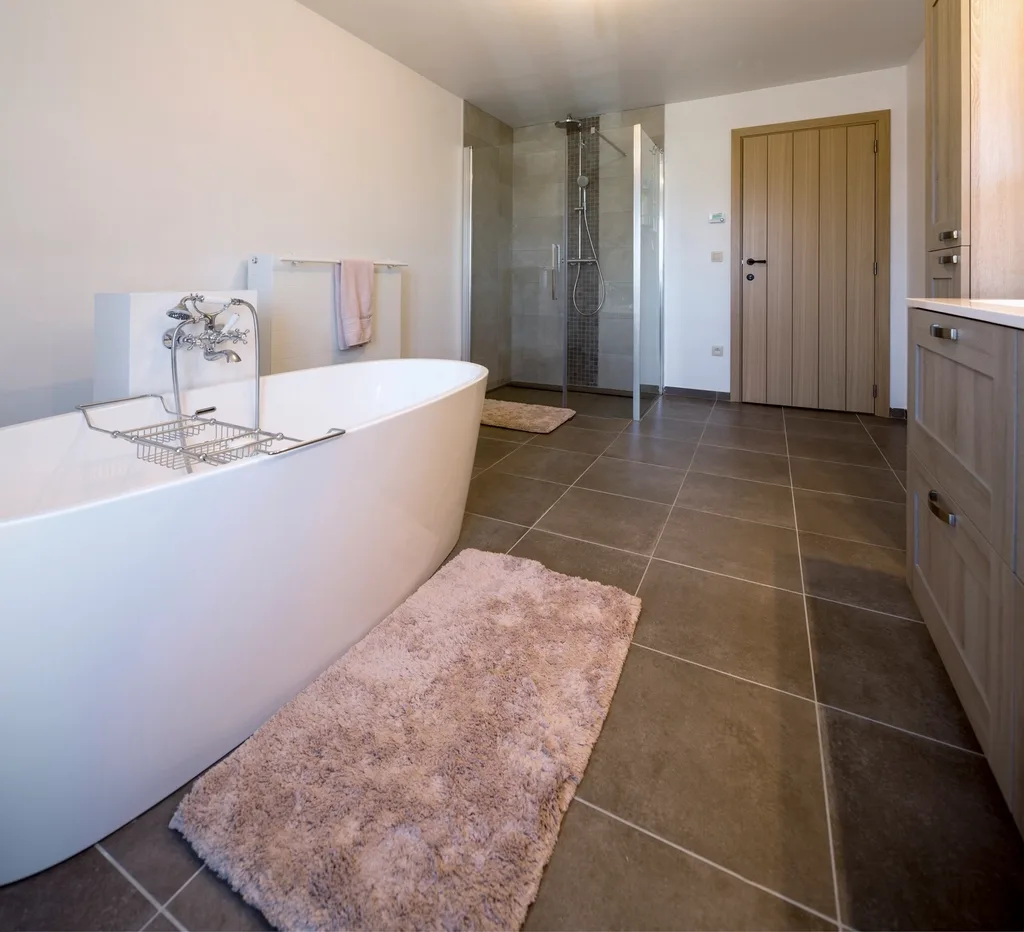
Bathroom renovation cost in 2026 lands at roughly £7,000 for a standard UK bathroom and closer to £8,500 in London, with the realistic full spread running from about £3,000 for a like-for-like swap of budget fittings to £15,000 and beyond for a large room with premium tiling and moved pipework. The gap between those two ends is not mostly about the bath you choose. It is about how much of the room you disturb.
This guide breaks the number into its parts, shows what the labour actually buys, and sets out the three decisions that move a bathroom budget by thousands rather than hundreds.
The 2026 price bands
These figures cover a complete bathroom including strip-out, fittings, plumbing, electrics, tiling, flooring and making good.
| Tier | Typical all-in cost | What that buys |
|---|---|---|
| Budget | £3,000 to £4,500 | Like-for-like swap, entry-level suite, part-tiled walls, vinyl or laminate floor |
| Standard | £6,000 to £8,000 | Mid-range suite, thermostatic shower, floor-to-ceiling tiling in the wet zone, new flooring |
| Premium | £11,000 to £15,000 | Better sanitaryware, large-format or porcelain tiling, fitted furniture, underfloor heating |
| High-end and structural | £15,000 upwards | Wet room construction, relocated soil pipe, bespoke joinery, stone |
The single-figure average sits at about £7,000, but averages are unhelpful here because the distribution is so wide. A small cloakroom refresh can be done for £2,200 to £5,500. A family bathroom with the layout changed is a different project entirely.
Where London sits
Roughly 20 per cent above the national average is the honest rule for our part of the market.
| Region | Typical new bathroom |
|---|---|
| London | around £8,500 |
| South East | around £7,200 |
| Midlands | around £6,300 |
| North West | around £5,900 |
| North East | around £5,500 |
The premium is labour, not materials. A bath from a national retailer costs the same in Hackney as in Halifax; the fitter’s day does not. It is the same pattern we see on kitchens, covered in our new kitchen cost guide, and on design fees in our interior designer cost in London breakdown.
There is a second London-specific factor that rarely gets mentioned: access. Flats above ground floor, no parking for a skip, restricted working hours in a mansion block and a stairwell that will not take a 1700mm bath all add days, and days are the unit of cost.
What the money is spent on
Labour is typically 45 to 60 per cent of a bathroom budget, which surprises people who have been pricing up suites online. On a kitchen, the units dominate. On a bathroom, the trades do.
- Labour, £1,800 to £4,000. Fitters charge in the region of £320 to £480 a day, and a standard bathroom is a six to eight day job. Anything involving a layout change or a wet room stretches to two or three weeks.
- Strip-out and disposal, £300 to £1,000. Removing the old suite, lifting tiles, and skip hire. In London the skip permit and the parking suspension are real line items.
- Specialist trades, £900 to £1,200. Electrics and tiling, often a separate person each.
- Tiling labour on a mid-sized bathroom, £950 to £1,250. Large-format tiles and mosaics both cost more to lay than a standard 300 by 600.
- Materials, 40 to 55 per cent of the total. Everything from the suite to the adhesive.
Individual supply and fit figures worth knowing: a three-piece suite installed runs £350 to £1,100, a toilet £175 to £350, and a shower enclosure £250 to £750. Ceramic wall tiles start around £15 to £20 per square metre, while porcelain and stone reach £60 and up.
The three decisions that actually move the number
Almost every bathroom overspend traces back to one of these.
One: whether you move the soil pipe. Keeping the toilet where it is may be the most valuable constraint in the whole project. The soil stack is fixed, it needs fall to work, and relocating a WC often means lifting floors, boxing in new runs and sometimes going outside the building. This one decision can be the difference between a £7,000 bathroom and an £11,000 one. Basins and baths are far more movable; the toilet is the anchor.
Two: bath, shower, or both. Removing the bath for a walk-in shower or a wet room means tanking the floor and often the lower walls, plus a properly formed fall to the drain. Tanking is not optional and not cheap, and a failure shows up in your neighbour’s ceiling. Our small bathroom with shower ideas covers the layouts that avoid the expense.
Three: how far the tiling goes. Floor-to-ceiling tiling across all four walls looks superb and roughly doubles both the tile bill and the tiling labour against a wet-zone-only scheme. Wall panelling is the alternative that has genuinely improved in the last few years, and our bathroom wood panel guide covers where it works and where it looks cheap.
The regulations that add cost, and are not optional
Two catch almost everyone.
Ventilation. A bathroom with a bath or shower needs mechanical extract at a minimum of 15 litres per second for an intermittent fan, or 8 litres per second for a continuous system, under Approved Document F. The fan must sit as high as practicable and no more than 400mm below the ceiling. An openable window does not remove the requirement in a new or refitted bathroom. If your current fan is a rattling 1990s unit, budget for a replacement and the ducting to take it outside properly.
Electrics. Bathroom electrical work is notifiable under the building regulations because of the zones around the bath and shower, so it must be done by a competent-person-scheme registered electrician or signed off by building control. The gov.uk building regulations approval pages set out when approval is needed. This is why “the plumber will do the spotlights” is a false economy: you want the certificate for your file, and your buyer’s solicitor will ask for it.
Planning permission is almost never required for a bathroom inside an existing footprint. Listed buildings and flats with a lease that restricts alterations are the exceptions, and both are common enough in London to be worth a check before you order anything.
Where to save, and where not to
Save on the bath. A standard steel or acrylic bath at the sensible end of the market performs almost identically to one at three times the price, because it is a container of water. Save on the tile size by choosing a format that lays quickly. Save by keeping the layout.
Do not save on the shower valve, the waste and the tanking. A cheap thermostatic valve is the fitting most likely to be replaced within five years, and a waste or a membrane that fails means the room comes apart again. The rule is that anything buried, or anything that fails wet, deserves the budget. Anything you can see and swap in an afternoon does not.
If you want the design resolved before the trades arrive, a designer’s fee is a real cost but a smaller one than a layout that gets changed halfway through. Our interior designer fees in the UK guide covers how those are structured, and modern bathroom design ideas is the place to start on the look.
Frequently asked questions
How much does a new bathroom cost in the UK in 2026? Around £7,000 for a standard bathroom fitted, with a budget like-for-like refit from about £3,000 and a premium bathroom at £11,000 to £15,000. In London expect roughly 20 per cent more, so about £8,500 for the standard specification. Size, tiling extent and whether pipework moves account for most of the variation.
How long does a bathroom renovation take? Six to eight days for a straightforward replacement in the same layout. A full project with a layout change, new flooring and extensive tiling runs to two or three weeks, and a wet room build with tanking and screed longer again. Add time in flats where access, lifts and working hours are restricted.
How much of a bathroom budget is labour? Between 45 and 60 per cent, which is far more than most people assume. Fitters charge roughly £320 to £480 a day, and electrics and tiling are usually priced separately at £900 to £1,200 on top. This is why the online price of a suite tells you very little about the final cost.
Does moving the toilet cost a lot? Yes, and it is usually the biggest single decision in the budget. The soil pipe needs fall to work, so relocating a WC means new runs under the floor, boxing in, and sometimes work to the external stack. Keeping the toilet in place while moving the bath and basin is the compromise that keeps most projects on budget.
Do I need building regulations approval for a new bathroom? Not for the bathroom as a whole if you are refitting inside the existing room, but the electrical work is notifiable and must be certified, and the ventilation has to meet Approved Document F, which is 15 litres per second for an intermittent extract fan. Planning permission is not normally needed unless the property is listed.
Is it cheaper to renovate a bathroom without moving anything? Substantially. A like-for-like swap keeps the plumbing, the electrics and the floor largely intact, which is what pulls a project down towards the £3,000 to £4,500 band. Every service you move adds a trade visit, and every trade visit adds a day at London rates.
Sources
The Folio
Want more like this in your inbox?
One considered idea for your London home, every Thursday.
SubscribeMore from KDS London
All guides
How Much Does an Interior Designer Cost in London in 2026?
What interior designers charge in London in 2026: hourly rates, day rates, per-room fees and percentage models, with real figures and what each one buys you.
Read
Navy Kitchen Ideas: Blue, Teal and Cobalt Cabinet Designs
Navy kitchen ideas that work: the best blue cabinet shades, worktop and hardware pairings, and how to use navy, teal and cobalt without dating the room.
Read
Gold and Brass Bathroom Accessories: How to Style Warm Metallics
How to choose and style gold bathroom accessories and brass fittings, from brushed vs polished finishes to mixing metals and avoiding tarnish.
Read