Interior Designers Chelsea and Knightsbridge: 5 Local Rules
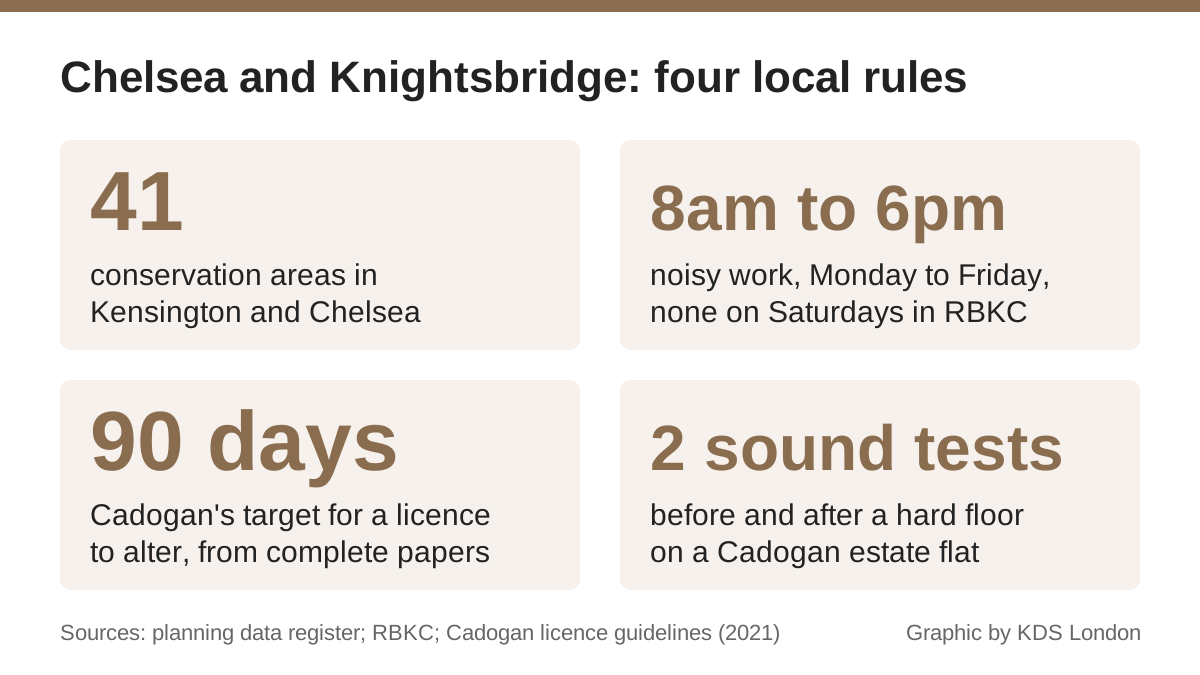
Interior designers in Chelsea and Knightsbridge work under a set of rules that most London projects never meet. Kensington and Chelsea bans noisy building work on Saturdays, many homes are held on Cadogan estate leases that need its licence before anyone lifts a floorboard, and that licence can require acoustic tests before a hardwood floor goes down. Knightsbridge adds a second council, because the border with Westminster runs through it. A designer who has worked here before will build all of this into the programme; one who has not can lose you months.
KDS London is an independent guide, not a design studio, so this is not a list of firms. It sets out what shapes a project in SW3, SW10, SW1X and SW7, and what to ask a designer before you hire them. Our wider page on interior designers across London’s boroughs compares the rest of the city.
1. Find out which council you are dealing with
Chelsea is wholly in the Royal Borough of Kensington and Chelsea (RBKC). Knightsbridge is split: the streets around Hans Place, Cadogan Square and Pont Street are in RBKC, while the north side towards Hyde Park, Albert Gate and Knightsbridge Green fall in the City of Westminster.
Most of the area is in a conservation area. The government’s planning data register lists 41 in Kensington and Chelsea, among them Hans Town, Sloane Square, Sloane/Stanley, Chelsea Park/Carlyle, Cheyne, Royal Hospital, Thames, The Billings, Lots Village and Chelsea Estates. On the Westminster side it lists Knightsbridge, Knightsbridge Green, Albert Gate and Belgravia.
For purely internal work this matters less than people fear: internal alterations generally do not need planning permission, even in a conservation area, as our planning permission page explains. It matters when the job touches the outside (windows, a new flue, an extractor vent, an air-conditioning unit) or when the building is listed, in which case interior changes that affect its character need listed building consent.
2. No noisy work on Saturdays in RBKC
Kensington and Chelsea’s permitted hours for noisy building work, meaning work that can be heard at the site boundary, are 8am to 6pm, Monday to Friday. Noisy work is not allowed at any time on Saturdays, Sundays or bank holidays. The council removed Saturdays when it brought in its Code of Construction Practice in 2016.
Most London boroughs allow Saturday mornings, so a programme planned elsewhere loses a half day every week here. On a 20-week strip-out and refit, that is ten mornings. Ask the designer how they schedule the noisy stages (demolition, chasing walls, screeding) and whether the contractor they suggest knows the RBKC code.
If you live in a flat, the lease may be stricter still, and on the Cadogan estate the landlord reserves the right to cut the hours for high-impact noisy work further.
3. Cadogan’s licence to alter
Cadogan owns and manages a large property portfolio across Chelsea and Knightsbridge, so a lot of flats and houses here are held on Cadogan leases. If yours is one of them, you need the estate’s licence for alterations before work starts. Cadogan’s published guidelines (the 2021 edition on its website) set out what that involves:
- Drawings: an “as existing” and an “as proposed” set, to scale, titled, dated and numbered, sent as PDF only. They must show drainage and waste pipe routes, ventilation ductwork and where it exits (behind a terracotta or painted cast-iron airbrick), all floor finishes, and any structural work with an engineer’s report and calculations.
- External pipework: new external pipework will not normally be permitted, which can decide where a new bathroom goes.
- Air conditioning: the position of all external plant, plus an acoustic engineer’s report showing the council’s noise limits will be met.
- Costs: an administrative charge of £1,000 plus VAT, solicitors’ fees typically around £1,000 plus VAT for a routine licence, and possibly a managing agent’s charge of £1,000 plus VAT. These are payable whether or not the application completes. The estate can also recharge fees for its own structural, services or acoustic reviewers, a schedule of condition of the common parts, a monitoring surveyor and a damage deposit.
- Timing: Cadogan aims to comment within five working days and conclude licences within 90 days of receiving complete information. If the licence is not completed within six months of its solicitors being instructed, the estate can treat the application as withdrawn and charge the abortive costs.
Those figures date from 2021, so ask Cadogan’s building surveying team for the current charges before you budget. The point for your designer: the licence drawings are real design work, and the 90-day target only starts once the information is complete. A designer who has done Cadogan applications will produce them in the estate’s format first time.
Other estates own parts of the area too, and a mansion block may have a head lease or a Right to Manage company; Cadogan says to go through the headlessor or RTM company first in that case. Send your lease to the designer before you agree fees.
4. Hardwood floors need sound tests
This is the rule that catches people out. Where a lease allows hard floors at all, Cadogan’s guidelines require sound tests before any work starts, for both airborne sound (BS EN ISO 16283-1) and impact sound (BS EN ISO 16283-2), in every room getting the new floor, by a member of the Institute of Acoustics or the Association of Noise Consultants. A second test follows on completion.
The new floor has to perform at least as well as what was there before. If the existing carpet and underlay beat the Building Regulations minimum (43dB airborne, 64dB impact), the carpet sets the bar, not the regulations. The floor must also be designed without needing access to the ceiling of the flat below. If the finished floor fails, the estate can make you put carpet back, and the licence carries a nuisance clause that lets it require the floor to be covered if neighbours are disturbed.
Even off the Cadogan estate, many Chelsea and Knightsbridge mansion block leases ban or restrict hard floors. Ask a designer how they have handled acoustic floor build-ups before, and get the floor specification settled before the joinery and door heights are drawn, because a floating floor can add height.
5. Period houses, mews and listed interiors
Chelsea’s housing is mostly Georgian and Victorian terraces, mews houses and red-brick mansion blocks. Many are listed, and listing protects the interior: fireplaces, cornices, staircases, panelling and plan form. Removing or changing them can need listed building consent, and doing listed work without consent is a criminal offence. Ask for a finished project where the designer obtained listed building consent, and who wrote the heritage statement.
Terraces and mews share party walls, so cutting into one usually means serving notice under the Party Wall etc Act 1996. Basements are tightly restricted under RBKC’s planning policy and are a planning and engineering project, not an interior one; if a basement is on the table, an architect should lead.
Where Chelsea designers source
You are close to London’s biggest cluster of trade showrooms. The Design Centre Chelsea Harbour on Lots Road (SW10) is open to everyone, free, from 9.30am to 5.30pm on weekdays, closed at weekends, and many designers bring clients there to choose fabrics, wallpapers, lighting and furniture. The King’s Road and Pimlico Road have antique and furniture dealers of their own. A designer’s trade accounts can mean better prices than you would get walking in, so ask how they charge for sourcing: a mark-up, a passed-on trade discount, or a flat fee. Our London interior designer cost page explains the common fee models.
Questions to ask a Chelsea or Knightsbridge designer
- Which projects have you finished in RBKC, and was any on a Cadogan or other estate lease?
- Who prepares the licence for alterations drawings, and is that in your fee?
- How will you programme the noisy work with no Saturdays?
- Have you specified an acoustic floor that passed pre- and post-installation sound tests?
- Have you obtained listed building consent for interior work, and can I see that project?
- How do you charge for items sourced from trade showrooms?
Start your shortlist with the BIID’s directory of members, then use our seven checks before you pay and the full hiring process. A designer does not need an office in Chelsea, but they do need a finished job in a building like yours.
Frequently asked questions
Do I need planning permission for interior design in Chelsea? Purely internal work generally does not need planning permission, even in a conservation area. External changes such as windows, flues, vents and air-conditioning units may, and in a listed building interior changes that affect its character need listed building consent.
Can builders work on Saturdays in Kensington and Chelsea? Not on noisy work. RBKC allows noisy building work only from 8am to 6pm, Monday to Friday, and not at all on Saturdays, Sundays or bank holidays. Quiet work such as painting may be allowed, but check your lease.
How long does a Cadogan licence to alter take? Cadogan’s guidelines say it aims to conclude licences within 90 days of receiving all the required information, with comments on proposals usually within five working days. Incomplete drawings restart the clock.
How much does a Cadogan licence to alter cost? Cadogan’s 2021 guidelines list a £1,000 plus VAT administrative charge and solicitors’ fees typically around £1,000 plus VAT for a routine licence, with extra charges possible for managing agents, specialist reviews and surveys. Check current figures with Cadogan.
Can I put a wooden floor in a Chelsea flat? Only if the lease allows it. On the Cadogan estate you also need sound tests before and after, and the new floor must match the sound insulation of the old one, often carpet and underlay. If it fails, carpet can be required.
Is Knightsbridge in Kensington and Chelsea or Westminster? Both. The southern streets around Hans Town and Cadogan Square are in Kensington and Chelsea; the area north towards Hyde Park, including Albert Gate and Knightsbridge Green, is in Westminster.
Sources
Planning data register (conservation areas, Kensington and Chelsea and Westminster); Royal Borough of Kensington and Chelsea guidance on permitted hours for noisy works; Cadogan licence to make alterations guidelines (2021); Cadogan “about us”; Design Centre Chelsea Harbour visitor information; GOV.UK party wall guidance. Read 6 November 2026.
The Folio
Want more like this in your inbox?
One considered idea for your London home, every Thursday.
SubscribeMore from KDS London
All guides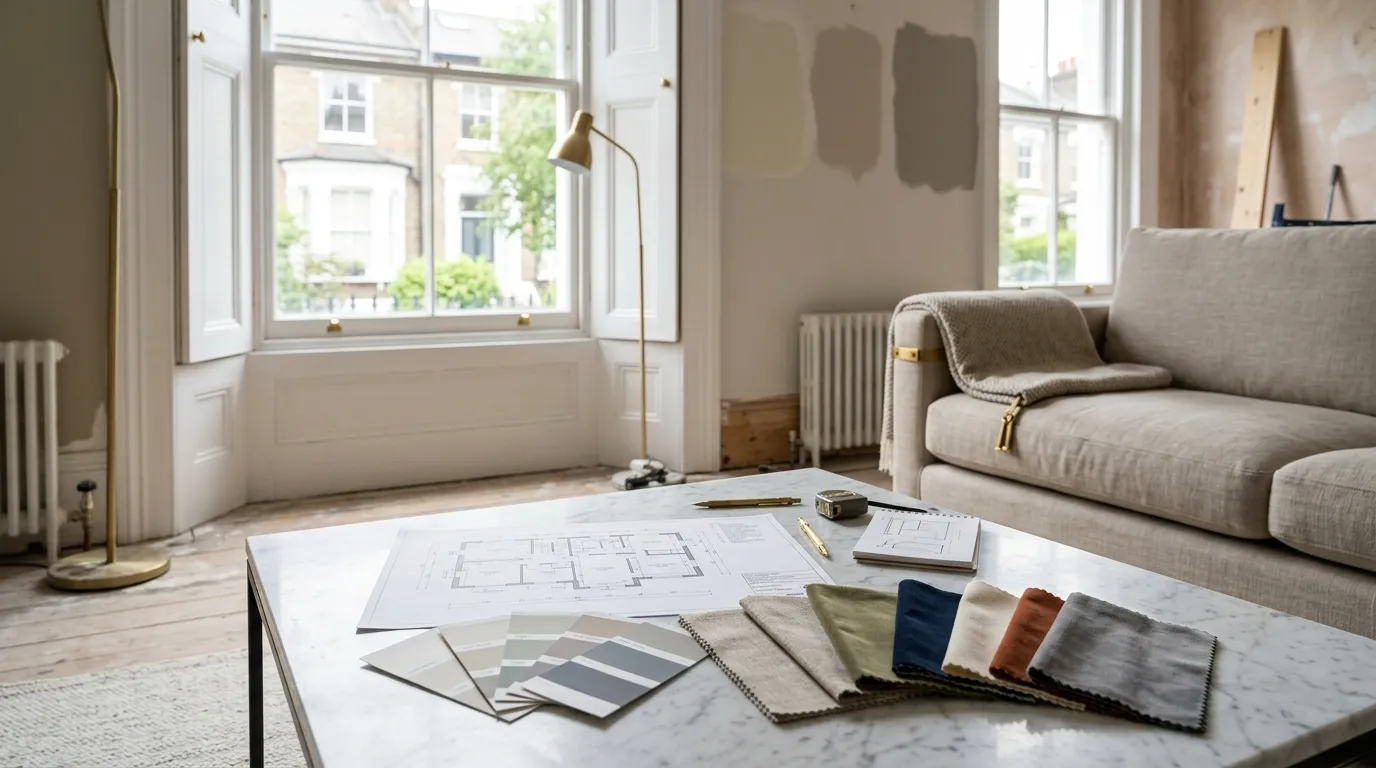
How Much Does an Interior Designer Cost in London in 2026?
What interior designers charge in London in 2026: hourly rates, day rates, per-room fees and percentage models, with real figures and what each one buys you.
Read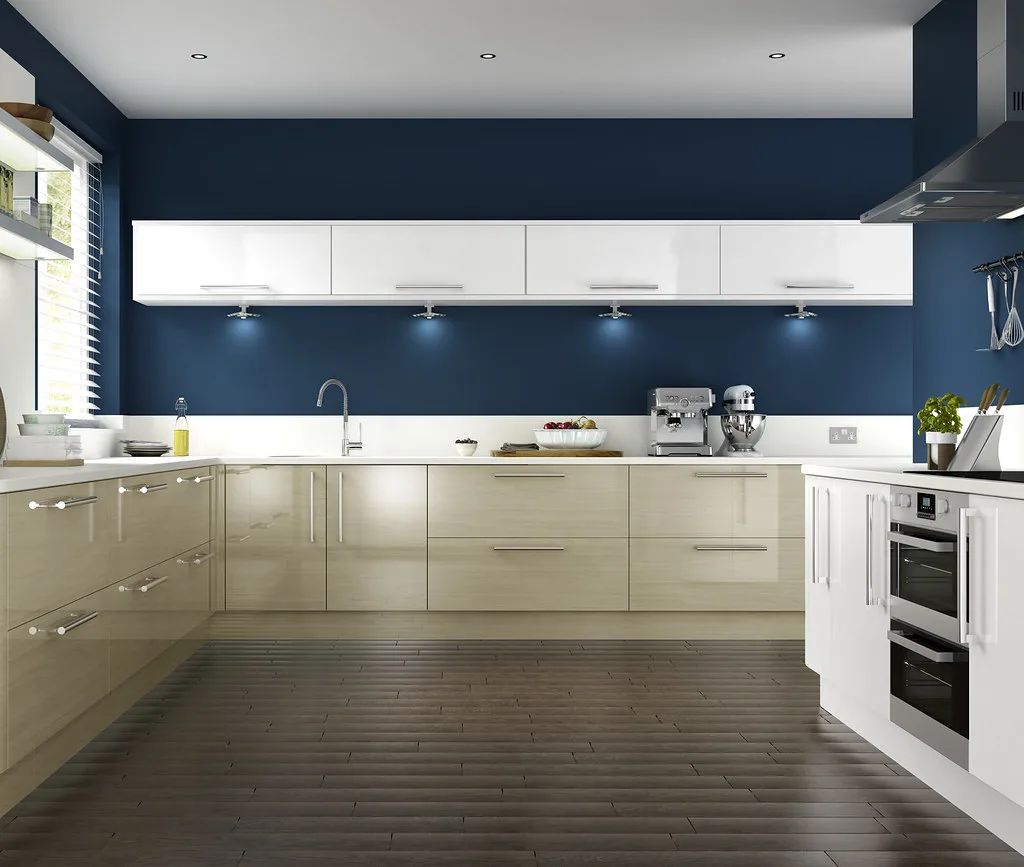
Navy Kitchen Ideas: Blue, Teal and Cobalt Cabinet Designs
Navy kitchen ideas that work: the best blue cabinet shades, worktop and hardware pairings, and how to use navy, teal and cobalt without dating the room.
Read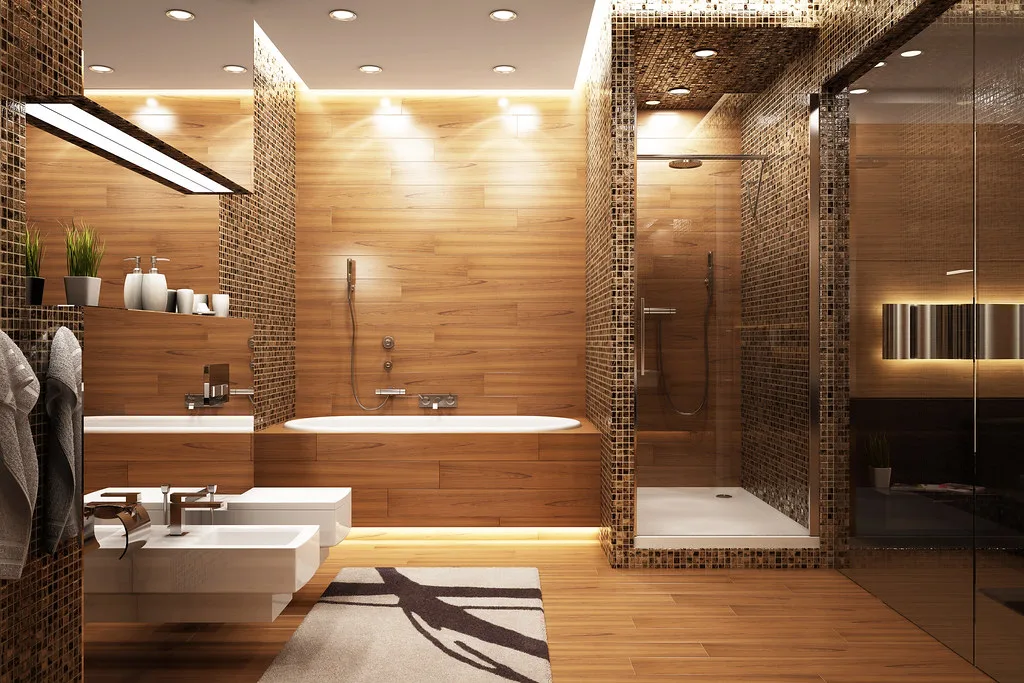
Gold and Brass Bathroom Accessories: How to Style Warm Metallics
How to choose and style gold bathroom accessories and brass fittings, from brushed vs polished finishes to mixing metals and avoiding tarnish.
Read