Shaker Kitchen: Style, Costs and Design Ideas
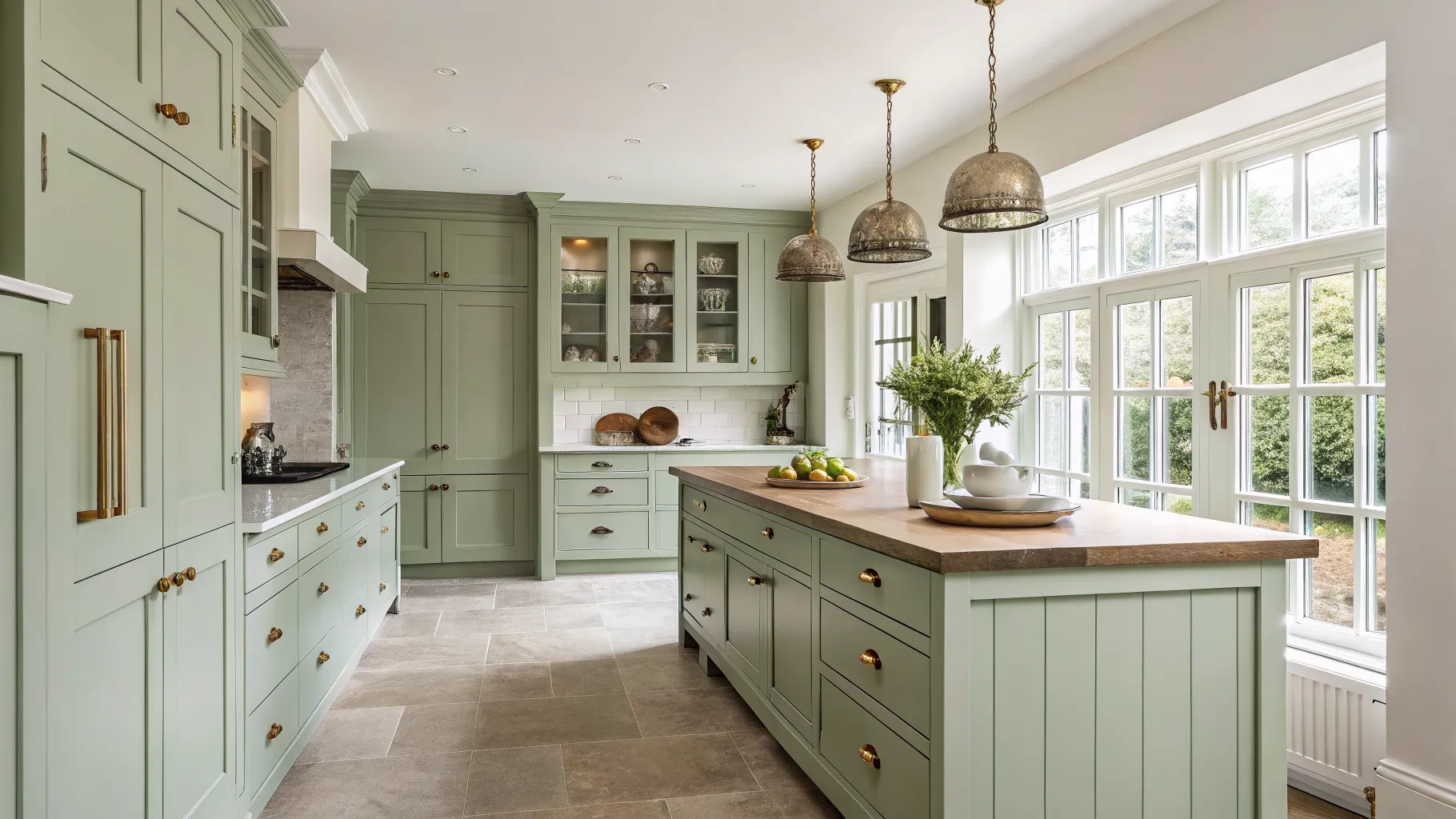
A Shaker kitchen is the most quietly reliable choice in British interiors: a square-framed door with a flat, recessed centre panel, almost no ornament, and proportions that look right in a Victorian terrace and a new build alike. It has been the default for a decade because it does not date, it takes colour beautifully, and it works across budgets from flat-pack to fully bespoke. This guide explains what actually defines the style, the cost ladder from cheapest to dearest, and the design choices that decide whether your Shaker kitchen looks considered or generic.
We work with London clients on exactly these decisions, so this is written from the designer’s side of the table: where the money goes, where it is wasted, and what makes the difference in a real room.
What is a Shaker kitchen?
The Shaker style comes from the 18th-century Shaker communities, whose making philosophy was that every object should be useful and free of unnecessary decoration. The kitchen door that carries their name is a five-piece design: four frame pieces around a single flat, recessed panel. That is the whole idea. No raised mouldings, no carving, no gloss for its own sake.
Because the door is so plain, it becomes a backdrop rather than a statement, which is why it accepts almost any treatment: painted muted neutrals, deep jewel colours, or a low-sheen wood grain. The frame keeps even a bold colour from looking fussy. That flexibility, not any single look, is the real reason the Shaker kitchen has stayed dominant.
In-frame vs lay-on: the choice that drives the price
Not all Shaker doors are built the same way, and this is the single biggest cost lever.
- In-frame doors and drawers sit inside a solid timber face frame fixed to the cabinet, the way fine furniture is made. The reveals are tight and even, the whole carcase feels solid, and it is unmistakably the premium construction. It is also the most labour-intensive, so it sits at the top of the price ladder.
- Lay-on (or frontal) Shaker doors sit on the front of the cabinet with no face frame behind them. You get the same five-piece look for far less money and labour. Many ranges sold simply as “Shaker” are lay-on.
- Slim or micro Shaker narrows the frame for a more contemporary, pared-back line. A moulded slim-Shaker door gives a similar effect to a true timber in-frame at a fraction of the cost, which is why it has become so popular.
Knowing which of these you are quoted for matters, because two kitchens that look almost identical in a brochure can differ wildly in price and feel based purely on this.
What a Shaker kitchen costs
Shaker sits in the mid-range of door styles: dearer than a plain slab flat-pack, cheaper than precision handleless or high-gloss, which typically cost more because of the manufacturing tolerances involved. Within Shaker, the spread is huge and tracks the construction above.
At the budget end, flat-pack lay-on Shaker units from the big retailers are genuinely affordable. In the middle sit better-made lay-on and slim-Shaker ranges with solid timber frames. At the top, bespoke in-frame Shaker made for your room is a different proposition: a complete high-end London installation commonly runs from around £25,000 to £65,000, and projects with solid timber internals and stone worktops can exceed £85,000. The numbers move with cabinet count, worktop choice and appliances more than with the door alone, so treat them as a guide, not a quote.
For how costs break down room by room, see our kitchen interior design cost in London guide.
Design ideas that make a Shaker kitchen feel bespoke
The plainness of the door is an opportunity. These are the choices that separate a thoughtful Shaker kitchen from a builder-standard one.
Lead with colour, not the door. Because the frame is so calm, deep colours work without overwhelming the room. Muted sage, soft clay and putty neutrals read timeless; navy, forest green and plum give a confident focal point, often best used on an island or the lower units with a lighter tone above.
Keep the hardware quiet. Aged brass or bronze cup pulls and knobs are the classic cue. For a more current feel, push latches and slim integrated pulls let the Shaker fronts stay clean and the room read modern without losing the style.
Use the wall height. Floor-to-ceiling Shaker cabinetry is one of the strongest looks for 2026, giving generous storage and a built-in, furniture-like presence rather than a row of wall units floating above a gap.
Bring in a low-sheen wood. Stained or oiled timber Shaker, kept to a low sheen, adds warmth that paint cannot, and pairs well with a painted island for contrast.
Light it properly. Under-cabinet strips, a pair of pendants over an island and a lit glazed display cabinet do more for the finished feel than almost any other spend. This is the cheapest way to make a mid-range Shaker kitchen look considered.
Mix in a freestanding piece. A dresser or a freestanding island breaks up the run of fitted units and gives the room the unfitted, collected look that suits period homes.
For the wider classic look, including Belfast sinks and heritage palettes, read our traditional kitchen design guide, and if your space is tight see small kitchen design ideas.
Is a Shaker kitchen still a good choice?
Yes, for most homes. The style’s whole strength is that it does not chase trends: the door is a quiet frame you can recolour or restyle years later without ripping it out. If you want something more modern, slim-Shaker and handleless detailing keep the cue while moving the look on. The mistake to avoid is buying the cheapest lay-on units and then under-spending on the things that actually carry the room, worktop, hardware and lighting. Get those right and a Shaker kitchen looks expensive at almost any budget.
For an authoritative background on the style’s origins, the Victoria and Albert Museum holds Shaker furniture in its collections, and Which? publishes independent kitchen-buying research.
Frequently asked questions
What is a Shaker kitchen? A Shaker kitchen uses a five-piece door with a square frame around a flat, recessed centre panel and no extra ornament. The style comes from 18th-century Shaker communities who valued usefulness over decoration. Because the door is so plain, it suits painted neutrals, bold colours and wood grain alike, which is why it stays popular.
What is the difference between in-frame and lay-on Shaker? In-frame doors sit inside a solid timber face frame fixed to the cabinet, like fine furniture, giving tight reveals and a premium feel at a higher price. Lay-on doors sit on the front of the cabinet with no frame behind, giving the same look for much less. Slim or micro Shaker narrows the frame for a more modern line.
How much does a Shaker kitchen cost in the UK? Shaker is a mid-range door style. Budget flat-pack lay-on units are affordable, while bespoke in-frame Shaker in London commonly runs from around £25,000 to £65,000 for a full installation, and more with solid timber internals and stone worktops. Cabinet count, worktops and appliances move the total more than the door style alone.
What colours work best for a Shaker kitchen? The plain frame suits both calm neutrals and bold colours. Muted sage, clay and putty read timeless, while navy, forest green and plum give a strong focal point, often used on an island or lower units with a lighter tone above. The frame keeps even a deep colour from looking fussy.
Is a Shaker kitchen out of style? No. The Shaker kitchen remains the default classic choice because the door is a quiet frame that does not date and can be recoloured or restyled later. For a more contemporary version, slim-Shaker and handleless detailing keep the look current. The key to a lasting result is spending well on worktop, hardware and lighting.
The Folio
Want more like this in your inbox?
One considered idea for your London home, every Thursday.
SubscribeMore from KDS London
All guides
How Much Does an Interior Designer Cost in London in 2026?
What interior designers charge in London in 2026: hourly rates, day rates, per-room fees and percentage models, with real figures and what each one buys you.
Read
Navy Kitchen Ideas: Blue, Teal and Cobalt Cabinet Designs
Navy kitchen ideas that work: the best blue cabinet shades, worktop and hardware pairings, and how to use navy, teal and cobalt without dating the room.
Read
Gold and Brass Bathroom Accessories: How to Style Warm Metallics
How to choose and style gold bathroom accessories and brass fittings, from brushed vs polished finishes to mixing metals and avoiding tarnish.
Read