Small Bathroom Design Ideas: Layouts and Storage for Tight Spaces
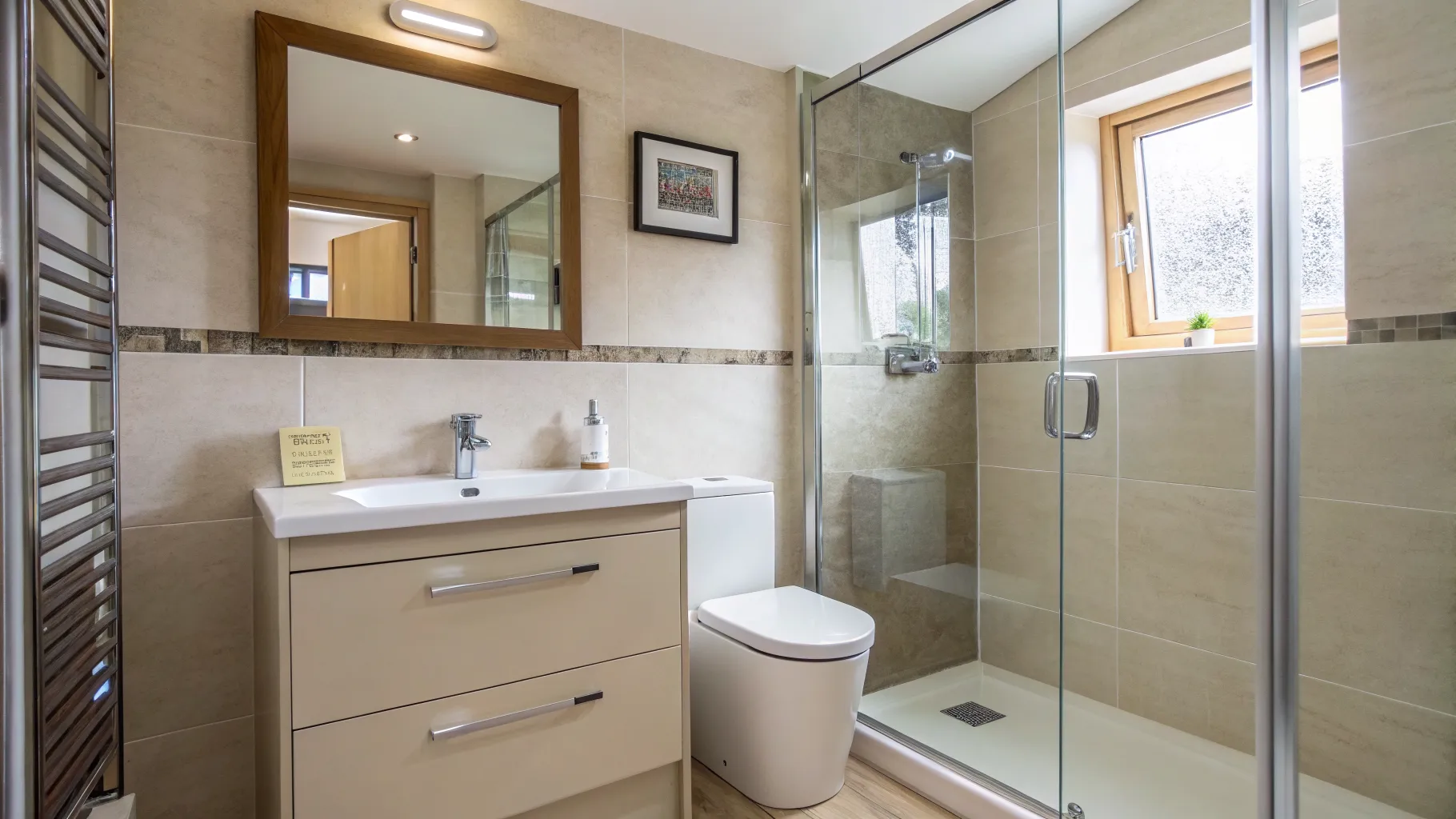
Good small bathroom design is not about cramming more in. It is about choosing fewer, better-placed pieces so the room feels open and works every day. The difference between a poky bathroom and a clever one usually comes down to a handful of decisions about layout, fittings and light, none of which need a big budget. Here is how to get them right.
Layouts that buy back floor space
In a tight room, the fittings you choose change how big it feels far more than the actual dimensions. The biggest wins:
- Wall-hung toilet and basin. Mounting the loo and the sink off the wall reveals more floor, and seeing more floor is what makes a room read as larger. It also makes cleaning quicker.
- A corner or slim basin. A corner sink or a slim-profile wall-hung basin frees up the middle of the room, which is where you actually move around.
- A pocket or sliding door. A door that swings inward eats usable space. Swapping it for a sliding or pocket door reclaims that whole arc of wall.
- Shower in the corner. For a small shower room, a single glass panel or a quadrant enclosure in the corner keeps the footprint tight while still feeling open.
If your bathroom is long and narrow, putting the shower at the far end behind a wall-to-wall glass screen creates a walk-in feel and keeps the entry clear.
A freestanding tub is not off the table either. A shorter, wall-set model reads as less bulky than a boxed-in bath because the eye sees floor running underneath it, so roll-top baths in small bathrooms can work when you pick the size and placement carefully.
Storage built in, not bolted on
The mistake in most small bathrooms is treating storage as an afterthought. The good ones build it into the structure from the start.
Recessed niches set into a stud wall give you somewhere for bottles and toiletries without stealing a single centimetre of floor. A mirror cabinet recessed into the wall does the same for everyday items while keeping a flat, clean profile. And the dead space above the toilet is worth claiming with a slim over-toilet cabinet or shelving.
Floating vanity units are the single most useful piece: they hide the clutter under the basin while keeping the floor visible beneath them, which is exactly the trick that makes the room feel bigger. If you are weighing up cabinets, our wooden bathroom cabinets guide covers what lasts in a damp room.
Tiles, colour and light
Light, warm tones on walls and floors are the foundation. Dark colours can look dramatic in a big bathroom, but in a compact one they absorb light and shrink the room. Bring interest through texture rather than strong colour, and let a gloss-finish tile bounce light around.
Two layout tricks worth knowing: vertical tiles on the back wall draw the eye up and add a sense of height, and large-format tiles mean fewer grout lines, which keeps a small space calm rather than busy. Avoid high-contrast grout in a tight room, as it turns every tile into a hard outline and makes the pattern feel cluttered.
Finally, a large mirror does more than any single fitting to open up the room, effectively doubling the visual space and the light.
Mistakes that make a small bathroom worse
A few popular ideas backfire in a tight space:
- Going full wet room. In a small bathroom, water spreads across the whole floor. A fixed glass panel that keeps water inside the shower is more practical than tanking the entire room.
- Too much glass. A full glass box shows every water spot and fingerprint, and needs constant wiping. Use enough glass to feel open, not so much that cleaning takes over your life.
- Busy, high-contrast tiling. Heavy floor patterns and clashing tiles overwhelm a small footprint. Keep the boldness for one feature area at most.
For anything involving electrics near water, follow the rules: bathroom electrical zones and ventilation are covered by the Building Regulations, and the Planning Portal sets out what applies. Get a qualified electrician for anything in the wet zones.
Planning your spend
Small does not automatically mean cheap, because the cost sits in the fittings and the labour rather than the floor area. Wall-hung units, frameless glass and quality tiles all cost more than the basic versions, but in a small room you are buying fewer of them, so it is often where to put the money. Our interior design cost per room guide and the interior design budget planner help you sense-check where your budget should go before you commit.
If you are renovating more than one room, the same principles of light, built-in storage and restrained colour carry over. Our small kitchen design ideas guide applies the same thinking to the other tight room in most homes.
Frequently asked questions
What is the best layout for a small bathroom? The best small bathroom layouts use wall-hung fittings to reveal floor, place the shower in a corner or at the far end behind a glass panel, and swap an inward-swinging door for a sliding or pocket door. The aim is to keep the centre of the room clear so it feels open.
How do I make a small bathroom look bigger? Use light, warm colours on walls and floors, add a large mirror to double the visual space, choose wall-hung units so more floor is visible, and keep tiling calm with large-format tiles and low-contrast grout. A gloss tile finish helps bounce light around.
Should a small bathroom be a wet room? Usually not. In a small bathroom water spreads across the whole floor, so a fixed glass shower panel that contains the water is more practical than tanking the entire room. Reserve full wet rooms for larger spaces or where there is no alternative.
What storage works in a small bathroom? Built-in storage works best: recessed wall niches, a recessed mirror cabinet, an over-toilet cabinet and a floating vanity. These add storage without taking floor space, which keeps the room feeling open.
What colours suit a small shower room? Light, warm neutrals are the safest choice because they reflect light and make the room feel larger. Add interest through texture and one feature area rather than dark all-over colour, which absorbs light and makes a small shower room feel smaller.
The Folio
Want more like this in your inbox?
One considered idea for your London home, every Thursday.
SubscribeMore from KDS London
All guides
How Much Does an Interior Designer Cost in London in 2026?
What interior designers charge in London in 2026: hourly rates, day rates, per-room fees and percentage models, with real figures and what each one buys you.
Read
Navy Kitchen Ideas: Blue, Teal and Cobalt Cabinet Designs
Navy kitchen ideas that work: the best blue cabinet shades, worktop and hardware pairings, and how to use navy, teal and cobalt without dating the room.
Read
Gold and Brass Bathroom Accessories: How to Style Warm Metallics
How to choose and style gold bathroom accessories and brass fittings, from brushed vs polished finishes to mixing metals and avoiding tarnish.
Read