Interior Design Consultation: What Happens in the First Hour
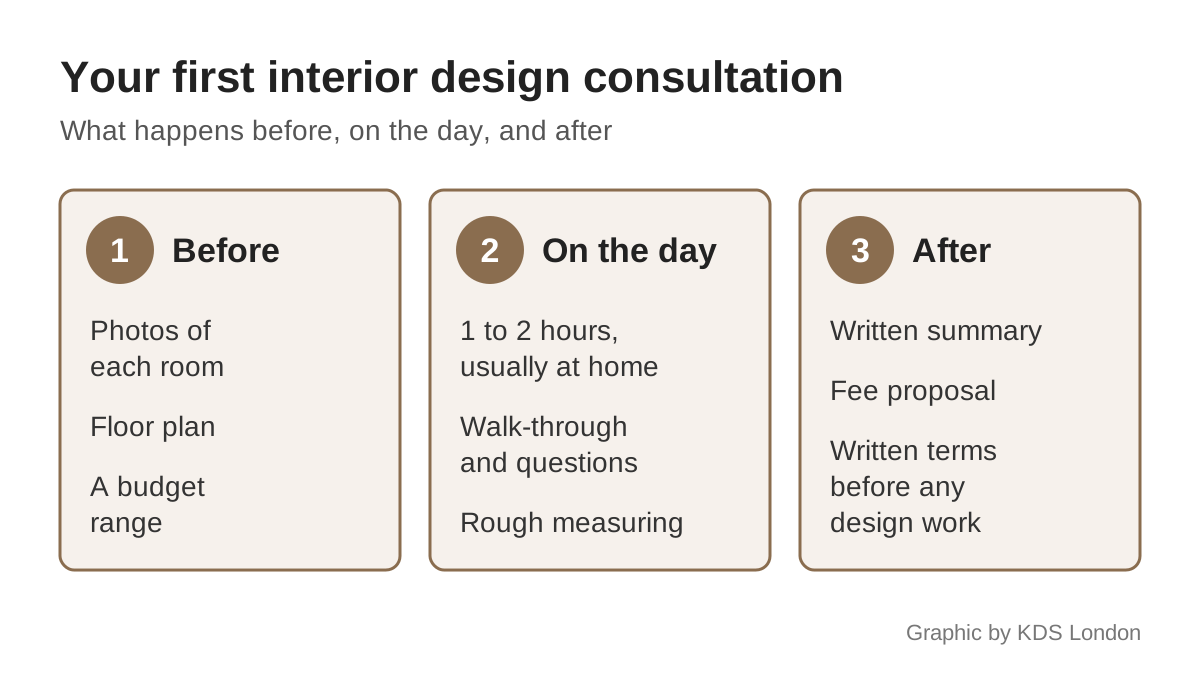
A first interior design consultation is a meeting, usually one to two hours and usually in your home, where a designer finds out what you want, looks at the space and decides whether the two of you can work together. It is not the design itself. You should come away with a clearer idea of what the project involves, a feel for the designer, and, within a few days, something in writing: a summary, a fee proposal, or both.
This page covers how the first meeting runs in practice, the questions a good designer will ask you, what to have ready, what it tends to cost in London, and the handful of things to pin down before you sign anything.
Free call, paid consultation, or both
Designers split the first contact in two ways, and it helps to know which one you are booking.
A free discovery call. Fifteen to thirty minutes on the phone or video. The designer checks the scope, location and rough budget fit, and you check whether you like how they talk about the work. No site visit and no advice worth acting on.
A paid initial consultation. The designer comes to the property, walks round with you, and gives real opinions. Many charge for this because it is expert time and some clients use it as free design advice. As one published example, the Bristol designer Hannah Redden lists a one-hour, in-person initial consultation with a written summary afterwards and, if needed, a quote for further work. London studios commonly charge more for the same hour, and some deduct the fee from the project if you go ahead. Ask whether yours does before you book.
A consultation can also be a service in its own right. If you only need a second opinion on a layout or a colour scheme, a single paid session with notes may be all you need. Our page on whether an interior designer is worth it covers when that lighter option makes sense.
What happens on the day
Most first consultations follow the same arc.
1. The walk-round. You show the designer every room in scope and explain what does not work: the dark hallway, the kitchen nobody sits in, the bedroom with nowhere to put clothes. Point out what you want to keep, whether that is a sofa, a family piece of furniture or original cornicing.
2. The questions. A good designer spends more time asking than talking. Expect questions like:
- Who lives here, and how do you use each room on a normal weekday?
- What do you like and dislike about the space now?
- What is the budget for the whole project, and does it include the design fee?
- Do you have a deadline, such as a baby, a sale or guests at Christmas?
- Is any building work involved, and do you own the freehold or is it a leasehold flat?
- Who makes the decisions?
That last one matters more than it sounds. The British Institute of Interior Design’s client’s guide singles out couples: can the designer take instructions from either of you, or only one? It says this “seemingly trivial point has caused conflict on many projects” and is best settled at the outset.
3. First measurements and photos. Some designers take rough dimensions and photographs on the day. For anything involving joinery or building work, expect a separate measured survey later, sometimes by a surveyor.
4. Initial ideas. In a paid consultation, the designer will usually suggest a direction: moving a doorway, changing the lighting plan, how to zone an open-plan room. Treat these as a sample of their thinking rather than a plan.
5. Next steps. The meeting should end with a clear statement of what happens next and when you will hear from them.
What to have ready
You do not need a finished brief, but the more of this you have, the more useful the hour is:
- Photos of each room, including the awkward corners.
- A floor plan, even a rough one from estate agent particulars.
- Images you like, saved from magazines, Instagram or Pinterest, and a few you dislike. Dislikes are often more useful.
- A budget range for the whole project. The BIID guide warns that designers “cannot make informed recommendations” if the budget is left unstated, and that the likely result is design work being redone at extra cost.
- Any constraints: planning or conservation area status, a listed building, leasehold consent needed for works, access issues for deliveries.
If you want to go further, writing a short brief before the meeting sharpens it considerably, and our interior design budget planner helps put numbers against each room.
What you should get afterwards
Within a week or so, expect some or all of:
- A written summary of what was discussed and the designer’s initial recommendations.
- A fee proposal setting out how they charge. The BIID lists six common structures, from hourly rates and fixed fees to a percentage of project cost or mark-ups on goods supplied. Our guide to interior designer fees explains each one.
- Terms and conditions or a contract. BIID-registered designers are required to have a written contract with their clients. The BIID says terms should set out who the client is, what the designer will do based on the brief, the scope of services, how they charge, when they invoice, and confidentiality, copyright, insurance and dispute resolution.
If you were quoted an hourly rate, the BIID’s advice is to agree an estimate or ceiling up front. It calls misunderstandings over charging “the number one source of discord between designers and clients”.
Before you sign
You have 14 days to change your mind on an at-home contract. If you sign a contract with a designer in your own home, the Consumer Contracts Regulations 2013 generally give you 14 days to cancel. If you ask the designer to start work within that period and then cancel, you may have to pay for the work already done.
Check who you are really dealing with. Is the person at the consultation the one who will design your project, or will it be handed to a junior? Ask to see comparable projects, not just the portfolio highlights.
Check registration and insurance. BIID-registered designers must hold professional indemnity insurance and follow the institute’s code of conduct. Our guide to hiring an interior designer in London explains why that is worth checking.
Understand the timeline. Ask how long each stage usually takes for a project like yours. Most full projects run for months, not weeks; our page on how long interior design takes has realistic figures, and the interior design process page sets out every stage after this one.
Frequently asked questions
How long does an interior design consultation take? Usually one to two hours for a paid initial consultation at your home, depending on how many rooms are in scope. A free introductory call, where one is offered, is typically 15 to 30 minutes.
Do you have to pay for an interior design consultation? Often, yes. Many designers offer a short free call but charge for a site visit with real advice. Some deduct the consultation fee from the project fee if you go ahead, so ask before booking.
What should I prepare for my first interior design consultation? Photos of each room, a floor plan if you have one, images of interiors you like and dislike, a budget range for the whole project including fees, and any constraints such as listed status or leasehold consent.
Should I tell the designer my budget? Yes. The British Institute of Interior Design warns that designers cannot make informed recommendations without one, and that leaving it unstated risks designs being redone at extra cost when prices come in too high.
Can I cancel after signing with a designer at home? Generally yes, within 14 days, under the Consumer Contracts Regulations 2013 for contracts signed away from the designer’s business premises. If you asked them to start work in that window, you may owe for what has been done.
Is a consultation the same as a design? No. A consultation is a meeting to understand your project and agree scope and fees. Concept design, drawings and specifications come afterwards under a signed agreement.
Sources
The British Institute of Interior Design’s “A Client’s Guide to Working with an Interior Designer”; Hannah Redden Interiors’ published consultation terms; the Consumer Contracts (Information, Cancellation and Additional Charges) Regulations 2013. Checked 30 September 2026.
The Folio
Want more like this in your inbox?
One considered idea for your London home, every Thursday.
SubscribeMore from KDS London
All guides
How Much Does an Interior Designer Cost in London in 2026?
What interior designers charge in London in 2026: hourly rates, day rates, per-room fees and percentage models, with real figures and what each one buys you.
Read
Navy Kitchen Ideas: Blue, Teal and Cobalt Cabinet Designs
Navy kitchen ideas that work: the best blue cabinet shades, worktop and hardware pairings, and how to use navy, teal and cobalt without dating the room.
Read
Gold and Brass Bathroom Accessories: How to Style Warm Metallics
How to choose and style gold bathroom accessories and brass fittings, from brushed vs polished finishes to mixing metals and avoiding tarnish.
Read