Rental Property Interior Design: 8 Rules for London Lets
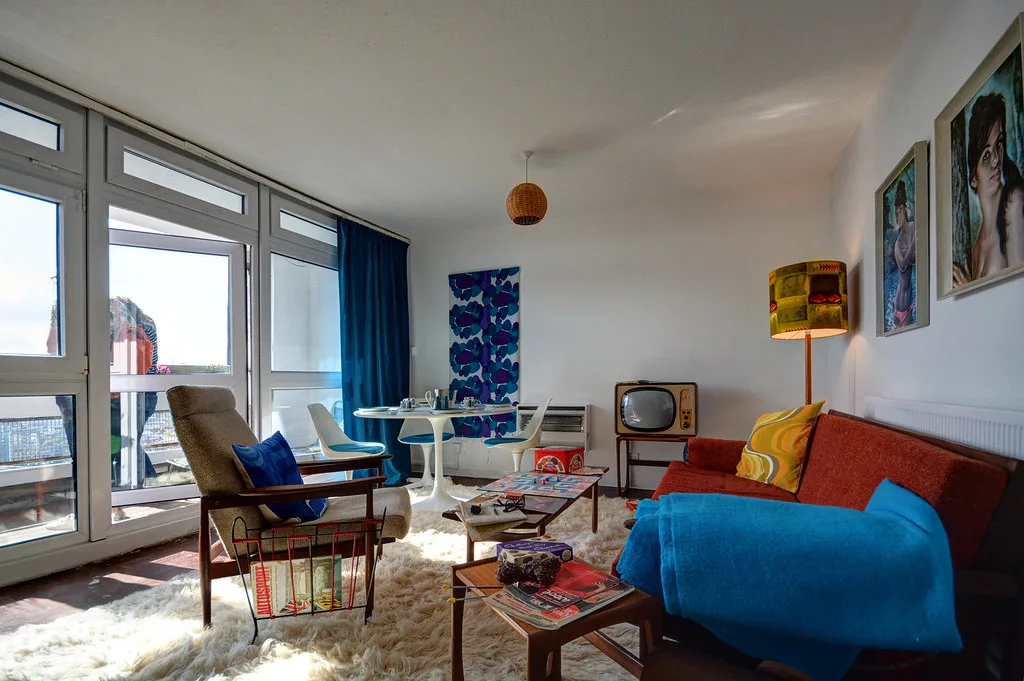
Good rental property interior design is not a smaller version of designing your own home. You are designing for a tenant you have not met, for a flat that will be lived in hard, cleaned at check-out and photographed for the next listing every year or two. The aim is a home that lets quickly, survives three or four tenancies without a refit, and does not fail an inspection. Taste matters less than you think; durability, light and storage matter more.
This page sets out how we would approach a London buy-to-let, and the rules that changed in 2026 which now shape the design: the Renters’ Rights Act tenancy reforms that took effect on 1 May 2026, including the new right to ask for a pet, and the confirmed requirement for every private let to reach EPC C by 1 October 2030.
1. Design for the listing photo and the check-out report
Two documents decide whether a rental interior has worked: the first photo on the letting portal and the inventory at the end of the tenancy. Design for both.
- Light, warm neutrals photograph well and touch up easily. A soft white or warm off-white across walls and ceilings in a durable, wipeable finish lets you repaint one scuffed wall between tenancies without the patch showing. Keep the exact paint name and finish in a property file.
- Put colour in things that can be swapped. A rug, cushions or a single painted feature such as a bedroom wall behind the bed gives the photos warmth without committing every tenant to it. Our living room design guide has palettes that work in small London rooms.
- Fewer, better pieces. An over-furnished flat looks smaller in photos and gives more for a tenant to damage. Leave floor showing.
2. Choose finishes that survive three tenancies
The cheapest finish is often the most expensive over five years, because it is the one you replace between every let.
| Area | What lasts in a rental | What to avoid |
|---|---|---|
| Floors, living areas and bedrooms | Luxury vinyl tile or plank, engineered oak with a lacquered finish | Pale carpet throughout, unsealed natural stone |
| Floors, kitchen and bathroom | Porcelain tile or LVT | Laminate near water, which swells at the joins |
| Walls | Wipeable matt or eggshell emulsion in a single colour | Wallpaper, dark colours that show every patch |
| Kitchen worktops | Laminate or quartz | Solid wood that needs oiling, polished marble |
| Kitchen doors | Painted or foil-wrapped doors in a standard size you can replace | Bespoke colours you cannot match later |
| Bathroom | Shower screen, thermostatic shower, extractor on a run-on timer | Shower curtains, silicone-only splashbacks |
The extractor deserves a line of its own. Condensation mould is one of the most common tenant complaints and one of the hardest end-of-tenancy disputes to settle. A bathroom fan with an overrun timer and a kitchen extractor that vents outside cost little compared with repainting black-spotted ceilings. Awaab’s Law, which sets deadlines for landlords to deal with damp and mould, is being extended to private rented homes by the Renters’ Rights Act, with the timescales to be set in regulations. A well-ventilated design is the cheapest way to stay out of that process.
Our bathroom renovation cost and kitchen cost pages show what a durable mid-range refit costs in London.
3. Furnished or unfurnished: decide by who you are letting to
London lets tend to split by tenant type. Young professionals and sharers moving from flat to flat often want furniture provided; families and long-term tenants usually bring their own. Decide which market the flat suits before buying anything.
If you furnish, every upholstered item must meet the Furniture and Furnishings (Fire) (Safety) Regulations 1988. That covers sofas, armchairs, mattresses, bed bases, headboards, cushions and padded chairs. Each needs its permanent fire label. Second-hand sofas without labels are the classic landlord mistake: they cannot be let, whatever condition they are in. Carpets, curtains and bedding are outside the regulations.
A sensible furnished London let usually includes a bed with a new mattress and protector in each bedroom, a wardrobe or fitted storage, a sofa, a dining table and chairs, and the white goods. Leave out the clutter: lamps, art, kitchen kit and ornaments are personal, break and go missing, and become inventory disputes. Our furniture budget calculator helps size the spend room by room.
When you replace furniture later, the tax treatment helps. HMRC’s replacement of domestic items relief lets landlords deduct the cost of replacing furnishings like for like, though not the cost of furnishing a property for the first time.
4. Storage beats square footage
Most London flats are short of storage, and tenants notice it at the first viewing. Built-in wardrobes in alcoves, a full-height cupboard for a vacuum and an airer, and a bed with drawers underneath do more for a lettable flat than a bigger sofa. In a one-bedroom flat, a hallway cupboard you can stand a bike in can be the difference between a let in a week and a let in a month.
Our small living room design ideas cover how to fit storage into compact rooms without making them feel crowded.
5. Plan for pets now that tenants can ask
Since the Renters’ Rights Act reforms took effect on 1 May 2026, tenants in England have a strengthened right to request a pet, and a landlord must consider each request rather than rely on a blanket ban. GOV.UK’s guide to the Act says it will always be reasonable to refuse where a superior landlord prohibits pets, as many London leaseholds do, and that a tenant who thinks a refusal is unreasonable can escalate it to the Private Rented Sector Ombudsman. The clause that would have let landlords require pet damage insurance was dropped before the Act passed, and the five-week deposit cap still applies.
The design response is simple: assume a pet is possible and choose finishes accordingly.
- Hard, scratch-resistant floors (LVT or porcelain) rather than carpet in living areas.
- Washable or removable sofa covers, or a leather or performance fabric sofa.
- Satin or eggshell on skirting boards and door frames, which wipe clean.
- Check your landlord insurance, because damage by pets is often excluded.
6. Build the safety rules into the design, not around it
Several compliance items are physical, so they belong in the design from the start:
- Smoke alarms on every storey used as living accommodation, and a carbon monoxide alarm in every room with a fixed combustion appliance such as a gas boiler or wood burner (gas cookers excluded), under the 2022 alarm regulations.
- Electrical safety: an Electrical Installation Condition Report at least every five years. Plan new lighting and sockets with your electrician so the work is certified.
- Gas safety: an annual gas safety check by a Gas Safe registered engineer if there is any gas appliance.
- HMOs: if you are letting to sharers, the national minimum bedroom sizes apply (6.51 square metres for one adult, 10.22 for two), and many London boroughs run additional or selective licensing with their own standards. Check your borough before you design the layout.
7. Get the flat to EPC C, because the deadline is now fixed
The government confirmed in January 2026 that every privately rented home in England and Wales must reach EPC C, or the equivalent under the new EPC metrics, by 1 October 2030, for new and existing tenancies alike. The spending cap for a cost exemption stays at £10,000.
Some of the work is design work, and it is cheaper to do it during a refit than after:
- LED lighting throughout, including integrated kitchen and bathroom fittings.
- Lined or thermal curtains and well-fitted blinds on single-glazed or draughty windows, particularly in mansion blocks and conversions where you may not be allowed to change the windows.
- Draught-proofing at floors, skirting and doors while the room is empty.
- Efficient heating controls, such as a programmable thermostat and thermostatic radiator valves, rather than leaving the tenant to work it out.
Your energy assessor can tell you which measures move the rating most for your particular flat. Ask before you choose finishes, not after.
8. Know when a designer is worth paying for
A designer is rarely worth it for a single one-bedroom flat with a modest budget, where a clear brief and a good builder will do. It can pay for itself on a portfolio, on a high-end let in prime central London where tenants expect a finished look, or on an HMO conversion where layout and compliance interlock. Ask for a fixed fee for a rental spec rather than an hourly rate, and agree the finishes schedule as a document you can reuse on the next property.
Our pages on what interior designers charge, how to write a design brief and the interior design process explain how to commission one without paying for more than you need.
Frequently asked questions
What is the best flooring for a rental property? Luxury vinyl tile or plank for most rooms. It is water-resistant, scratch-resistant, quiet underfoot and easy to replace in sections. Use porcelain or LVT in kitchens and bathrooms; avoid laminate near water and pale carpet in living areas.
Should I let my London flat furnished or unfurnished? It depends on the tenant market for that flat. Sharers and young professionals often want furniture; families and long-term tenants usually bring their own. If you furnish, every upholstered item must carry a permanent fire safety label.
Can I still refuse pets in my rental? You can refuse a pet request only on reasonable grounds since the Renters’ Rights Act reforms of 1 May 2026. A ban in the head lease of a leasehold flat is always a reasonable ground. You cannot require tenants to take out pet damage insurance.
What colour should I paint a rental property? A warm white or soft off-white in a wipeable finish, used throughout so that touch-ups match. Keep the exact paint name on file, and add colour with rugs, cushions and art that can be replaced.
Does my rental need to be EPC C? Yes, by 1 October 2030 for all tenancies in England and Wales, under the standard the government confirmed in January 2026. A cost exemption is available once you have spent £10,000 and the property still falls short.
Is it worth hiring an interior designer for a buy-to-let? On a single modest flat, usually not. On a portfolio, a prime central London let or an HMO conversion, a fixed-fee rental specification can pay for itself through faster lets and fewer replacements.
The Folio
Want more like this in your inbox?
One considered idea for your London home, every Thursday.
SubscribeMore from KDS London
All guides
How Much Does an Interior Designer Cost in London in 2026?
What interior designers charge in London in 2026: hourly rates, day rates, per-room fees and percentage models, with real figures and what each one buys you.
Read
Navy Kitchen Ideas: Blue, Teal and Cobalt Cabinet Designs
Navy kitchen ideas that work: the best blue cabinet shades, worktop and hardware pairings, and how to use navy, teal and cobalt without dating the room.
Read
Gold and Brass Bathroom Accessories: How to Style Warm Metallics
How to choose and style gold bathroom accessories and brass fittings, from brushed vs polished finishes to mixing metals and avoiding tarnish.
Read