Interior Designers in Richmond: 85 Conservation Areas
Interior designers in Richmond and Twickenham work in a borough with 85 conservation areas, from Richmond Hill and Kew Green to Twickenham Riverside, St Margarets and Teddington. What makes Richmond different from Islington or Kensington is how its extra controls are drawn. Article 4 directions here usually cover named streets or terraces inside a conservation area, not the whole area. Two houses a few hundred metres apart in the same conservation area can have very different rights, so the first job on any project that touches the outside of a house is to check the exact address.
KDS London is an independent guide, not a design studio, so this is not a list of firms. It sets out what shapes an interior project in Richmond, Twickenham, St Margarets, Kew and Teddington in late 2026, and what to ask a designer before you hire one. We checked Richmond Council’s conservation area, Article 4, locally listed building and construction noise pages on 16 November 2026. For other areas, see our pages on Islington, Hampstead and Belsize Park and Kensington.
1. Check the street, not just the area
Richmond Council’s conservation areas page says there are currently 85 conservation areas in the borough, each with a conservation area statement explaining why it was designated, with a boundary map. Many also have a detailed appraisal. The council’s online map shows every boundary.
Being in a conservation area already limits some permitted development: for example, side extensions, cladding and some roof alterations need permission there. The bigger restrictions come from Article 4 directions, and Richmond’s are aimed at particular rows of houses that share original features. The council’s Article 4 page, updated 18 June 2026, lists them street by street. The Twickenham and St Margarets entries alone include:
| Conservation area | Streets with an Article 4 direction |
|---|---|
| CA8 | Lebanon Park, Montpellier Row, Richmond Road (East Twickenham) |
| CA10 | Hampton Road, Trafalgar Road (Twickenham) |
| CA19 | Netherton Road, St Margaret’s Drive, St Margaret’s Road |
| CA21 | Richmond Road, Sandycombe Road, St Stephen’s Gardens, 79 St Margaret’s Road |
| CA44 | Mallard Place, Strawberry Vale |
| CA46 | Denehurst Gardens, Gladstone Avenue, Rosecroft Gardens |
| CA47 | Grosvenor Road, Holly Road, Queen’s Road (Twickenham) |
| CA49 | Park Cottages (St Margaret’s) |
| CA71 | Waldegrave Park, Fieldend |
| CA78 | Cole Park Road |
In Richmond itself the list includes Dunstable Road, St Mary’s Grove, Sydney Road and Townshend Road and Terrace (CA31), Mount Ararat Road, Montague Road, Rosemont Road and The Vineyard (CA30), Old Palace Lane and Park Road (CA4), and Shaftesbury Road (CA36). Kew has Cambridge Cottages, Gloucester Road, Priory Road and The Green (CA2), Lawn Crescent (CA20) and Victoria and Elizabeth Cottages (CA15). Many entries cover only certain house numbers, so read the direction itself, not just the street name.
If your home is covered, the council says you need planning permission for changes that would otherwise be allowed, including:
- extensions and additions;
- new doors and windows;
- painting or rendering brickwork;
- removing chimneys;
- replacing front gardens or boundary walls with hard surfaces.
2. Windows and doors: decide early
For most interior-led projects, windows and the front door are where Richmond’s rules bite. In a street with an Article 4 direction, swapping timber sashes for new double-glazed windows, or changing the front door, needs a planning application. Repairs and draught-proofing do not count as development, and secondary glazing fitted inside is generally treated as internal work, but in a listed building every one of those can need listed building consent.
Treat windows as a concept-stage decision. If the brief is warmer, quieter rooms, a designer can start with secondary glazing and new glass in existing frames, then make an application for replacements only where the frames are beyond repair. Flats never had permitted development rights for windows, so a flat in a converted house needs permission for replacements wherever it is.
3. Buildings of Townscape Merit
Richmond calls its locally listed buildings Buildings of Townscape Merit, or BTMs. They are buildings that are not nationally listed but matter to the character of the area; buildings of any age can qualify. The council’s own page is clear on what that means for you:
- Normal permitted development rights are not affected by BTM status, so a BTM outside an Article 4 street keeps its usual rights.
- Demolition is controlled. Most BTMs sit inside conservation areas, where demolition needs planning permission; outside one, you must ask for prior approval before demolishing.
- Applications are judged more carefully. When a BTM needs permission for something else, its status counts in the decision.
The list changes. In autumn 2024 the council consulted on removing six Twickenham buildings from it, 354 Richmond Road and 16 to 24 St Margarets Road, because they no longer met the criteria. Download the current list from the council’s locally listed buildings page before assuming your house is or is not on it.
4. Other permissions a Richmond project can hit
Listed building consent covers interior work as well as exterior. Removing a wall, replacing a staircase, moving a fireplace or changing joinery in a listed house needs consent, and doing it without consent is a criminal offence. Richmond has a large stock of Georgian and early Victorian listed houses, particularly around Richmond Green, Richmond Hill, Kew Green, Ham and Twickenham’s riverside.
Demolition. Relevant demolition of an unlisted building in a conservation area needs planning permission. Richmond’s page lists the exceptions: very small buildings under 115 cubic metres, and low gates, walls and fences (under one metre next to a road or footpath, under two metres elsewhere).
Trees. In a conservation area you must give the council six weeks’ written notice before cutting down or pruning most trees, whether or not they have a preservation order. Garden rooms and new paths near trees need planning around this.
Basements and flooding. Much of Twickenham, Ham, Petersham, Kew and the riverside sits close to the Thames. Richmond’s Local Plan (2025) has policies on basements and on flood risk, and basement plans in a flood zone face much stricter tests. Check the Environment Agency flood map for your address before a basement goes into the brief.
Leasehold flats. Many St Margarets and Richmond houses are now flats. Your lease will almost certainly need the freeholder’s written consent for structural or layout changes, and the Party Wall etc. Act 1996 applies to work on shared walls.
5. Plan the programme around Richmond’s site hours
Richmond Council says the normal hours for noisy building work are:
- 8am to 6pm, Monday to Friday;
- 8am to 1pm, Saturday;
- no noisy work on Sundays or bank holidays.
The council can use its powers under the Control of Pollution Act 1974 to keep sites to those hours, and every site is expected to follow its construction code of practice. Larger schemes with planning permission often carry hours as a planning condition. Ask your designer how strip-out, structural work and floor sanding will fit those windows, especially in a terrace where the neighbours work from home.
What to ask a Richmond or Twickenham designer
- Is my house on an Article 4 street, a Building of Townscape Merit or listed, and which parts of my brief need permission?
- Have you made window or door applications in this conservation area, and what did Richmond accept?
- How will noisy work fit into the 8am to 6pm weekday and Saturday morning hours?
- If the brief includes a basement or garden room, have you checked flood risk and trees?
- Is your fee fixed, hourly or a percentage of the build? Our guides to interior designer fees and interior designer costs in London explain what is normal.
Before the first meeting, write a short brief; our brief template and questions to ask an interior designer help. If you are unsure what needs consent, our page on planning permission for interior design covers the national rules.
Frequently asked questions
How many conservation areas are there in Richmond upon Thames? Richmond Council says there are currently 85, each with a conservation area statement and boundary map. They cover large parts of Richmond, Twickenham, St Margarets, Kew, Barnes, Ham, Teddington and Hampton.
How do I know if my Richmond home has an Article 4 direction? Check the council’s Article 4 directions page, which lists each direction by conservation area and street with a map. Many directions cover only certain house numbers, so read the direction document for your street.
Do I need planning permission to replace windows in Twickenham? In a street with an Article 4 direction, yes. In a flat, always. Repairs, draught-proofing and secondary glazing are usually fine without permission, unless the building is listed.
What is a Building of Townscape Merit? Richmond’s name for a locally listed building. It does not remove permitted development rights, but demolition is controlled and the status is weighed when you apply for planning permission.
What hours can builders work in Richmond? The council’s normal hours for noisy work are 8am to 6pm Monday to Friday and 8am to 1pm on Saturday, with no noisy work on Sundays or bank holidays.
How much does an interior designer cost in Richmond? Fees follow the same patterns as the rest of London: fixed fees, hourly rates or a percentage of the build. Our London cost guide and cost calculator give current ranges.
The Folio
Want more like this in your inbox?
One considered idea for your London home, every Thursday.
SubscribeMore from KDS London
All guidesHow Much Does an Interior Designer Cost in London in 2026?
What interior designers charge in London in 2026: hourly rates, day rates, per-room fees and percentage models, with real figures and what each one buys you.
Read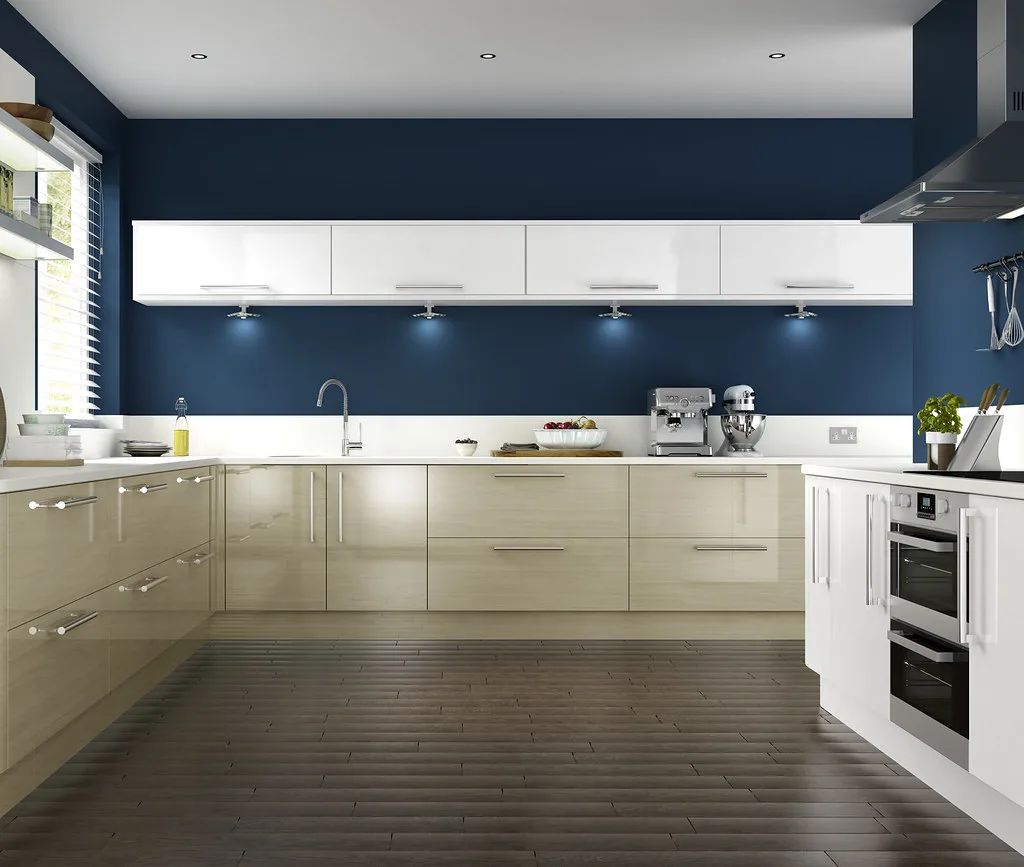
Navy Kitchen Ideas: Blue, Teal and Cobalt Cabinet Designs
Navy kitchen ideas that work: the best blue cabinet shades, worktop and hardware pairings, and how to use navy, teal and cobalt without dating the room.
Read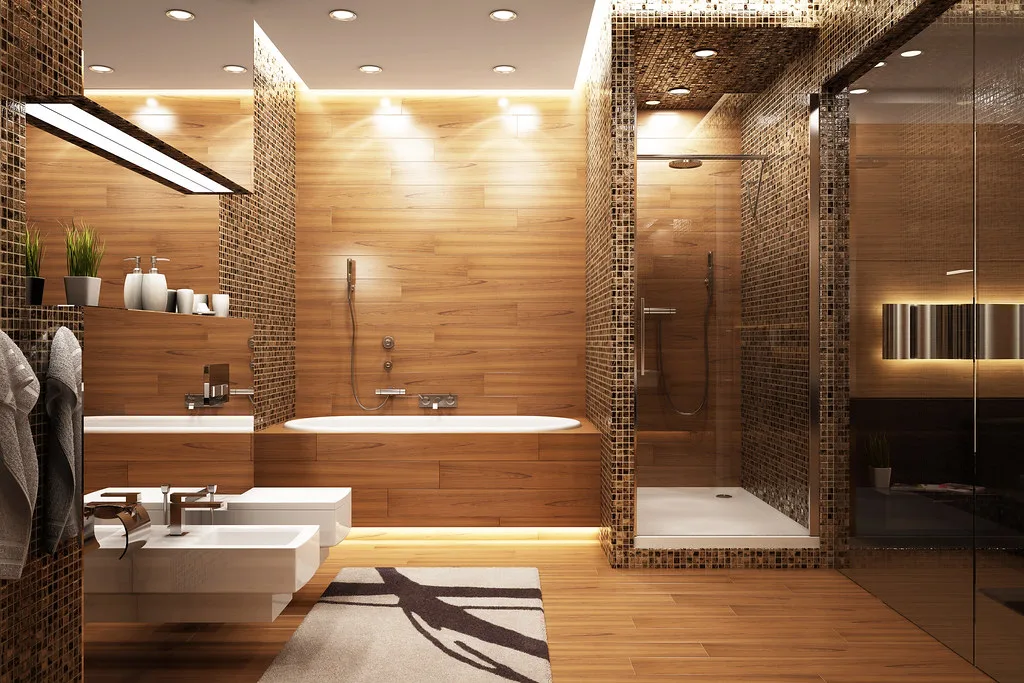
Gold and Brass Bathroom Accessories: How to Style Warm Metallics
How to choose and style gold bathroom accessories and brass fittings, from brushed vs polished finishes to mixing metals and avoiding tarnish.
Read