Interior Designers in Islington: 40 of 42 Areas Under Article 4
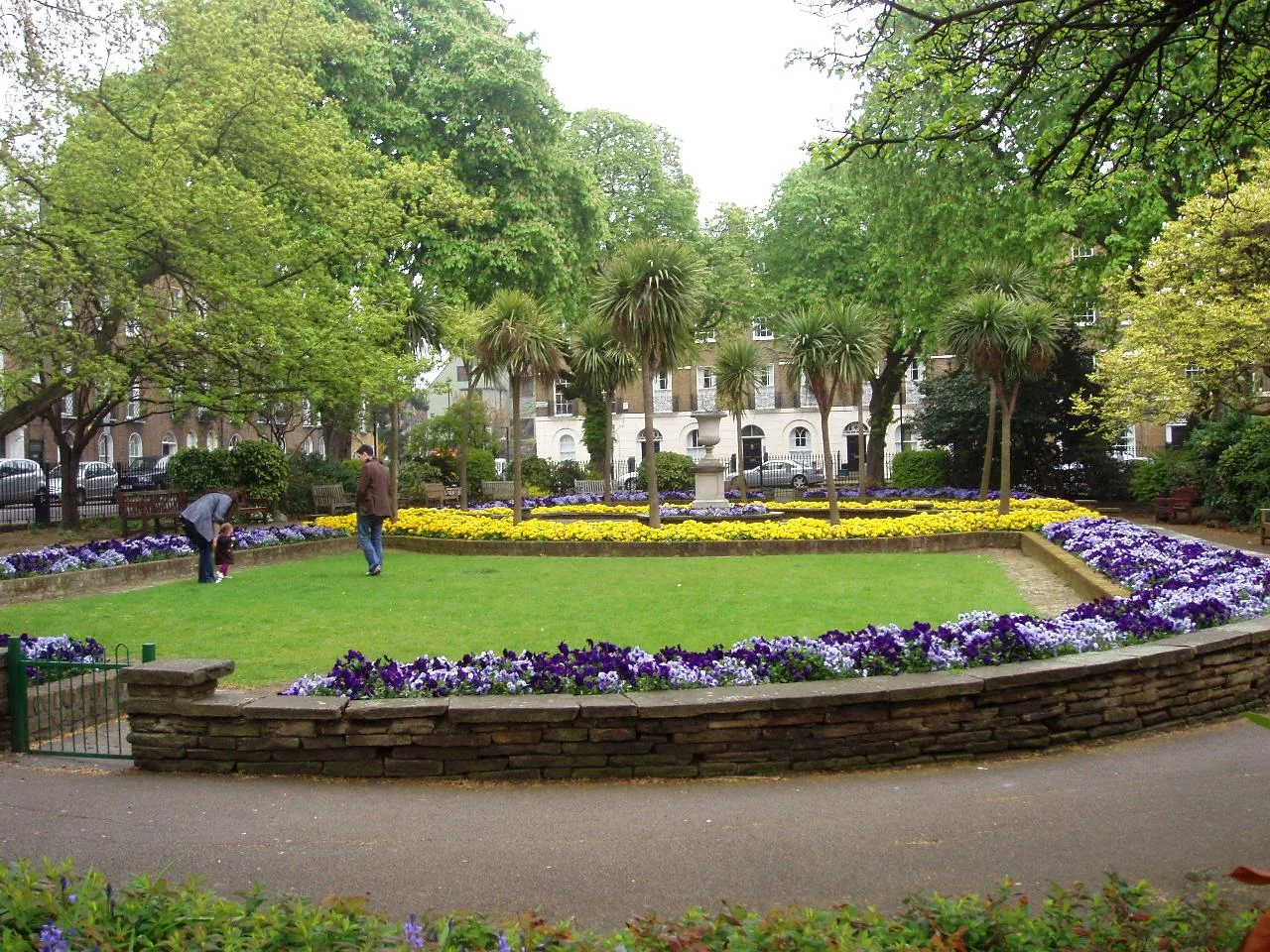
Interior designers in Islington and Highbury work in one of the most tightly controlled housing stocks in London. The borough has 42 conservation areas, and Islington Council has removed permitted development rights in 40 of them with Article 4 directions. Most homes are Georgian and Victorian terraces, many of them split into flats. Inside the house, most decorating needs no permission. Once a project touches the windows, the front door, the brickwork, the roof or the ground, it almost always does.
KDS London is an independent guide, not a design studio, so this is not a list of firms. It sets out what shapes an interior project in Islington, Highbury and Canonbury in late 2026, and what to ask a designer before you hire one. We checked Islington Council’s conservation area and permitted development pages, its January 2025 windows guide, its construction noise rules and the June 2026 Poets Road Article 4 notice on 14 November 2026. For other areas, see our pages on Hampstead and Belsize Park, Kensington, Chelsea, Notting Hill and Mayfair.
1. Check whether your street is covered
Start with Islington’s interactive conservation area map, which also shows the Article 4 direction for each area. The ones a Highbury or Canonbury project is most likely to meet:
| Conservation area | Designated | Notes |
|---|---|---|
| Highbury Fields (CA5) | January 1969 | Terraces around the fields and Highbury Place |
| Canonbury (CA8) | February 1969 | Canonbury Square and the surrounding Georgian streets |
| Barnsbury (CA10) | April 1969 | Squares and terraces west of Upper Street |
| Highbury New Park (CA15) | February 1975 | Large Victorian villas, many now flats |
| East Canonbury (CA23) | June 1989 | Article 4 direction in force |
| Aberdeen Park (CA27) | February 1990 | Victorian houses off Highbury Grove |
| Poets Road (CA42) | 25 September 2025 | The newest; Article 4 direction made June 2026, due in force 31 July 2027 |
Each area has its own design guidelines, most of them adopted in January 2002, which say which buildings make a “positive contribution”. That label matters, because it decides how strictly the council treats your windows and doors.
2. Windows: the job that most often needs an application
Islington’s January 2025 guide to repairing and upgrading windows is unusually clear, and it is the first thing to read if your brief includes warmer or quieter rooms. The key points:
- No planning permission needed to improve existing windows: repairs, draught-proofing, secondary glazing and replacing the glass in existing frames.
- Permission is needed to replace a window with a double-glazed one in most of Islington’s conservation areas, because Article 4 directions have removed the permitted development right that would otherwise cover a house.
- Flats always need permission to replace windows. Replacing windows in a flat, a house converted into flats or a non-residential building is not permitted development anywhere.
- What the council will usually accept: in a building that makes a positive contribution, well-designed double-glazed windows that closely match the original design and materials, with the same glazing pattern and integral glazing bars, usually in timber.
- Listed buildings need listed building consent too. Historic windows should normally be kept and repaired; slimline double-glazed units can often go into new replica windows where the old ones are beyond repair, or replace poor modern ones such as uPVC.
For a designer, the practical consequence is timing. Secondary glazing or new glass in existing sashes can go into the programme straight away. A full replacement means an application first, so it should be decided at the concept stage, not added late.
3. Poets Road: new rules arriving in 2027
Islington designated its 42nd conservation area, Poets Road, on 25 September 2025. On 9 June 2026 the council made an Article 4(1) direction for it, which it proposes to bring into force on 31 July 2027. It covers Grosvenor Avenue, Beresford Road, Pyrland Road, Ferntower Road, Poets Road, and parts of Leconfield Road and Petherton Road.
Once in force, planning permission will be needed there for:
- Altering, enlarging or replacing windows and doors.
- Rooflights on a roof slope visible from the road.
- A porch outside any external door.
- Altering, replacing or removing a brick chimney.
- Building or altering a gate, fence or wall facing the road.
- Painting previously unpainted outside walls.
Until then, houses in those streets keep the normal permitted development rights for this kind of work (flats never had them). If new windows, a porch or a painted front are in your plans, ask your designer whether they can be finished before 31 July 2027, and get confirmation from the council before relying on it.
4. Other permissions an Islington project can hit
Listed building consent covers interior work as well as exterior. Islington has more than 2,000 listed buildings, and moving a wall, replacing a fireplace or changing joinery in one can all need consent.
Trees. In a conservation area you must give the council six weeks’ written notice before pruning or felling a tree.
Demolition. Total or substantial demolition of a building in a conservation area needs planning permission.
Basements. Islington’s Local Plan policy on basements requires them to be proportionate to the site and backed by a structural method statement, with more detail in the council’s Basement Development SPD of January 2016. A basement is an architect and engineer job first; a designer comes in once the envelope is agreed.
Leasehold flats. A large share of Highbury and Canonbury homes are flats in converted houses. Your lease will almost certainly require the freeholder’s licence to alter before you remove walls, move a kitchen or bathroom, or change floors. Our planning permission page covers what purely internal work needs.
5. Plan the programme around Islington’s site hours
Islington allows noisy construction work only from 8am to 6pm Monday to Friday and 8am to 1pm on Saturdays. Anything outside those hours needs the council’s prior approval. Neighbours who suffer noise, dust or vibration can report it to the council’s pollution team.
In a terrace with party walls on both sides, that is a short week. A strip-out, a kitchen fit or floor sanding all have to fit inside it, and a designer who has worked in Islington will plan the noisy trades first and the quiet ones (decorating, joinery installation, soft furnishings) for the end. If your project touches a party wall, you will also need party wall notices under the Party Wall etc. Act 1996.
What to ask an Islington designer
- Which of my rooms and elements need planning permission, listed building consent or the freeholder’s consent, and who prepares the drawings?
- Have you made window applications in this conservation area, and what did Islington accept?
- How will you programme noisy work into the 8am to 6pm weekday and Saturday morning hours?
- Is your fee fixed, hourly or a percentage of the build? Our guide to interior designer fees and our London costs page explain what is normal.
- Who manages the contractors, and who answers to the neighbours?
Before the first meeting, write a short brief; our brief template and questions to ask an interior designer help.
Frequently asked questions
Do I need planning permission to redecorate my Islington home? No. Painting, papering, new flooring, furniture and most internal changes need no planning permission in an unlisted home. Listed buildings are different: internal changes that affect their character need listed building consent.
Can I replace my sash windows with double glazing in Islington? Usually, but in most conservation areas you need planning permission first, and flats always do. The council generally accepts timber double-glazed windows that closely copy the original design. Secondary glazing and new glass in existing frames need no permission.
Which Islington conservation areas have Article 4 directions? Forty of the borough’s 42 conservation areas. The council’s interactive map shows each direction. Poets Road, designated in September 2025, has a direction made in June 2026 that is due to come into force on 31 July 2027.
What hours can builders work in Islington? Noisy construction work is allowed from 8am to 6pm Monday to Friday and 8am to 1pm on Saturdays. Work outside those hours needs the council’s prior approval.
Do I need permission to prune a tree in my Islington garden? If you are in a conservation area, you must give the council six weeks’ written notice before pruning or felling it. Trees with a preservation order need consent wherever they are.
How much does an interior designer cost in Islington? Fees follow London norms, by the hour, as a fixed fee or as a percentage of the project. Our interior designer cost guide for London has current figures.
The Folio
Want more like this in your inbox?
One considered idea for your London home, every Thursday.
SubscribeMore from KDS London
All guides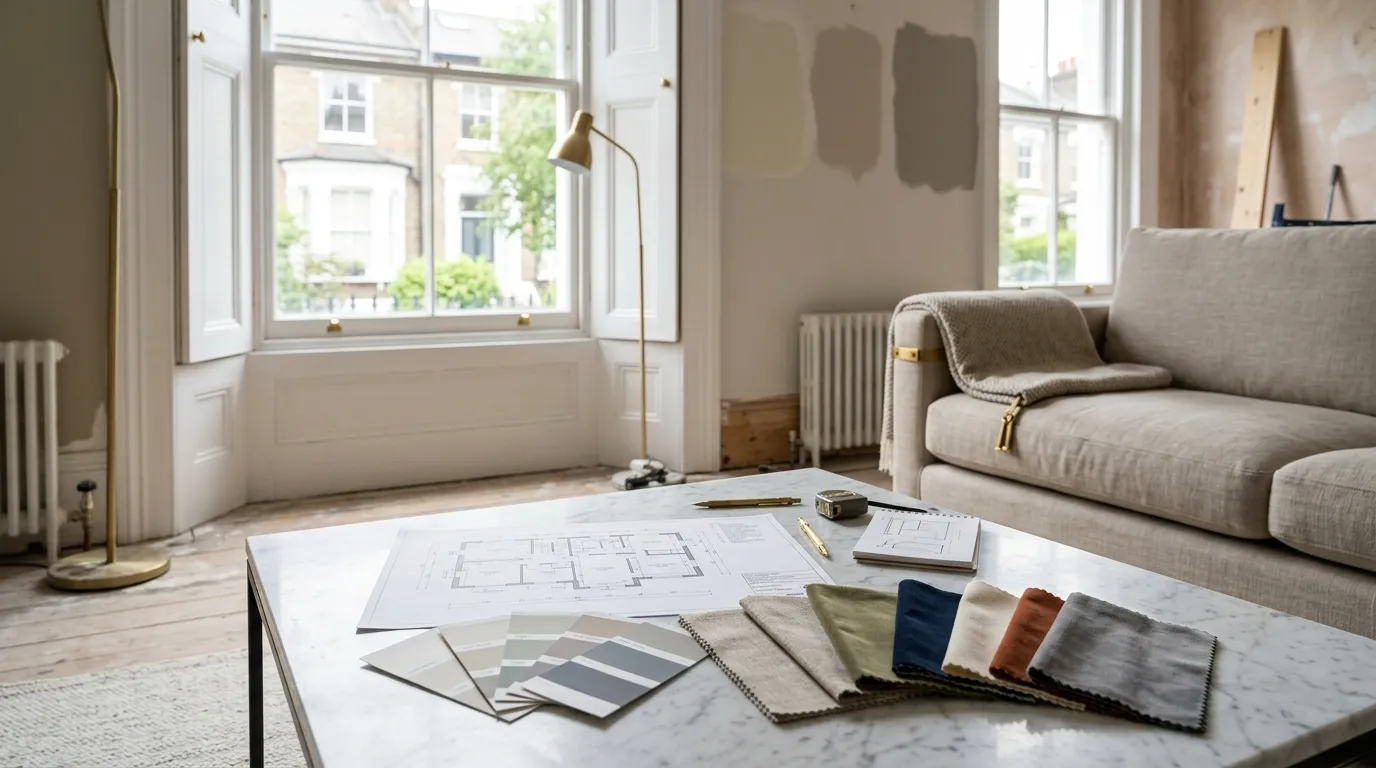
How Much Does an Interior Designer Cost in London in 2026?
What interior designers charge in London in 2026: hourly rates, day rates, per-room fees and percentage models, with real figures and what each one buys you.
Read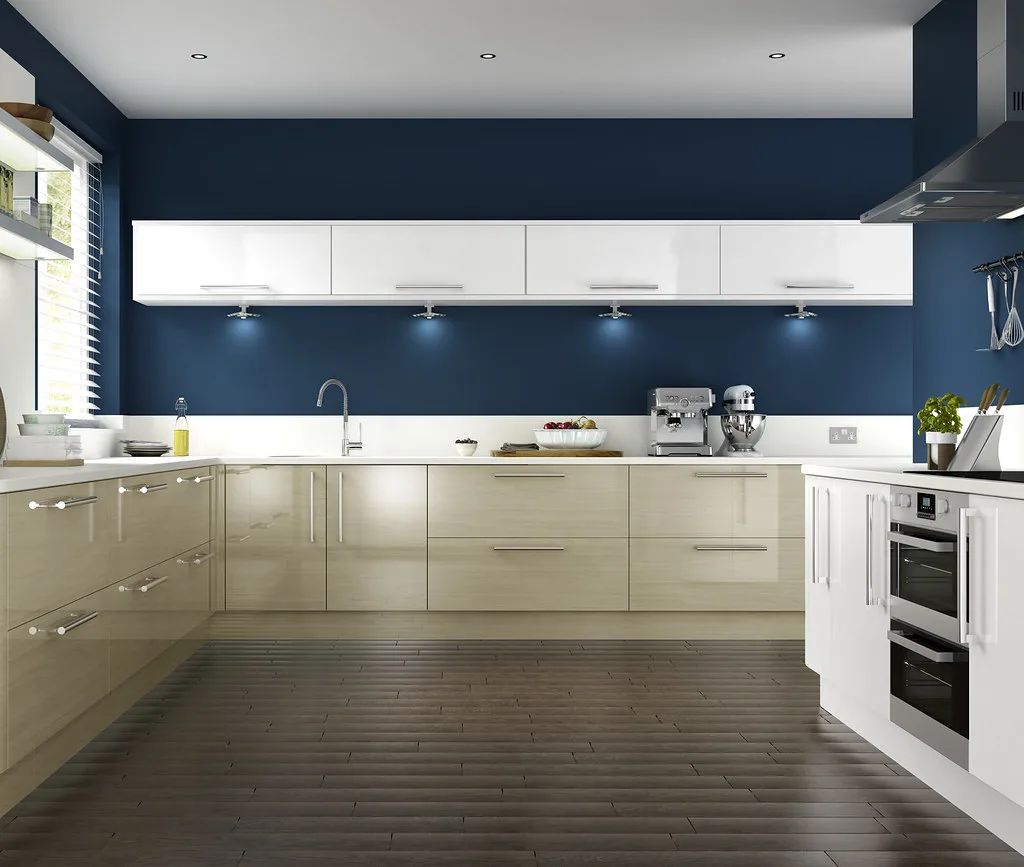
Navy Kitchen Ideas: Blue, Teal and Cobalt Cabinet Designs
Navy kitchen ideas that work: the best blue cabinet shades, worktop and hardware pairings, and how to use navy, teal and cobalt without dating the room.
Read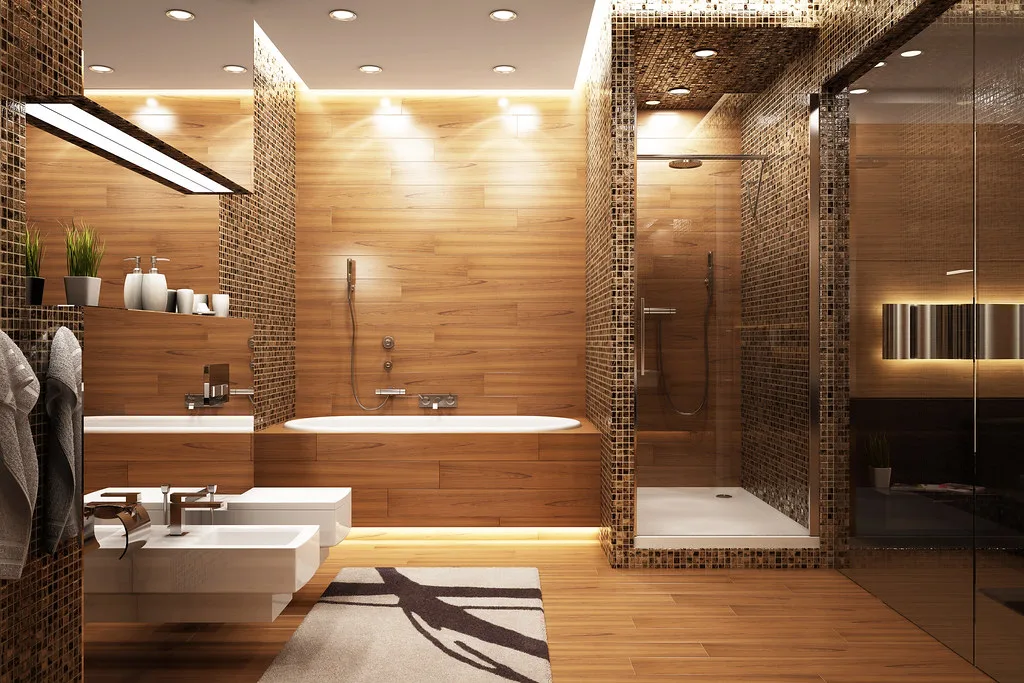
Gold and Brass Bathroom Accessories: How to Style Warm Metallics
How to choose and style gold bathroom accessories and brass fittings, from brushed vs polished finishes to mixing metals and avoiding tarnish.
Read