Interior Designers in Hampstead: Belsize's New 2026 Rules
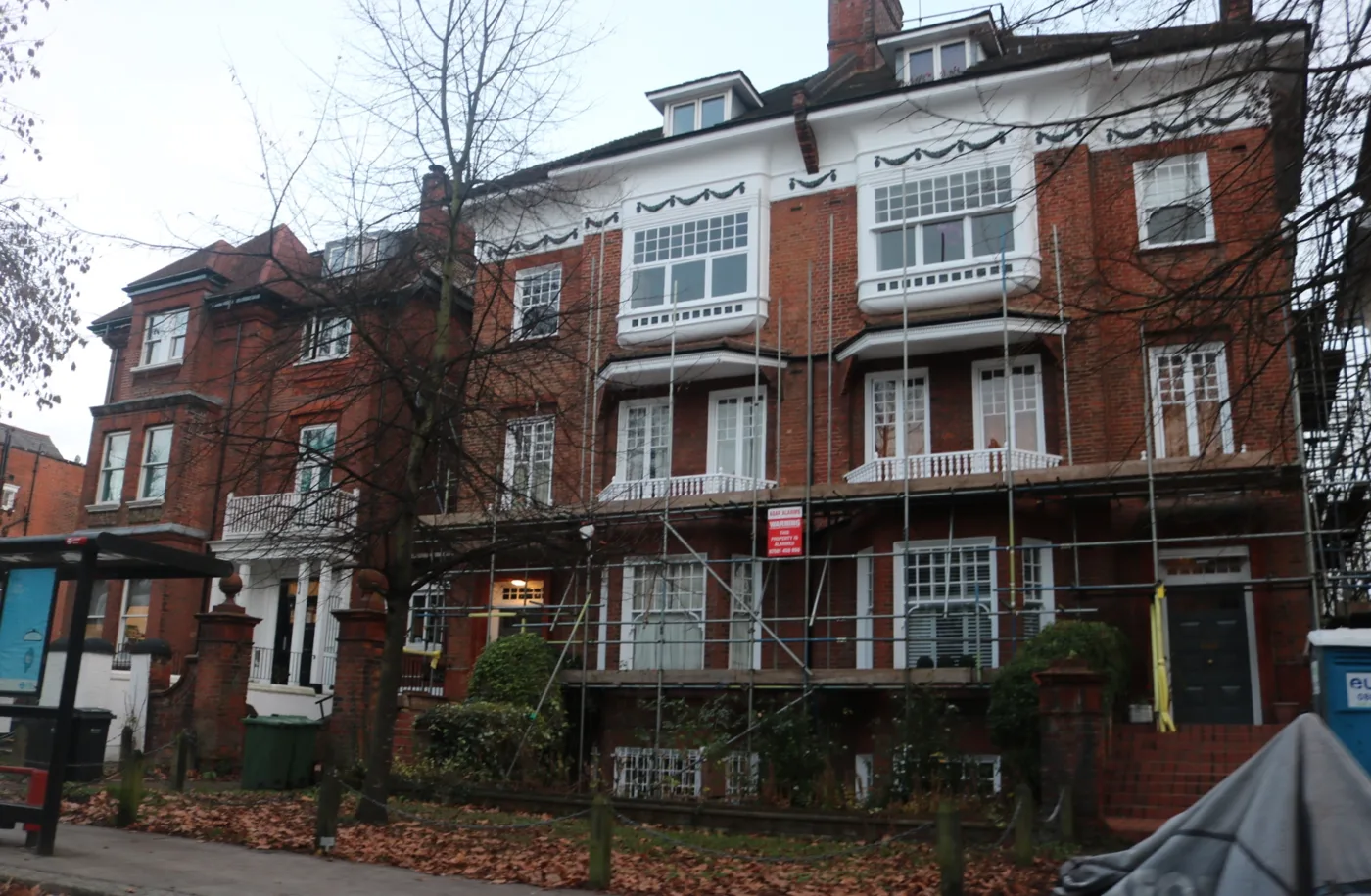
Interior designers in Hampstead and Belsize Park spend more of their time on planning rules than designers almost anywhere else in London. Nearly every street in NW3 sits in a conservation area, a large share of homes are flats in converted Victorian houses, and Camden has some of the strictest basement rules in the country. Inside the house, most decorating needs no permission at all. The moment a project touches the front of the building, the front garden, the roof or the ground beneath, the rules change.
KDS London is an independent guide, not a design studio, so this is not a list of firms. It sets out what shapes an interior project in Hampstead and Belsize Park in late 2026, and what to ask a designer before you hire one. We checked Camden’s June 2026 Belsize Article 4 fact sheet, the adopted Hampstead Neighbourhood Plan and Camden’s construction noise rules on 12 November 2026. For other prime areas, see our pages on Kensington, Chelsea, Notting Hill and Mayfair.
1. Find out which layers of rules apply to your home
A Hampstead or Belsize Park project can be governed by up to four documents at once:
| Layer | What it is | What it usually affects |
|---|---|---|
| Camden Local Plan 2017 | The borough’s planning policies | Extensions, basements, change of use |
| Conservation area status | Hampstead, Belsize and neighbouring areas are all designated | Demolition, trees, anything visible from the street |
| Article 4 Direction | Removes some permitted development rights in a conservation area | Front windows and doors, front gardens, roofs and boundary walls |
| Hampstead Neighbourhood Plan 2025-2040 | Local policies written by the Hampstead Neighbourhood Forum, adopted by Camden on 21 July 2025 | Design, heritage, basements, trees and green space within its area |
If the building is listed, listed building consent is a fifth layer, and it covers interior work too: moving a wall, replacing a fireplace or changing joinery in a listed house can all need consent. If you own a leasehold flat, your lease will almost certainly require the freeholder’s licence to alter before you remove walls, move a kitchen or bathroom, or change floors. Our planning permission page explains what purely internal work needs.
2. Belsize Park: what the June 2026 rules mean
Belsize has had an Article 4(1) Direction since 1 September 2010. Camden amended it in June 2026 and published a new fact sheet setting out what now needs planning permission. The key points for a renovation:
Does not need planning permission (houses and flats):
- Like-for-like replacement of front windows or doors, if the new ones match the old in materials, size, design, glazing bar and frame profile, and open the same way (a sash stays a sash).
- Re-roofing with matching materials laid in the same pattern.
- Repairing a front gate, wall, fence or railings to the same size, materials and design.
- Painting doors and windows, a single porch light or a burglar alarm box.
Does need planning permission (houses and flats):
- Replacing front windows or doors with matching double-glazed ones. Camden’s reasoning is that it wants historic windows kept where possible.
- Replacing front windows or doors with a different material or design. Camden says this is unlikely to be granted where the existing ones are original or of the period.
- Painting or rendering previously unpainted front brickwork.
- A rooflight on the front roof slope, or removing decorative ridge or hip tiles.
- Altering, removing or adding a chimney, flue or soil pipe visible from the road.
- Paving over a front garden, changing the paved area, or making a dropped kerb for parking.
- Building, altering or demolishing a front gate, wall, fence or railings.
Flats have less freedom at the back too. For flats, new rooflights anywhere on the roof and rear windows or doors of a different material or design continue to need permission. For houses, Camden says there is no change to the controls on rear elevations.
There is currently no planning fee for applications needed only because of the Article 4 Direction. The “front” means the main elevation facing a road or other public space, usually the one with the front door; if you are unsure which side counts, Camden’s planning enquiries team will tell you.
In practice this matters to an interior project more than people expect. Swapping single-glazed sashes for double glazing to quieten a bedroom facing a busy road, or paving the front garden for bins and bikes, both need an application in Belsize, and both are the sort of job that gets added late in a refurbishment and then holds it up.
3. Hampstead: the neighbourhood plan and the conservation areas
The Hampstead Neighbourhood Plan 2025-2040 replaced the 2018 plan, which had passed its referendum with 91% support. Camden adopted the new plan on 21 July 2025, and it now carries weight in planning decisions alongside Camden’s own policies. It covers design and heritage, the natural environment, basements, traffic, the local economy and community facilities.
For a homeowner, the practical effect is that design quality and heritage get close scrutiny. Expect any visible change to be judged against the character of the street, and expect the Hampstead Neighbourhood Forum and local amenity societies to comment on applications.
Two other rules catch people out across all NW3 conservation areas:
- Trees. Because the area is designated, you must give Camden six weeks’ written notice before cutting down or pruning most trees, even in your own back garden, and some trees also carry a Tree Preservation Order. A garden redesign or a side extension that touches a mature tree needs this built into the programme.
- Demolition. Substantial demolition of a building in a conservation area needs planning permission.
4. Basements: Camden’s limits are strict and still changing
Basement conversions are where Hampstead projects most often run into trouble. Camden’s current policy is Policy A5 of the Camden Local Plan 2017. Among its criteria, a basement should:
- be no more than one storey (Camden treats this as roughly 3 to 4 metres);
- not be built under an existing basement;
- not exceed 50% of each garden within the property;
- be less than 1.5 times the footprint of the host building;
- not extend further than 50% of the depth of the garden.
These criteria are applied together, so the area you can actually dig is the smallest one they produce. Camden also expects a basement impact assessment covering ground conditions, groundwater and the effect on neighbouring buildings. The Hampstead Neighbourhood Plan adds that local conditions mean basements in Hampstead may pose particular risks to neighbours and need close investigation.
The rules are about to change. Camden’s new Local Plan, which includes a new basements policy, D6, was examined in public hearings in May and June 2026. The council is consulting on the Inspector’s Main Modifications until Monday 23 November 2026. Once the Inspector’s final report confirms the plan is sound and Camden adopts it, it replaces the 2017 plan. If you are planning a basement for 2027, ask your designer or architect which policy they expect your application to be decided under.
A basement, a loft conversion or work to a shared wall will usually also need a party wall notice to your neighbours. Our whole-house refurbishment guide covers how the consents fit into a programme.
5. Plan the programme around Camden’s site hours
Camden allows noisy building work from 8am to 6pm Monday to Friday and 8am to 1pm on Saturday, with none on Sundays or bank holidays, as set out on its noisy building works page. A builder who needs to work outside those hours must apply for prior consent under section 61 of the Control of Pollution Act 1974, and Camden says it will respond within 28 days.
On the narrow streets around Hampstead village and the steep roads up from Belsize Park, deliveries, skips and parking suspensions also need planning. Ask your designer who will arrange skip licences and suspensions, and whether the quote includes them.
What to ask a Hampstead or Belsize Park designer
- Have you completed projects in a Camden conservation area recently? Ask which streets, and whether any needed Article 4 or listed building applications.
- Which of my plans need permission, a licence to alter, or nothing? A good designer should be able to sort your wish list into those three groups at the first meeting. Our first consultation guide lists what to bring.
- Who prepares and submits the applications? Some designers do it themselves; others bring in an architect or planning consultant, which changes the fee.
- How is the programme built around approvals? Window and front garden applications in Belsize can run alongside the interior design, but only if they are submitted early.
- How do you charge? See interior designer fees explained and how to compare quotes.
Before you sign, run through how to vet an interior designer and the questions to ask.
Frequently asked questions
Do I need planning permission to redecorate my Hampstead home? No, internal decoration in an unlisted house does not need permission. If the house is listed, changes to its historic fabric inside can need listed building consent, and leaseholders usually need their freeholder’s consent for anything beyond decoration.
Can I replace my sash windows with double glazing in Belsize Park? Not without planning permission on the front of the property, or the side if it faces the road. Camden’s June 2026 Article 4 fact sheet says matching double-glazed replacements need an application, while exact like-for-like replacements do not. There is currently no planning fee for these applications.
Can I build a basement in Hampstead? Possibly, but within Camden’s limits: one storey, no more than 50% of each garden, under 1.5 times the footprint of the house, and backed by a basement impact assessment. A new Camden Local Plan with a revised basements policy is expected to replace these rules once adopted.
What hours can builders work in Camden? Noisy work is allowed from 8am to 6pm Monday to Friday and 8am to 1pm on Saturday, with none on Sundays or bank holidays, unless the council has given prior consent under section 61.
Can I pave my front garden in Belsize Park for parking? It needs planning permission, and Camden says applications to make or enlarge a hard surface in a Belsize front garden are unlikely to be granted. It wants front gardens kept planted and original tiled paths retained.
Do I need permission to prune a tree in my Hampstead garden? In a conservation area you must give Camden six weeks’ notice before cutting down or pruning most trees, and trees with a Tree Preservation Order need consent.
The Folio
Want more like this in your inbox?
One considered idea for your London home, every Thursday.
SubscribeMore from KDS London
All guides
How Much Does an Interior Designer Cost in London in 2026?
What interior designers charge in London in 2026: hourly rates, day rates, per-room fees and percentage models, with real figures and what each one buys you.
Read
Navy Kitchen Ideas: Blue, Teal and Cobalt Cabinet Designs
Navy kitchen ideas that work: the best blue cabinet shades, worktop and hardware pairings, and how to use navy, teal and cobalt without dating the room.
Read
Gold and Brass Bathroom Accessories: How to Style Warm Metallics
How to choose and style gold bathroom accessories and brass fittings, from brushed vs polished finishes to mixing metals and avoiding tarnish.
Read