Maximalist Interior Design: 8 Rules That Stop It Looking Messy
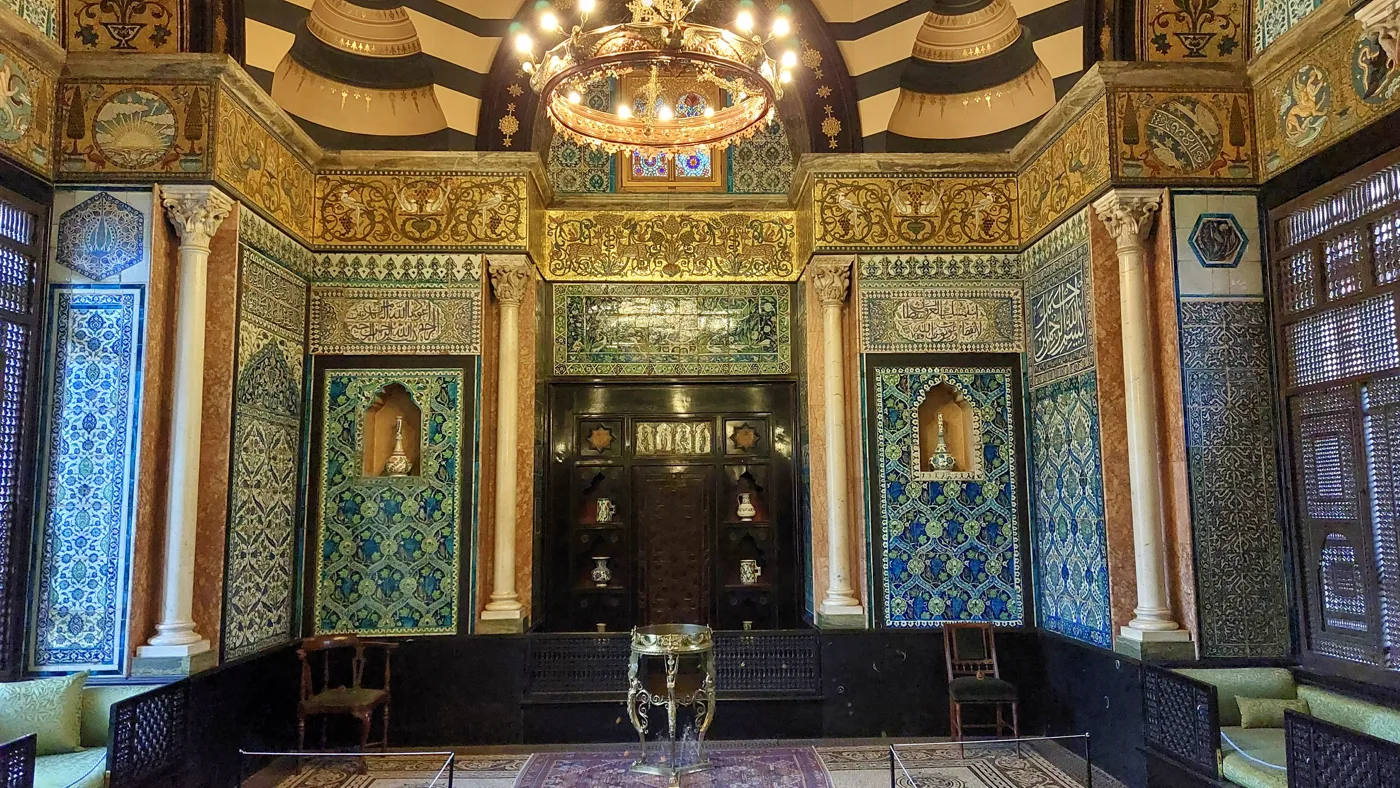
Maximalist interior design is not “more stuff”. Done well, it is a room packed with colour, pattern and things you love that still feels calm enough to sit in, because every layer has been chosen to talk to the others. Done badly, it is clutter with a mood board. The difference is a handful of rules that designers follow almost without thinking, and this page sets them out.
It is the natural opposite of our minimalist interior design page, and the two share more than you would expect: both depend on planning, both punish impulse buying, and both look best in good light.
What maximalism actually is
Maximalism layers colour, pattern, texture and collected objects so that a room tells you about the person who lives in it. There is no single look. A Victorian-inspired drawing room drenched in deep green with William Morris prints is maximalist. So is a bright, pattern-clashing flat full of 1970s glass and modern art. What they share:
- Saturated colour, often on every surface including the ceiling.
- Several patterns in one room, at different scales.
- Texture: velvet, fringing, rattan, lacquer, tiles, rugs layered on rugs.
- Collections on display, not hidden away.
- A sense of the owner: nothing feels bought as a set.
London has some of the best maximalist rooms in the world open to the public, and visiting them teaches more than any photograph. Sir John Soane’s Museum in Lincoln’s Inn Fields is the house of an architect who displayed thousands of objects in rooms that still feel ordered. Leighton House in Holland Park has the tiled Arab Hall, a lesson in how far one colour family can be pushed. For a modern take, Kit Kemp’s interiors for Firmdale Hotels, Ham Yard in Soho among them, show pattern-on-pattern done with restraint, and Martin Brudnizki’s 2018 redesign of Annabel’s in Berkeley Square shows the theatrical end of the style.
The eight rules
| Rule | What it means | What goes wrong without it |
|---|---|---|
| 1. One colour thread | Pick one or two colours that appear in every pattern and paint | Patterns that fight because they share nothing |
| 2. Vary pattern scale | One large, one medium, one small pattern per area | Three busy prints of the same size merge into noise |
| 3. Drench, do not dot | Walls, woodwork and ceiling in one colour family | A bold wall next to white skirting looks unfinished |
| 4. Ground it | A darker floor, rug or lower wall gives the eye a base | The room feels like it is floating |
| 5. Leave some rest | A plain sofa, a calm ceiling or a run of plain wall | Nowhere for the eye to land |
| 6. Group collections | Objects in clusters of a theme, colour or material | Things scattered singly read as clutter |
| 7. Storage still matters | Closed cupboards for the everyday mess | Real clutter mixes with the display and spoils it |
| 8. Light in layers | Lamps, picture lights and wall lights at different heights | Deep colours go flat and gloomy under one ceiling light |
1. The colour thread holds everything together
This is the rule that separates maximalism from chaos. Choose a thread, say a deep red and an olive green, and make sure it appears in the wallpaper, the curtain fabric, the rug and at least one painted surface. Every pattern you add after that should contain at least one of the thread colours. The patterns can then clash in style, florals against stripes against geometrics, and still look intended.
2. Mix pattern by scale, not by type
A large-scale wallpaper or curtain, a mid-scale cushion or chair fabric and a small-scale print or texture on a lampshade or trim give a room depth. Three large patterns side by side compete. Three small ones blur into a single grainy texture from across the room.
3. Colour drenching makes bold colour look deliberate
Painting walls, skirting, doors, radiators and even the ceiling the same colour, or close shades of it, is the single most effective maximalist move. It makes a small room feel wrapped rather than cramped, and it makes everything you place in the room stand out. It works especially well in hallways and downstairs loos, where you pass through rather than sit for hours. Use a durable finish on woodwork and radiators, and ask the paint maker which of its finishes suits each surface.
4 and 5. Ground the room, and give the eye somewhere to rest
Deep colour on a floor or a large rug anchors a busy room. Then hold one thing back. A plain velvet sofa against patterned walls, or a calm painted ceiling above them, stops the room tiring you out. Experienced maximalists edit as much as minimalists do; they just edit towards a different result.
6. Display collections in groups
A gallery wall works when the frames or the subjects share something, and a shelf of objects works when they are grouped by colour, material or theme. Twenty unrelated ornaments spread evenly around a room is what most people mean by clutter. The same twenty, grouped into three clusters, is a collection.
7. Hide the everyday
Maximalist rooms still need cupboards. The chargers, post, toys and bags have nowhere to hide among the display, and they ruin it. Built-in joinery, painted to match the walls, is how designers solve this in London’s narrow Victorian terraces.
8. Light it properly
Saturated colours absorb light. A dark green or deep red room lit by one central pendant looks muddy at night. Plan for table and floor lamps, picture lights over art, wall lights and warm-white bulbs, so the room glows rather than goes flat.
Where maximalism works best in a London home
Period houses. Victorian and Edwardian rooms have the cornicing, ceiling roses, picture rails and fireplaces that maximalism loves. Our classic and traditional interior design page covers restoring those details, which give a layered scheme its frame.
Small rooms. Counter-intuitively, maximalism can suit small spaces better than minimalism. A tiny study, cloakroom or box room drenched in colour and pattern feels like a jewel box; the same room in white just feels small.
Flats with plain modern shells. Wallpaper, a large rug and strong textiles can add the character a new-build lacks without structural work.
Where to be careful: open-plan kitchen-living spaces. Pattern across one large space can be overwhelming. Zone it instead: a drenched snug corner, a patterned dining wall and a calmer kitchen. Our open-plan kitchen living room ideas page covers zoning.
Materials and makers to look at
London and British firms have shaped the look for over a century:
- Wallpaper and fabric: Morris & Co (the William Morris archive designs), Cole & Son, House of Hackney, and Liberty’s printed fabrics.
- Hand-painted wallpaper: de Gournay, for the chinoiserie and scenic panels seen in many high-end London schemes.
- Paint for drenching: most premium British paint makers publish colour-drenching advice and matching finishes for walls, wood and metal.
None of these are cheap, and a maximalist scheme can be built far more economically. One statement wallpaper in a small room, vintage and second-hand furniture, reupholstered chairs and charity-shop frames get you most of the way. Collecting over time is the authentic route anyway.
Starting your own scheme
- Pick one room, ideally a small one: a hallway, cloakroom or study.
- Choose a hero pattern you love: a wallpaper, a rug or a fabric. Pull your colour thread from it.
- Drench the walls and woodwork in a colour from that thread.
- Add two more patterns at different scales, each containing a thread colour.
- Edit: take one thing out, then live with it before adding more.
A designer earns their fee on exactly this kind of scheme, because the editing is the hard part. Mood boards and samples, covered in our mood boards and 3D visuals guide, let you test combinations before anything is ordered. If you want help, see how to hire an interior designer in London and what it costs in 2026.
Frequently asked questions
What is maximalist interior design? A style that layers bold colour, several patterns, rich textures and collected objects in one room. It differs from clutter because everything is tied together by a shared colour thread and arranged with care.
How do you make maximalism not look cluttered? Use a consistent colour thread across every pattern, vary the scale of patterns, group objects into collections, keep closed storage for everyday items and leave at least one calm surface for the eye to rest on.
Does maximalism work in a small room? Often better than minimalism. A small room drenched in one colour family with a strong wallpaper feels cosy and deliberate, while the same room painted white simply looks small.
What colours work best for a maximalist room? Deep, saturated colours such as forest green, oxblood, ochre, navy and aubergine are common because they make a strong backdrop. Bright schemes work too; what matters is a consistent colour thread.
Is maximalism going out of style? Maximalism is a way of decorating rather than a single trend, and it has deep roots in British interiors from the Victorians onwards. Specific prints come and go, but rooms built around things the owner loves tend to date more slowly than trend-led schemes.
Can you mix maximalism with other styles? Yes. Maximalism pairs well with traditional and mid-century furniture, and many designers mix the two. See our mid-century modern interiors page for pieces that hold their own against strong pattern.
Sources
- Sir John Soane’s Museum, Lincoln’s Inn Fields, London.
- Leighton House, Royal Borough of Kensington and Chelsea museums.
- Dezeen, “Annabel’s by Martin Brudnizki”, 13 April 2018.
The Folio
Want more like this in your inbox?
One considered idea for your London home, every Thursday.
SubscribeMore from KDS London
All guides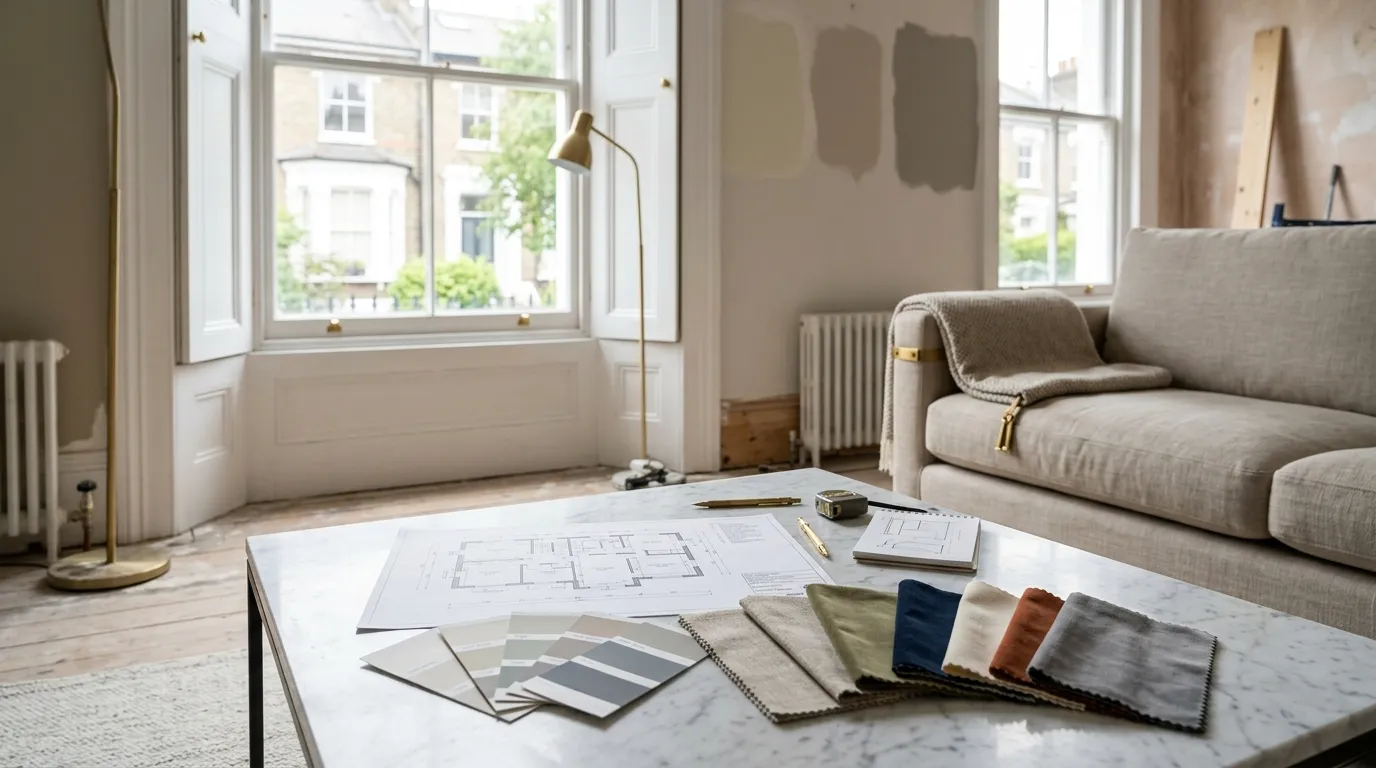
How Much Does an Interior Designer Cost in London in 2026?
What interior designers charge in London in 2026: hourly rates, day rates, per-room fees and percentage models, with real figures and what each one buys you.
Read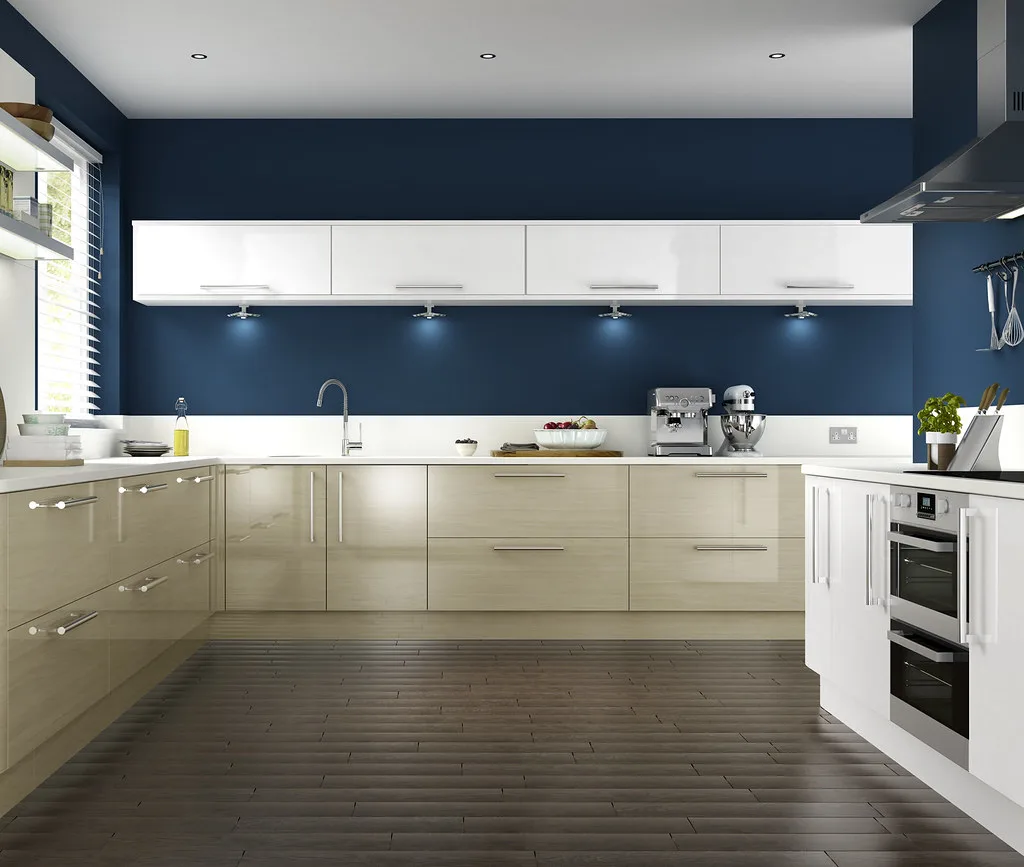
Navy Kitchen Ideas: Blue, Teal and Cobalt Cabinet Designs
Navy kitchen ideas that work: the best blue cabinet shades, worktop and hardware pairings, and how to use navy, teal and cobalt without dating the room.
Read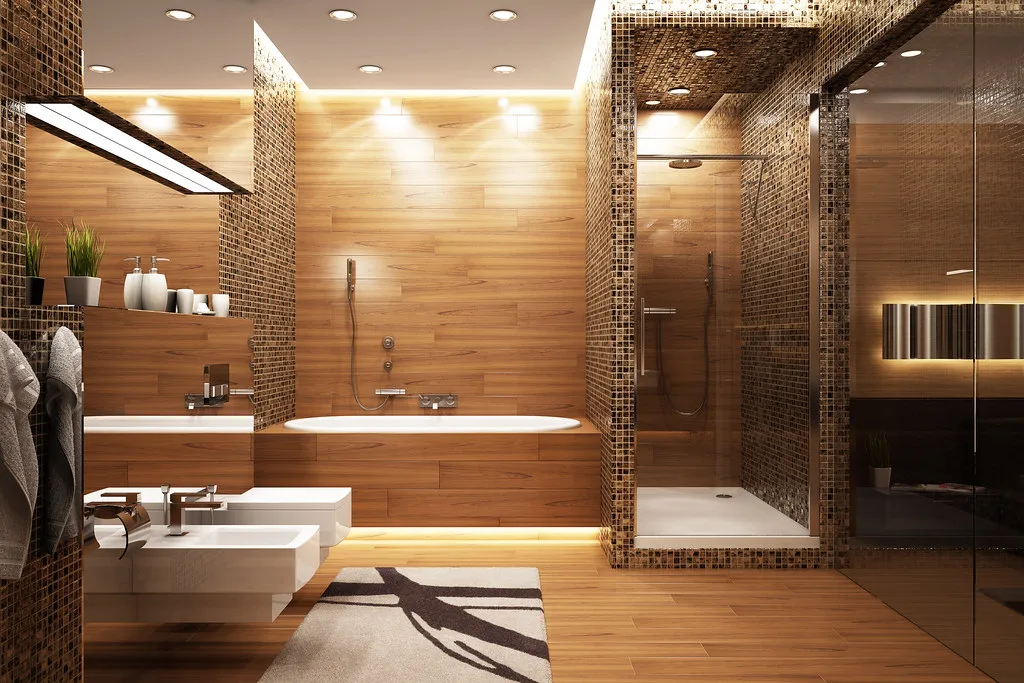
Gold and Brass Bathroom Accessories: How to Style Warm Metallics
How to choose and style gold bathroom accessories and brass fittings, from brushed vs polished finishes to mixing metals and avoiding tarnish.
Read