Traditional Interior Design: 7 Rules for London Period Homes
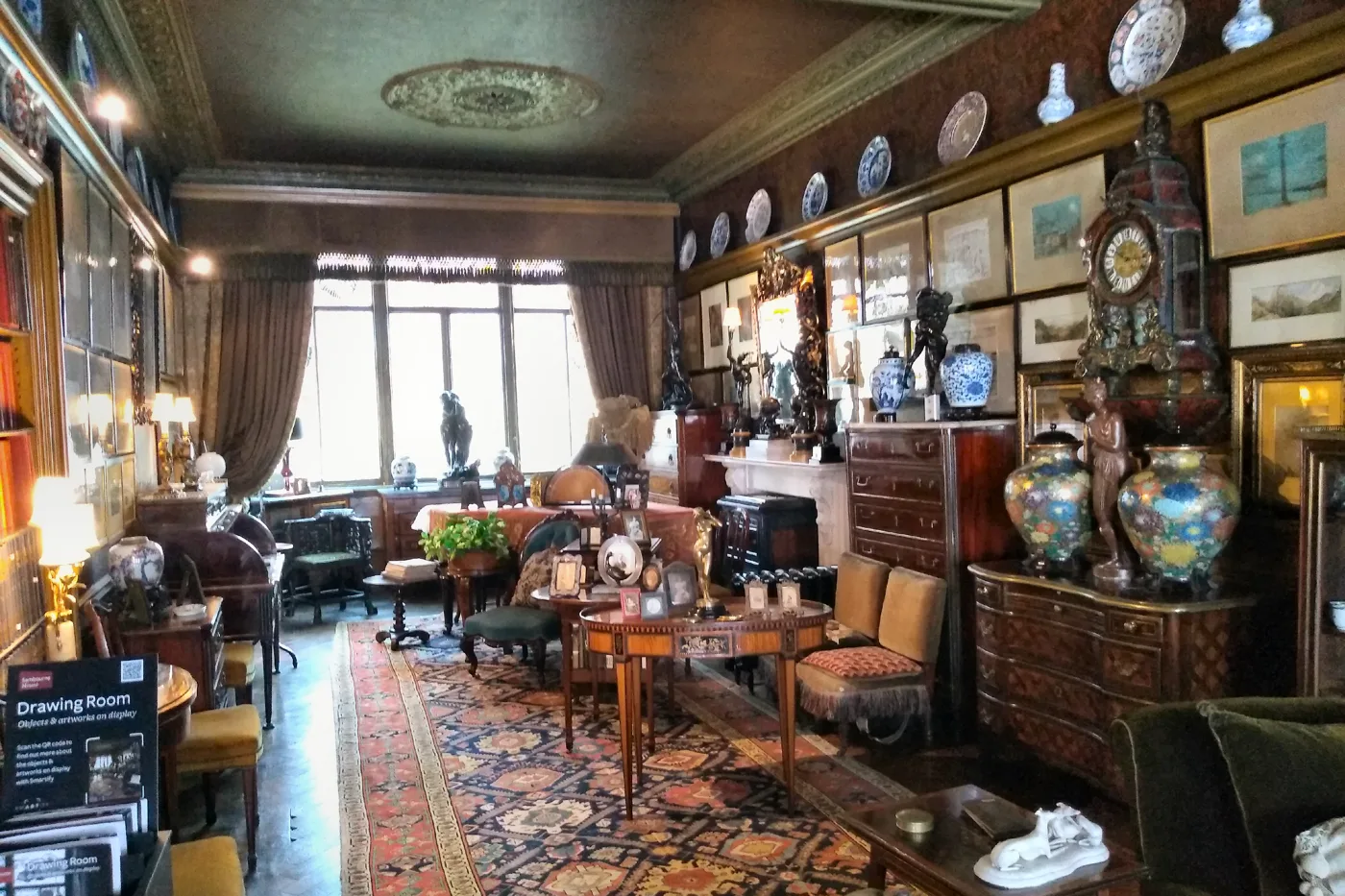
Traditional interior design works best in the houses it grew up in, and London has thousands of them: Georgian squares, Victorian terraces, Edwardian semis and red-brick mansion blocks. The style is not about buying antiques or filling rooms with chintz. It is a set of rules about proportion, symmetry, ornament and comfort that make a period room feel settled rather than staged. Get those rules right and you can mix in a modern sofa or a new kitchen without the room losing its character.
This page sets out the seven rules, how they change from a Georgian townhouse to a Victorian terrace, which paints and materials suit each, and the legal trap that catches owners of listed houses.
Classic, traditional and transitional: what each word means
The three words get used interchangeably. They are not quite the same, and it helps to know which you mean before you brief a designer.
- Classic usually means the architectural language of Greek and Roman building as the Georgians used it: columns, pediments, symmetry, restrained mouldings. It is the calmest of the three.
- Traditional is broader. It covers the layered, comfortable rooms of the 18th and 19th centuries: panelling, upholstered furniture, pattern, polished wood and collected objects. Most British “traditional” rooms are Victorian or Edwardian in spirit.
- Transitional sits between traditional and contemporary: period architecture with simpler furniture, fewer patterns and a lighter palette. It is how most London period homes are actually decorated now.
Our overview of interior design styles places these alongside a dozen other looks, and our page on contemporary interior design covers the other end of the scale.
The seven rules of traditional interior design
1. Start from the architecture. The cornice, ceiling rose, skirting, fireplace and sash windows are the style. Repair them before you buy anything. A room with its original plasterwork and a sofa from a high street shop looks more traditional than a stripped room full of antiques.
2. Build around a focal point, usually the fireplace. Traditional rooms are arranged, not scattered. Put the main seating facing or flanking the chimney breast, with a mirror or painting centred above it.
3. Use symmetry, then break it once. Pairs of lamps, chairs, alcove cupboards and wall lights give the room its calm. One deliberate exception, such as a single armchair angled to the window, stops it looking like a hotel.
4. Respect the three heights. Period rooms are divided by skirting, dado or picture rail and cornice. Painting each zone in a related shade, or papering between dado and picture rail, gives tall rooms a human scale.
5. Layer pattern at three scales. One large pattern (a rug or curtains), one medium (a cushion or chair fabric) and one small (a stripe or check), all sharing a colour. This is the difference between a layered room and a busy one.
6. Choose wood, brass, linen, wool and velvet over gloss. Traditional rooms are matt and warm. Polished brown furniture, aged brass, painted timber and natural fabrics age well; high-gloss lacquer and chrome read as contemporary.
7. Light at several levels. A single central pendant flattens period plasterwork. Use table lamps, picture lights and wall lights at eye height, with the ceiling light kept for cleaning. Our living room with fireplace page covers lighting a chimney-breast wall.
How traditional design changes with your house
Georgian townhouse (about 1714 to 1830)
Georgian rooms are about proportion. Keep furniture lighter in scale, with slim legs, and the palette restrained: stone, putty, off-white and muted greens and blues. Floor-length curtains hung from just below the cornice make the most of tall sash windows. Avoid heavy Victorian clutter, which fights the clean geometry.
Victorian terrace (1837 to 1901)
London’s most common period house can take colour, pattern and dark wood. Encaustic or geometric hall tiles, deep skirtings and a cast-iron or marble fireplace set the tone. Rich, deeper colours suit the front reception room, often north-facing in a terrace, better than pale greys, which turn cold. Our Victorian bathroom ideas and roll-top bath ideas carry the look upstairs.
Edwardian house (1901 to about 1910)
Edwardian houses are lighter and wider, with bigger windows and simpler mouldings. They suit softer colours, painted furniture and a little more air between pieces. This is where traditional and transitional meet most easily.
Mansion flat (late Victorian to 1930s)
Red-brick mansion blocks in Marylebone, Maida Vale, Battersea and elsewhere have high ceilings and generous rooms but long corridors and darker halls. Treat the reception rooms traditionally, and use the corridor for a run of pictures with picture lights rather than leaving it as a dim passage.
A traditional colour palette
Paint makers that specialise in historic colours make this easy. A few real Farrow & Ball shades that suit London period rooms, as starting points to test on your own walls:
| Room or element | Colour | Why it works |
|---|---|---|
| Georgian drawing room | Lime White No.1 or Setting Plaster No.231 | Soft, warm whites and plaster pinks that suit restrained plasterwork |
| Victorian reception room | Card Room Green No.79 or Pigeon No.25 | Muted greens and blue-greys that hold up in north light |
| Study, dining room or snug | Hague Blue No.30 | A deep blue that makes a small room feel enclosed and warm |
| Dining room with panelling | Dead Salmon No.28 | A faded pink-brown with a historic feel |
| Front door, railings, skirtings | Railings No.31 | A blue-black, softer than pure black |
Always paint large sample boards and look at them morning and evening. North-facing London rooms push every colour cooler. If you need a paint that copes with steam in a period bathroom, see our best bathroom paint round-up.
Furniture, fabric and the kitchen
You do not need antiques. A traditional room usually has one or two good older pieces, such as a chest of drawers, a bureau or a pair of chairs, set among comfortable modern upholstery in traditional shapes: a Chesterfield, a camel-back or a deep-seated sofa with turned legs. Antique and vintage furniture also tends to be cheaper than new furniture of the same quality, so it can save money.
The kitchen is where traditional design has to work hardest. In-frame Shaker cabinets, a range cooker, a Belfast sink and a dresser carry the style without fighting modern appliances. Our traditional kitchen design and Shaker kitchen pages go into the detail, including a freestanding kitchen dresser.
The mistakes that make a period room look wrong
- Ripping out features to “modernise”. Fireplaces, cornices and panelled doors are expensive to put back and rarely look right when copied. Restore first.
- Recessed downlights in a decorative ceiling. They cut through the plaster and wash out the cornice.
- Furniture against every wall. Pull seating into a group around the fireplace, with a rug that anchors it.
- Mismatched replacement mouldings. A cornice profile from a catalogue that does not match the period is obvious. Specialist plasterers can run a matching profile from a surviving section.
- Uniform grey. Cool greys flatten period detail. Warmer, slightly dirtier colours suit old plaster.
Listed buildings: get consent before you touch the interior
Many London period homes are listed, and listing covers the inside as well as the outside. Under the Planning (Listed Buildings and Conservation Areas) Act 1990, you need listed building consent for any work that would affect the building’s character, which can include removing or replacing a fireplace, a cornice, panelling, doors or a staircase. Carrying out such work without consent is a criminal offence under section 9 of the same Act, and the council can require you to reverse it.
Conservation areas are different: they mainly control the outside of a building, although some councils add Article 4 directions that cover details such as front doors and windows. Check with your council’s conservation officer before any work. Our page on planning permission for interior design covers what does and does not need approval, and a designer experienced with period homes will usually handle the consent application.
See it in person
The best way to understand a London traditional interior is to stand in one. Sambourne House at 18 Stafford Terrace in Kensington is a Victorian terraced house, not a palace, decorated by the cartoonist Edward Linley Sambourne and his wife Marion after they bought the lease in 1875. The interiors remain much as the family left them, and the scale is close to many London terraces today.
Getting help
A full traditional scheme, with restored plasterwork, joinery and made-to-measure curtains, is one of the more involved projects a designer takes on. Our guides to interior designer costs in London and how to hire an interior designer in London explain what to expect, and our page on writing an interior design brief helps you describe the look you want.
Frequently asked questions
What is traditional interior design? A style based on 18th and 19th century British and European rooms: symmetry, period mouldings and fireplaces, polished wood, pattern and comfortable upholstery. In London it usually means working with a Georgian, Victorian or Edwardian house rather than against it.
What is the difference between classic and traditional interior design? Classic leans on Georgian and classical architecture: symmetry, columns and restraint. Traditional is broader and more layered, taking in Victorian and Edwardian comfort, pattern and collected objects.
Can you mix traditional and modern furniture? Yes. That mix is called transitional design and is how most period homes are decorated today. Keep the architecture traditional and the furniture simpler, and repeat one or two colours or materials so the old and new pieces relate.
What colours suit a traditional interior? Warm, slightly muted colours: soft whites, plaster pinks, greens, blue-greys and deep blues. Farrow & Ball’s Lime White, Card Room Green, Pigeon and Hague Blue are common starting points, but test them in your own light.
Do I need permission to remove a fireplace in a listed house? Almost certainly. Listing covers interiors, and removing a historic fireplace usually needs listed building consent. Doing it without consent is a criminal offence, so speak to your council’s conservation officer first.
Is traditional interior design expensive? It can be, because restoring plasterwork and joinery takes skilled trades. But vintage furniture is often cheaper than new pieces of the same quality, and keeping original features costs less than replacing them.
The Folio
Want more like this in your inbox?
One considered idea for your London home, every Thursday.
SubscribeMore from KDS London
All guides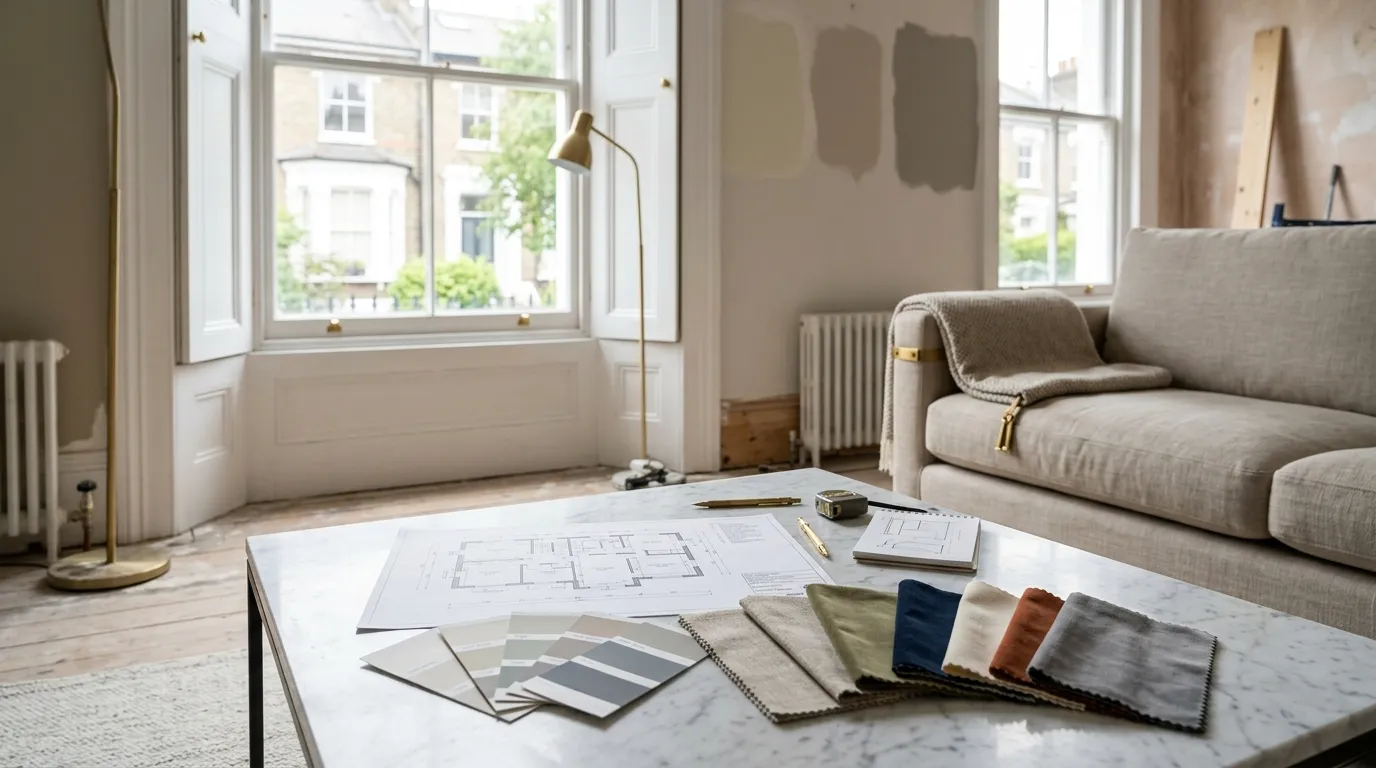
How Much Does an Interior Designer Cost in London in 2026?
What interior designers charge in London in 2026: hourly rates, day rates, per-room fees and percentage models, with real figures and what each one buys you.
Read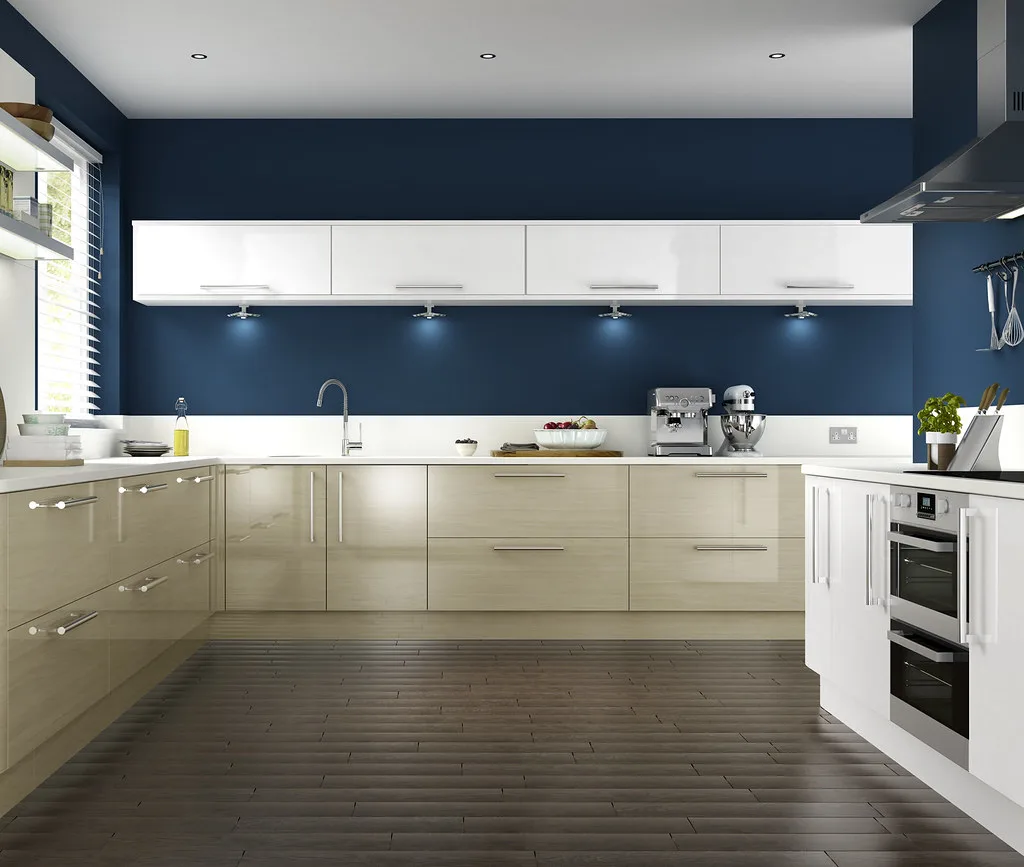
Navy Kitchen Ideas: Blue, Teal and Cobalt Cabinet Designs
Navy kitchen ideas that work: the best blue cabinet shades, worktop and hardware pairings, and how to use navy, teal and cobalt without dating the room.
Read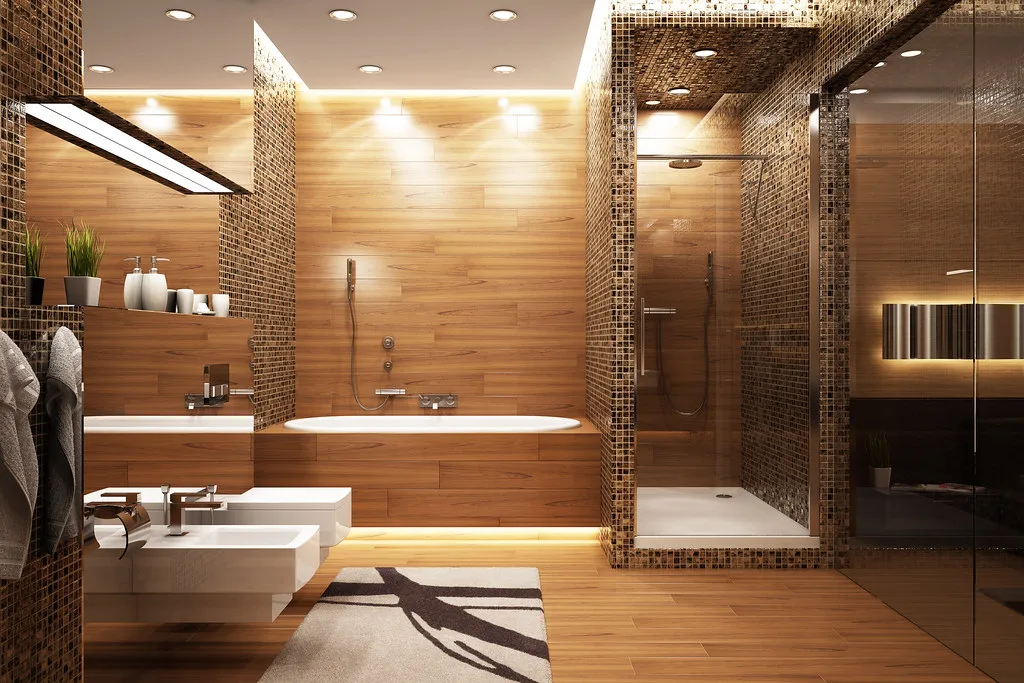
Gold and Brass Bathroom Accessories: How to Style Warm Metallics
How to choose and style gold bathroom accessories and brass fittings, from brushed vs polished finishes to mixing metals and avoiding tarnish.
Read