Contemporary Interior Design: 6 Rules for a London Home
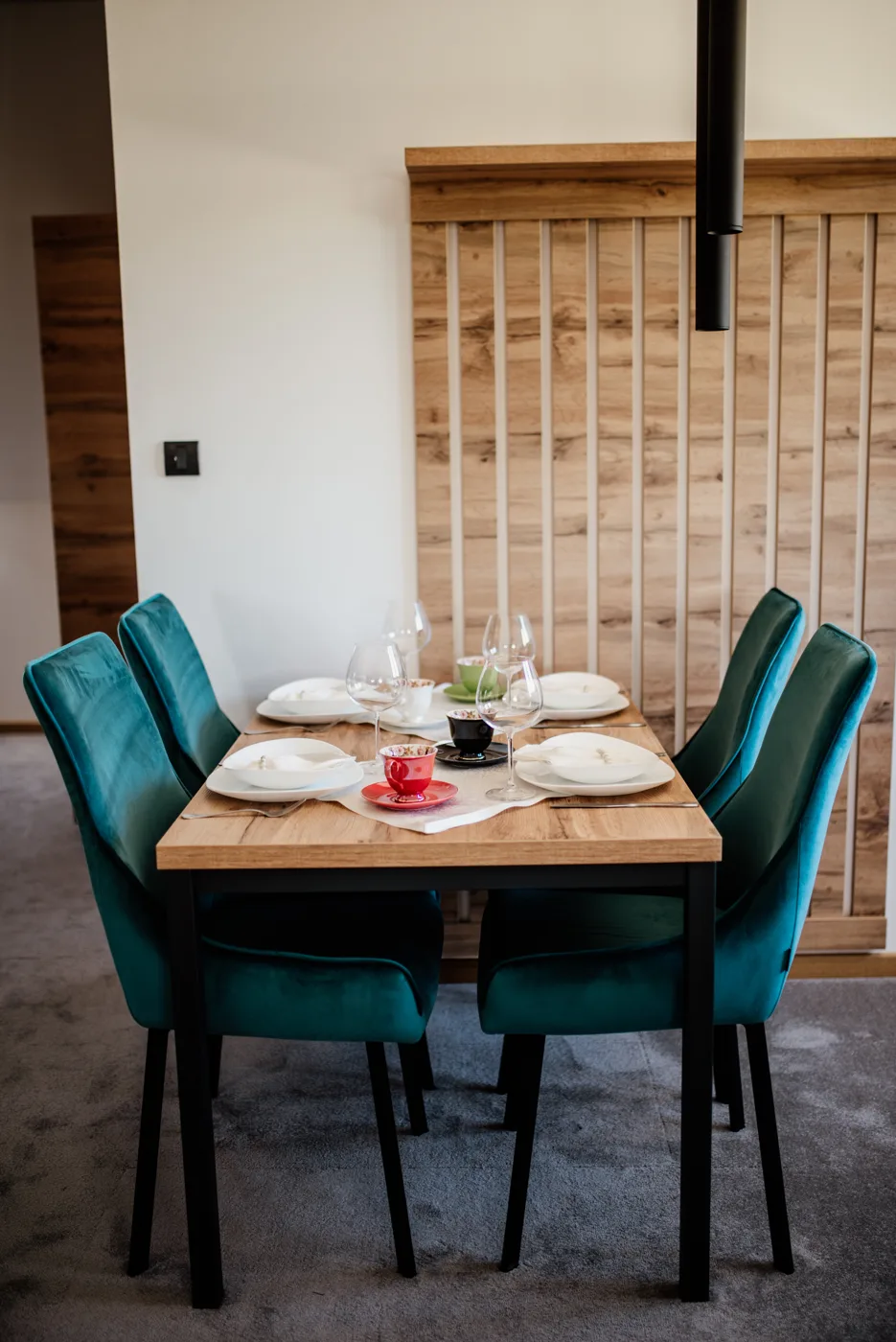
Contemporary interior design is the design of the present moment, which is why it is hard to pin down. Fifteen years ago a contemporary London flat meant grey gloss kitchens, chrome, white walls and a feature wallpaper. Today the same word describes warm off-white walls, oak and walnut, soft curved upholstery, textured plaster, stone and a lot less stuff. The label stayed; the look moved on.
That is the first useful thing to know when you brief a designer: “contemporary” alone tells them almost nothing. This page sets out what contemporary means in 2026, the rules that hold it together, how it differs from modern and minimalist, and how to make it work in the houses London actually has, from a Victorian terrace to a 2010s new-build flat.
Contemporary versus modern
People use the two words as if they were the same. They are not.
- Modern is a historical movement, roughly the early to mid 20th century: Bauhaus, the International Style and mid-century design. Function first, little ornament, steel, glass and plywood. It is fixed; a modern chair from 1955 is still modern.
- Contemporary is whatever current design looks like, so it keeps changing. It borrows freely, including from modernism, but is not bound to it.
In practice, today’s contemporary rooms are softer and warmer than strict modernism: more curves, more texture, more natural material. Our wider overview of interior design styles sets the two side by side with a dozen other looks.
The six rules of a contemporary room
| Element | Contemporary does | Contemporary avoids |
|---|---|---|
| Colour | Warm whites, putty, stone, clay, with one deep accent (green, ink, oxblood) | Cold grey everywhere, bright white with chrome |
| Shape | Clean lines on joinery, soft curves on furniture | Fussy mouldings added from scratch, heavy turned legs |
| Materials | Oak, walnut, stone, microcement, lime plaster, brushed metal | High gloss, faux finishes, plastic laminates that pretend to be stone |
| Texture | Boucle, wool, linen, fluted timber, honed stone | One flat surface after another |
| Storage | Built-in, full-height, flush or with simple pulls | Freestanding units filling every wall |
| Objects | Few, large, chosen: one artwork, one sculptural lamp | Shelves of small accessories |
The rule underneath all six is restraint with warmth. A contemporary room has less in it than a traditional one, but every surface has some texture or grain so it does not feel clinical.
A contemporary paint palette
Walls are rarely brilliant white now. A warm off-white gives timber and stone something to sit against and stops a north-facing London room going blue-grey in the afternoon. Some Farrow & Ball colours that suit the look:
- Wimborne White No. 239, a soft warm white that works on walls and ceilings together.
- School House White No. 291, a slightly deeper, creamier white for south-facing rooms.
- Strong White No. 2001, the cooler end, for a room with plenty of warm daylight.
- Elephant’s Breath No. 229, a warm mid grey-brown for a whole room or joinery.
- London Clay No. 244, a deep brown for a study, a snug or a kitchen island.
- Railings No. 31, a soft black-blue for window frames, internal glazing or a front door.
Other brands carry close equivalents. Paint large samples on two walls and look at them morning and evening before you decide. Our kitchen colour ideas page goes into how light direction changes a colour.
Furniture and joinery
Furniture. Low, deep sofas with rounded arms; a curved or pill-shaped coffee table; dining chairs in solid timber or with a simple upholstered seat. One or two sculptural pieces carry the room, so spend there and keep the rest quiet.
Joinery. This is where a contemporary scheme is won or lost in a London home. Full-height alcove cupboards, a bench seat in a bay window, a slim media wall: built in, painted the wall colour or finished in timber veneer, and running to the ceiling so the room reads as one calm volume. Freestanding storage breaks that up.
Kitchens. Flat-fronted or slim-shaker doors, handleless or with a simple bar or knurled pull, a stone or quartz worktop with a honed finish, and timber somewhere to warm it up. Our modern kitchen design ideas and handleless kitchen pages cover layouts and costs.
Lighting
Contemporary rooms rely on layered light rather than a grid of downlights. Aim for three layers: background (a few well-placed downlights or a cove strip), task (over worktops, desks and reading chairs) and accent (a picture light, a lit alcove shelf, one sculptural pendant). Warm white, around 2700K, keeps stone and plaster from looking cold. Our room lighting calculator gives the lumens a room needs.
New circuits, or lighting in a bathroom or kitchen, may be notifiable electrical work under the Building Regulations. Your electrician should be registered with a competent person scheme and will tell you if it is; the rules are in Approved Document P on GOV.UK.
Contemporary in a London period home
Most London houses were not built for this look, and the best results do not pretend they were.
Victorian and Edwardian terraces. Keep the cornicing, ceiling roses, sash windows and fireplaces; they give a contemporary scheme its character. Paint the mouldings the same colour as the walls so they read as texture rather than ornament. Put the contemporary weight into furniture, lighting and a well-made rear kitchen extension. A pared-back room with original features left intact sits close to what designers call transitional.
Mansion flats. High ceilings and generous rooms suit large sculptural lighting and one big artwork. Keep doors, architraves and parquet; change the bathroom and kitchen.
Listed buildings. Internal alterations to a listed building, including removing fireplaces, panelling or partitions, usually need listed building consent. Our planning permission for interior design page explains when consent is and is not needed.
New-build flats. The opposite problem: no character to work with. Add it through materials, such as a fluted timber panel, lime plaster on one wall, a stone-topped island, and through good joinery to hide the clutter that small flats collect.
Contemporary against the styles it gets confused with
- Minimalism: stricter. Fewer objects, harder surfaces, often white and gloss. Contemporary keeps the restraint but adds warmth and texture.
- Japandi: a specific blend of Japanese and Scandinavian design, with lower furniture and two-tone timber. Many contemporary rooms borrow from it. See our Japandi interior design page.
- Modern organic: close to today’s contemporary, with even more curves, boucle and travertine. Think of it as one current strand of contemporary.
- Transitional: classic proportions and comfortable upholstery with simpler detailing. Often the honest answer in a period house.
Briefing a designer for a contemporary scheme
Because the word is so loose, give your designer pictures and specifics: the three rooms you like and what you like in each, the materials you want to touch every day, the colours you never want to see, and what has to be hidden (bikes, toys, work papers). Our guide to writing an interior design brief has a template. If grey is the thing you are trying to leave behind, our 2026 trends page has the survey data on what is replacing it.
Frequently asked questions
What is contemporary interior design? It is the design style of the present day, so its look changes over time. In 2026 that means warm neutral colours, clean-lined joinery, soft curved furniture, natural materials such as oak, stone and plaster, and fewer objects.
What is the difference between modern and contemporary interior design? Modern refers to a fixed historical movement from roughly the early to mid 20th century. Contemporary means current design, which borrows from many sources and keeps evolving. Today’s contemporary is warmer and softer than classic modernism.
Is contemporary design the same as minimalist? No. Minimalism is stricter, with fewer objects and harder, often white surfaces. Contemporary shares the restraint but uses more texture, timber and colour so the room feels lived in.
What colours suit a contemporary room? Warm whites and off-whites, stone, putty and clay, with one deeper accent such as dark green, ink blue or brown. Brilliant white with chrome and cold grey everywhere now read as dated.
Can a Victorian house have a contemporary interior? Yes. Keep the original features and paint mouldings in the wall colour, then make the furniture, lighting, kitchen and bathrooms contemporary. If the house is listed, check whether changes need listed building consent first.
Will a contemporary interior date quickly? Any current look will date eventually, because contemporary by definition follows the present. The parts that last are good joinery, natural materials and a calm colour scheme; the parts that date fastest are trend colours on large surfaces and statement wallpaper.
Sources
- Farrow & Ball colour pages for Wimborne White, School House White, Strong White, Elephant’s Breath, London Clay and Railings, checked 8 October 2026.
- GOV.UK, Approved Document P: electrical safety in dwellings.
The Folio
Want more like this in your inbox?
One considered idea for your London home, every Thursday.
SubscribeMore from KDS London
All guides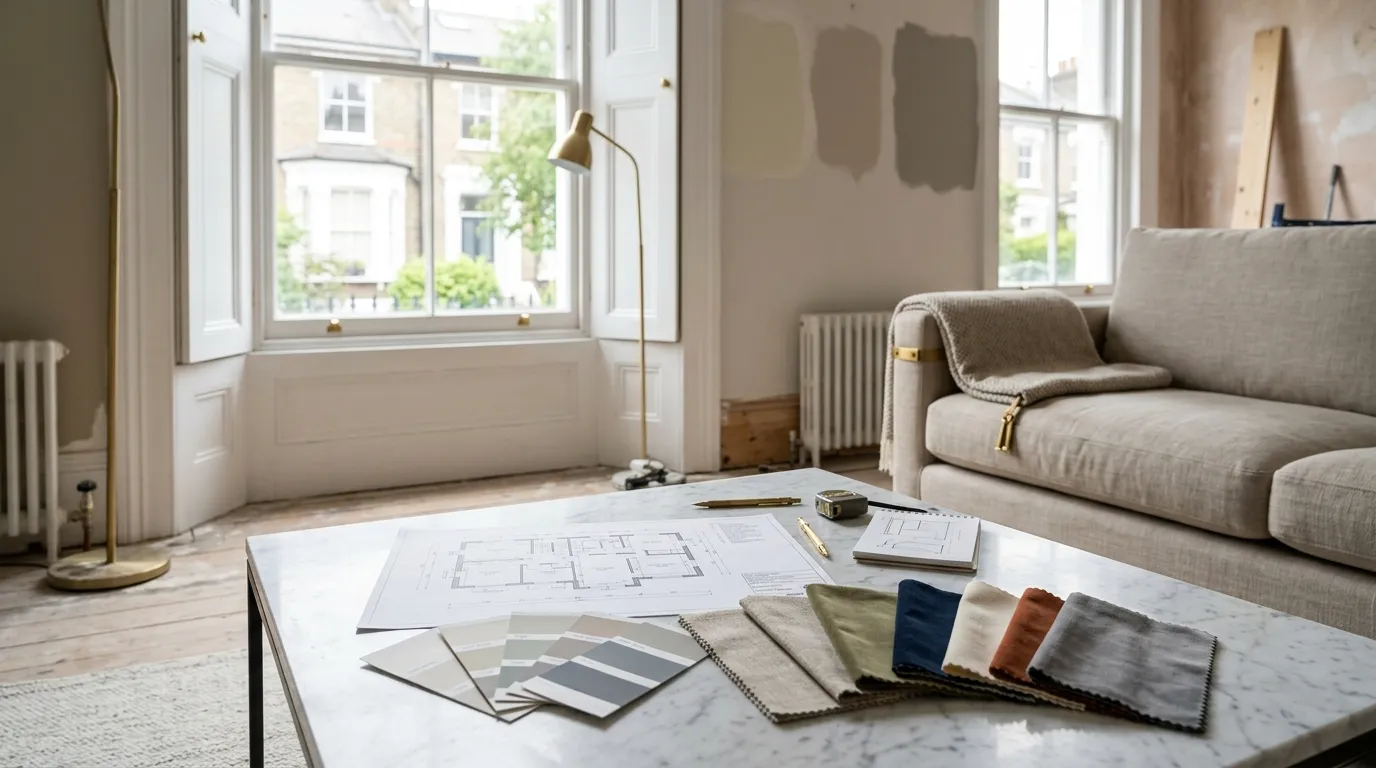
How Much Does an Interior Designer Cost in London in 2026?
What interior designers charge in London in 2026: hourly rates, day rates, per-room fees and percentage models, with real figures and what each one buys you.
Read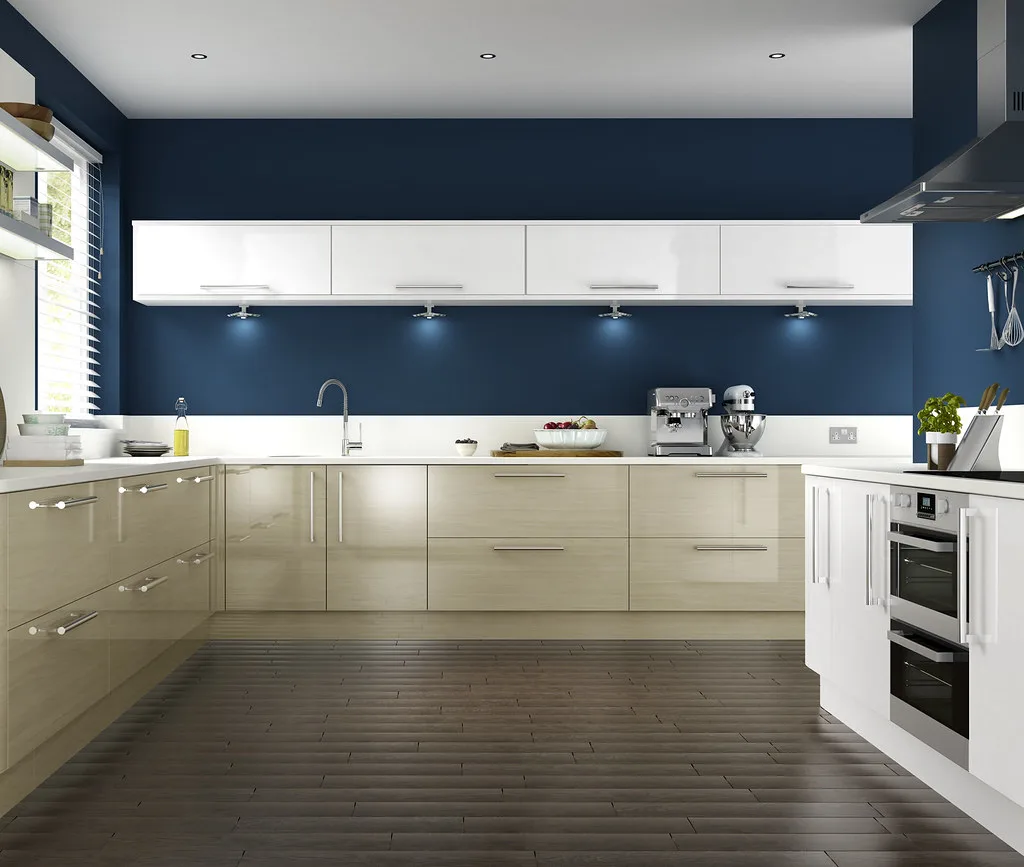
Navy Kitchen Ideas: Blue, Teal and Cobalt Cabinet Designs
Navy kitchen ideas that work: the best blue cabinet shades, worktop and hardware pairings, and how to use navy, teal and cobalt without dating the room.
Read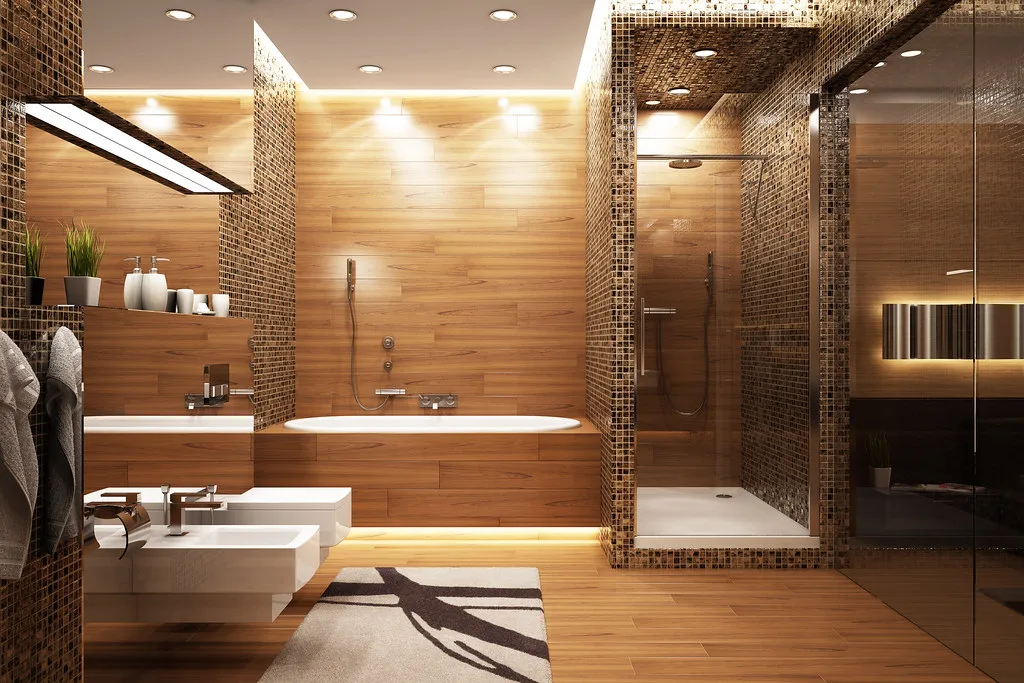
Gold and Brass Bathroom Accessories: How to Style Warm Metallics
How to choose and style gold bathroom accessories and brass fittings, from brushed vs polished finishes to mixing metals and avoiding tarnish.
Read