Find Your Interior Design Style: 8-Question Quiz
Most people who say they cannot find your interior design style, or rather their own, already have one. They just have not noticed the pattern yet. It shows up in the jumper they reach for, the café they keep going back to and the hotel room they photographed on holiday. This page gives you a short quiz to put a name to that pattern, then three tests to check the answer before you spend money on it.
A name matters for a practical reason. When you brief a designer, a kitchen showroom or a decorator, “warm minimal with some mid-century pieces” saves an hour of pointing at pictures. It also stops you buying a sofa that fights everything else you own.
The quiz: eight questions, six styles
Pick the answer closest to your gut reaction. Do not think about what you have now or what you can afford; think about what you would choose if both were taken care of. Note the letter each time.
1. You walk into a hotel room and instantly like it. What is it like? - A. Almost empty: pale walls, one good chair, nothing on the surfaces. - B. Layered and colourful: patterned wallpaper, velvet, art everywhere. - C. Calm and natural: low wooden bed, linen, a paper lamp, muted greens and greys. - D. Warm wood and curved lines: a teak sideboard, a globe light, mustard and olive accents. - E. Panelled walls, a fireplace, an antique chest, deep comfortable armchairs. - F. Clean and current: a large grey sofa, a statement light, crisp black and white.
2. Which material would you most like to touch every day? - A. Smooth white plaster or polished concrete. - B. Velvet, fringing or hand-painted tiles. - C. Raw oak, stone and handmade ceramics. - D. Teak, walnut and moulded plywood. - E. Old oak, brass and well-worn leather. - F. Glass, lacquer and brushed metal.
3. How do you feel about the things you have collected over the years? - A. I would rather keep most of it out of sight. - B. I want it on display, all of it. - C. A few meaningful objects, with space around them. - D. Some favourite pieces of vintage furniture and design. - E. Family pieces and antiques give a room its soul. - F. A few smart accessories; the rest in cupboards.
4. Pick a colour scheme. - A. White, off-white, stone. - B. Jewel tones: emerald, sapphire, deep pink, ochre. - C. Earth tones: clay, sand, sage, charcoal. - D. Mustard, burnt orange, olive and warm wood. - E. Heritage colours: deep green, oxblood, soft cream. - F. Greys, black, white with one bold accent.
5. Which London building or room do you most enjoy? - A. A white-walled gallery like the Serpentine. - B. Sir John Soane’s Museum, every inch filled. - C. The calm of the Kyoto Garden in Holland Park. - D. The Barbican or a 1960s Span estate. - E. A Georgian townhouse in Islington or Kensington. - F. A new glass-fronted apartment block on the river.
6. Your ideal sofa? - A. Low, simple, pale, no cushions. - B. Deep-coloured velvet with a heap of patterned cushions. - C. Low and wide, natural linen, wooden frame showing. - D. Slim legs, button back, in tan leather or tweed. - E. A Chesterfield or a deep, skirted country sofa. - F. A large modular corner sofa.
7. What annoys you most in a room? - A. Clutter. - B. Beige. - C. Anything shiny or plastic. - D. Big, bulky furniture. - E. Rooms that feel like a showroom. - F. Rooms that feel dated.
8. Pick a weekend. - A. Tidying, then reading in a quiet room. - B. Flea markets and a gallery opening. - C. A long walk, then cooking slowly at home. - D. Hunting for a vintage chair on a design fair stall. - E. A country auction and a pub with a fire. - F. Trying a new restaurant that has just opened.
Your result
Count your letters. The most common one is your lead style; a close second tells you how to soften it.
| Mostly | Your style | Read next |
|---|---|---|
| A | Minimalist | Minimalist interior design |
| B | Maximalist | Maximalist interior design |
| C | Japandi | Japandi interior design |
| D | Mid-century modern | Mid-century modern interiors |
| E | Classic traditional | Classic and traditional interior design |
| F | Contemporary | Contemporary interior design |
For a wider tour of the main looks before you settle, see our interior design styles overview.
How to read a split result
Very few people score six of one letter. The split is usually more useful than the winner, because it is the brief.
- A and C (minimalist and Japandi). You want calm, but warm. Keep the restraint, swap white for warm off-whites and add oak, linen and stone.
- C and D (Japandi and mid-century). Natural materials and good vintage furniture. A teak sideboard on a pale oak floor with linen curtains is your room.
- D and E (mid-century and traditional). A period house with some 1960s pieces in it. This mix works well in London’s Victorian terraces because the furniture is lighter than the architecture.
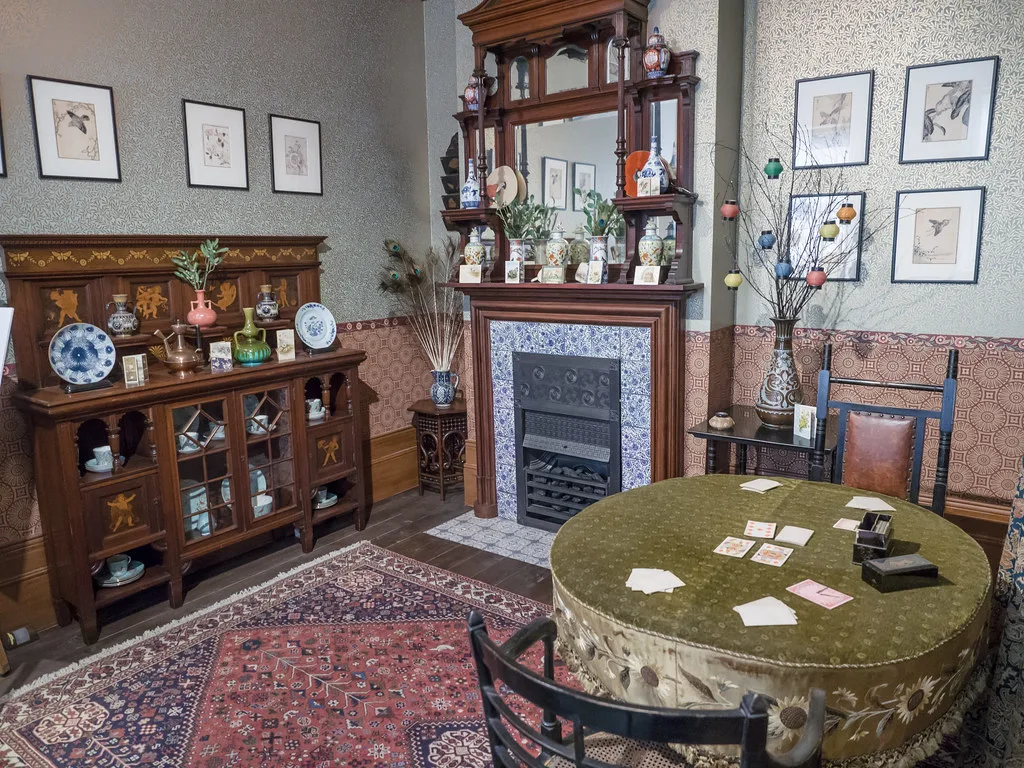
- B and E (maximalist and traditional). Pattern and heritage colour, antiques and art. Think William Morris rather than neon.
- A and F (minimalist and contemporary). Sleek and pared back. The risk is a cold room, so plan texture: a wool rug, timber, a lit alcove.
- B and F (maximalist and contemporary). Bold, modern colour and statement pieces. Pick one hero per room so it does not tip into a showroom.
If your answers are spread across four or more letters, you probably like an eclectic mix, which is a real style, not a failure to choose. It needs one constant to hold it together: a repeated colour, a single wood tone or one type of metal throughout.
Three tests before you spend money
A quiz gives you a label. These checks tell you whether you will still like it in five years.
1. Build a 20-image board, then look for repeats
Save at least 20 room images you like without thinking about style names. Then lay them out together and look for what repeats: wood tone, ceiling height, amount of pattern, how much is on display. The repeats are your style. Images that do not fit the others are things you admire but probably would not want to live with. Our page on mood boards and 3D visuals explains how designers use the same exercise.
2. Visit one real room
Photographs flatter. Rooms tell the truth about scale, light and how a style feels after ten minutes. London lets you walk into most of these styles, much of it free:
- The Rooms Through Time galleries at the Museum of the Home in Hoxton show four centuries of London living rooms, from a hall furnished as it might have looked in 1630 to rooms imagining the future, and entry is free.
- Sir John Soane’s Museum in Lincoln’s Inn Fields is the clearest lesson in ordered maximalism you will find.
- The Barbican’s public spaces and conservatory show mid-century and Brutalist materials at full scale.
If a room you loved in pictures makes you uncomfortable in person, that is worth knowing now.
3. Do the five-year test
For each item on your board, ask: would I still want this in 2031? Trend pieces (this year’s colour, a novelty light) fail the test and are better kept to cushions, prints and paint, which are cheap to change. Things that pass are the core of your style and deserve the money: flooring, kitchen, sofa, joinery.
Your home has a vote too
Your style has to work with the building you live in. That does not mean a Victorian terrace must be traditional, but it does change the approach.
- Period houses (Georgian, Victorian, Edwardian) carry cornicing, fireplaces and sash windows. Contemporary and minimalist schemes work, but keep the original features; stripping them out usually lowers value and the result rarely looks right.
- Mansion blocks and 1930s flats suit mid-century and Art Deco touches because the proportions fit them.
- New-build flats with low ceilings and big windows are easiest to make contemporary, minimalist or Japandi. Heavy traditional furniture tends to crowd them.
- Listed buildings limit what you can change; our planning permission and interior design page covers the consents.
When to bring in a designer
If your result is a split you cannot picture, or your partner scored completely differently, a short consultation is often the cheapest way through. A designer’s job in the first meeting is to listen for the pattern and turn two sets of tastes into one brief. Our first interior design consultation page explains what happens and what to bring, and the interior design budget planner helps you set a figure before you start.
Bring your 20-image board and your quiz result. It will make the meeting faster and the scheme closer to what you want.
Frequently asked questions
How do I find my interior design style? Answer a short set of questions about rooms, materials and colours you are drawn to, then test the result. Build a board of at least 20 images, look for what repeats, and visit at least one real room in the style before buying anything expensive.
What if I like more than one style? That is normal. Two styles together is usually the most accurate brief, for example Japandi with mid-century furniture. If you like four or more, you have an eclectic style, which needs one constant such as a single wood tone or colour to hold it together.
Can my style be different in each room? It can, but rooms that flow into each other should share something: a floor, a colour family or a metal finish. Bedrooms and studies can go further from the main style than a through living space.
What is the most timeless interior design style? Classic traditional and mid-century modern have both lasted for decades. In practice, timelessness comes from good materials and proportions more than a label, so put the money into flooring, joinery and the sofa, and keep trends to paint and soft furnishings.
Do I need to know my style before hiring an interior designer? No. Many people hire a designer partly to work it out. Arriving with a quiz result and a board of images you like will shorten the process and keep the first meeting focused.
How do two people with different tastes agree on a style? Each person builds their own board, then you look for overlap in colour, materials and amount of stuff on display. The overlap is your starting point, and each person gets one room or one area where their taste leads.
The Folio
Want more like this in your inbox?
One considered idea for your London home, every Thursday.
SubscribeMore from KDS London
All guides
How Much Does an Interior Designer Cost in London in 2026?
What interior designers charge in London in 2026: hourly rates, day rates, per-room fees and percentage models, with real figures and what each one buys you.
Read
Navy Kitchen Ideas: Blue, Teal and Cobalt Cabinet Designs
Navy kitchen ideas that work: the best blue cabinet shades, worktop and hardware pairings, and how to use navy, teal and cobalt without dating the room.
Read
Gold and Brass Bathroom Accessories: How to Style Warm Metallics
How to choose and style gold bathroom accessories and brass fittings, from brushed vs polished finishes to mixing metals and avoiding tarnish.
Read